


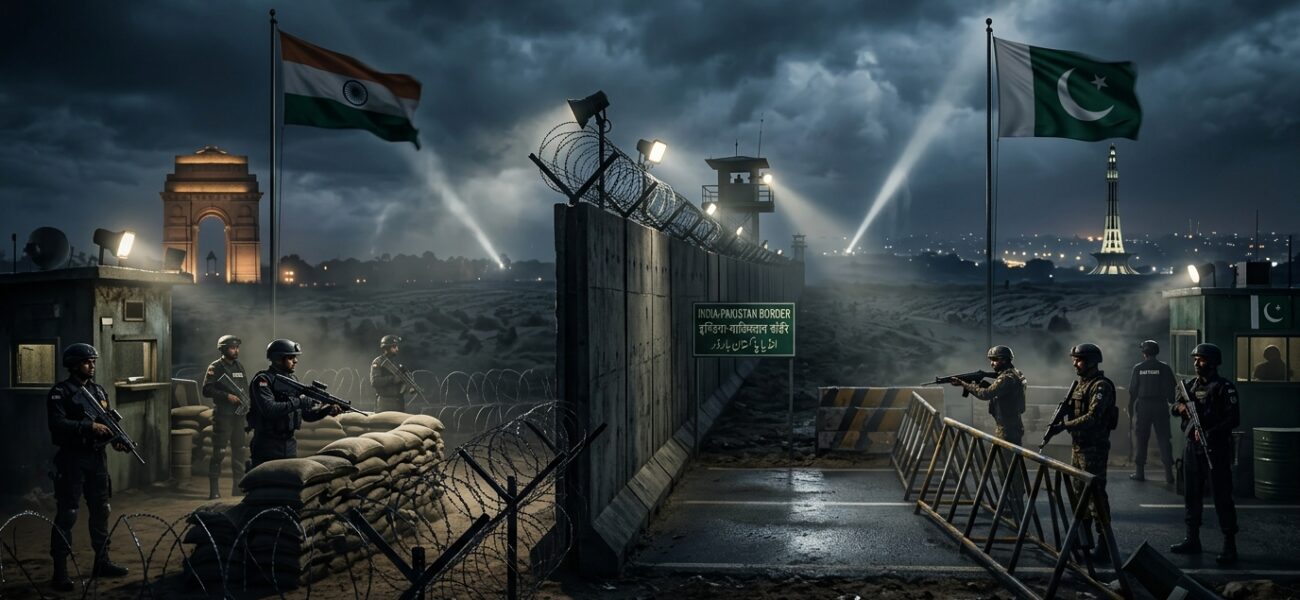

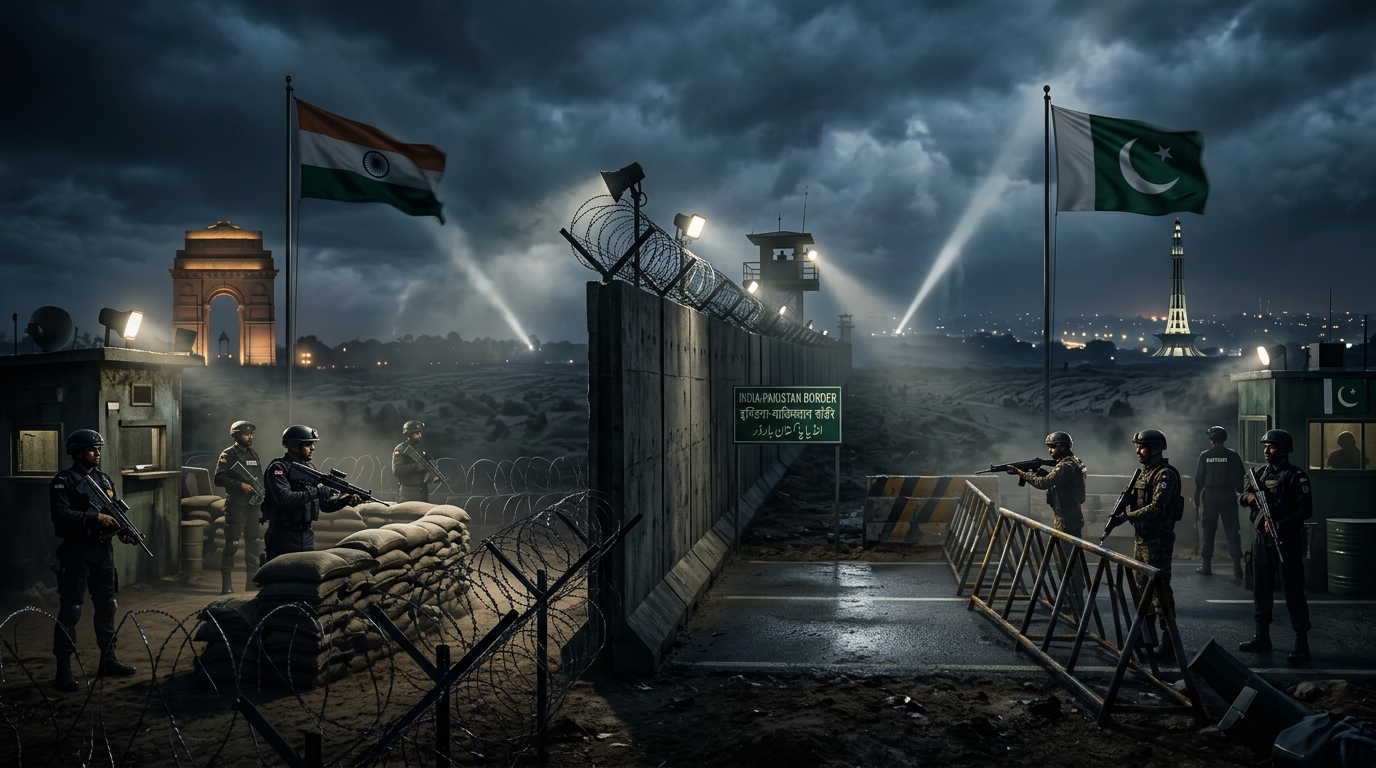
A timeline running from Kargil to Pahalgam that automatically arrives at “Pakistan sponsors terror” only works if Pakistan’s own bloodshed is deliberately excluded from the frame. Pakistan is not observing the region’s terrorism crisis from the sidelines; it is among its primary victims, absorbing one of the world’s highest terrorism burdens while simultaneously being reduced in international discourse to a caricature convenient for India’s narrative. The Global Terrorism Index 2026, published by the Institute for Economics and Peace, ranks Pakistan first among 163 countries for the first time in the index’s history, recording 1,139 terrorism deaths and 1,045 attacks in 2025, the highest toll since 2013, and the sixth consecutive year of increase. Hostage-taking alone jumped from 101 victims in 2024 to 655 in 2025, driven largely by the Jaffar Express hijacking, in which 442 passengers were taken hostage in a single incident. Khyber Pakhtunkhwa and Balochistan absorbed roughly three-quarters of that violence between them.
The Source Behind the Numbers
Much of Pakistan’s bloodshed and counterterrorism burden to the TTP and the BLA, underscoring that Pakistan remains one of terrorism’s primary victims. The TTP’s resurgence accelerated after the Afghan Taliban’s return to Kabul, which reopened sanctuary and operational space across the Pak-Afghan border and intensified Pakistan’s security burden.
The BLA’s escalation has likewise deepened Pakistan’s internal security challenges and sharpened tensions with India, with Pakistani officials repeatedly raising concerns over external backing and regional interference surrounding separatist violence.
The clearest anchor Pakistan points to remains the case of Kulbhushan Jadhav, a serving Indian naval officer arrested in Balochistan in 2016 and later convicted by a Pakistani military court on charges of espionage, sabotage, and terrorism-related activity. Pakistani authorities publicly released a confession in which Jadhav described links to Baloch militant networks, funding and operations connected to India’s Research and Analysis Wing (RAW).
For Pakistan, the episode remains central to its argument that external involvement in Balochistan is not merely rhetorical or speculative but tied to a case Islamabad continues to present as evidence of state-linked covert activity.
Who Actually Breaks the Dialogue
India consistently chose violence over dialogue. The historical record is far more complicated. India itself repeatedly stepped away from diplomatic engagement following major security incidents, responding not only militarily but by suspending or downgrading bilateral mechanisms altogether.
📄 POLICY WIRE WHITEPAPER PUBLISHED: PAKISTAN'S NATIONAL SECURITY POLICY PRIORITIES
👉 READ BY CLICKING HEREAfter the September 2016 Uri attack, India launched “surgical strikes” across the Line of Control and hardened its diplomatic posture. Following Pulwama in February 2019, New Delhi escalated further with the Balakot strike, downgraded relations, and revoked Pakistan’s most-favored-nation trade status. These were not acts of sustained dialogue; they were deliberate departures from it.
The clearest recent example lies within the very dispute already under discussion elsewhere in this piece. India’s 2025 decision to place the Indus Waters Treaty in abeyance was itself a unilateral move outside the treaty’s own dispute-resolution framework. India has repeatedly chosen escalation, suspension, and unilateral action when it suited its strategic calculus.
Addressing the false accusations linking Pakistan to the Pahalgam attack, security officials noted that India’s far larger and more developed film and media industry gives it a structural advantage in constructing and exporting narratives that Pakistan does not have the same platform to counter. That is precisely what a timeline like the one being answered here represents: a narrative built on a curated set of false facts, not a complete record.
The issue is the framework through which they are presented: one that records Indian casualties in detail while largely erasing Pakistan’s own losses from the picture in which India itself chose suspension, escalation, or unilateral disengagement.
| Year | Data point | Note |
| 2016 | Uri attack, followed by India’s unilateral surgical strikes | India ends dialogue, not Pakistan |
| 2019 | Pulwama, followed by Balakot strikes, MFN revocation, diplomatic downgrade | Same pattern, larger scale |
| 2025 | Pahalgam attack, followed by India’s unilateral IWT suspension | Outside any treaty mechanism |
| 2016-ongoing | Kulbhushan Jadhav: military court conviction, confession on RAW-BLA funding | India’s Backing of BLA-Linked Violence |
| 2026 | Pakistan ranks #1 on Global Terrorism Index | Pakistan is among its primary victims, absorbing one of the world’s highest terrorism burdens |
Author


