

Spurs’ Donovan Hire: Johnson’s Job Security at Risk
After an NBA Finals run, Spurs coach Mitch Johnson faces job uncertainty. The team's hire of Billy Donovan as assistant sparks fears of a coaching coup. Read why.

POLICY WIRE — San Antonio, USA — It’s a funny old world, ain’t it? One minute, you’re guiding your team through a bruising season, logging an impressive 62-20 record during the regular season, and then you claw your way all the way to the NBA Finals. The next? You’re essentially staring down the barrel of a management decision that’s got everyone — and I mean everyone — convinced your chair’s about to get cold. Such is the bizarre, cutthroat reality Mitch Johnson, first-full-season head coach of the San Antonio Spurs, finds himself navigating, even after a performance that, by almost any metric, warrants applause, not quiet anxiety.
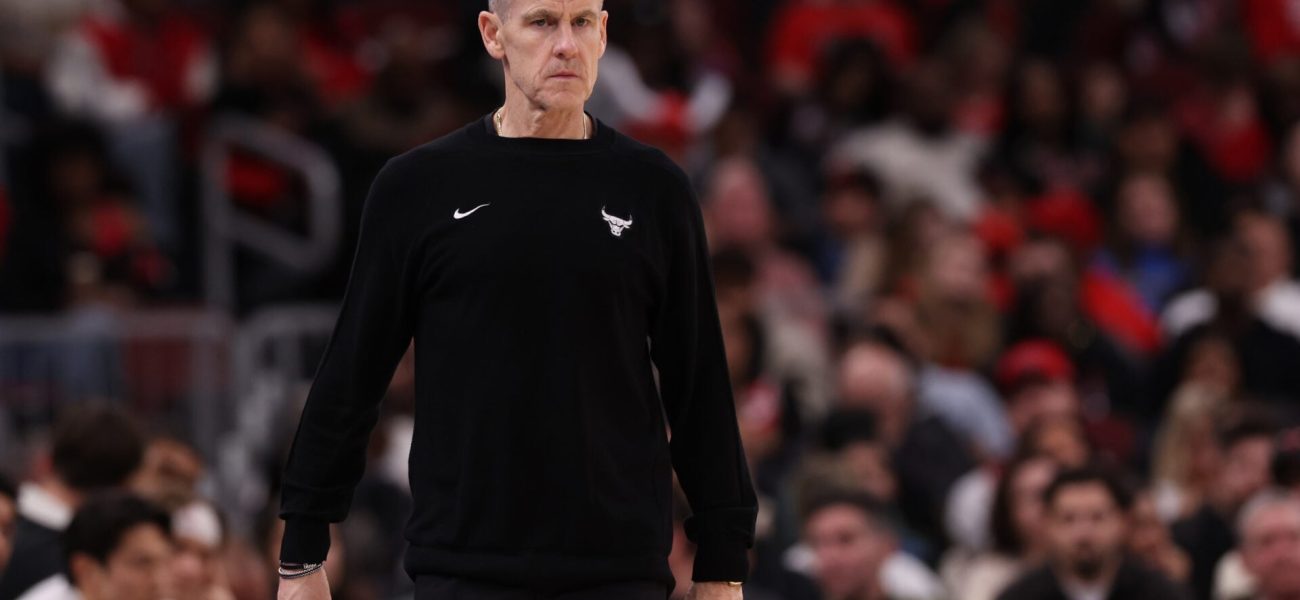
No, this isn’t some backroom coup in a fledgling democracy, though the undercurrents sure feel familiar. This is professional basketball. After a painful 4-1 series defeat in the NBA Finals at the hands of the New York Knicks, the San Antonio Spurs have started preparing for the new NBA season. You’d think the brass would be celebrating their relatively new coach for punching so far above expectations. Instead, they’ve gone and dropped a tactical nuclear bomb in the coaching staff’s lap: bringing in Billy Donovan as the team’s lead assistant coach.
Donovan, not some fresh-faced newbie, but a seasoned hand who spent six seasons as the head coach of the Chicago Bulls. Now he’s the number two guy. A move like that, well, it sends a particular signal, doesn’t it? It’s not about making a coaching staff ‘stronger’; it’s about a contingency plan walking onto the practice court, shaking your hand with a smile that says, [QUOTE_PLACEHOLDER] The sheer audacity of it all— it’s enough to make a seasoned observer wince.
And folks online, bless their collective, sharp-eyed hearts, they weren’t buying the benign narrative for a second. The immediate chatter was less about an upgrade — and more about an existential threat to Johnson. One particularly blunt observer on a prominent sports forum articulated it perfectly: [QUOTE_PLACEHOLDER] Another, embracing the dramatic flair of a poet, quipped, “Mitch got one foot in the grave and the other foot on a banana peel.” Brutal, but probably not inaccurate.
It’s not hard to connect these dots. When you hire someone of Donovan’s caliber — a man who only just now was a head coach for a considerable franchise — as a mere assistant for the runners-up of the 2026 NBA Championship, you’re not just getting an extra pair of eyes. You’re installing a direct successor, or at the very least, a relentless, unspoken pressure. Someone, it’s pretty clear, is gunning for that top spot. As another fan sagely observed, [QUOTE_PLACEHOLDER] And because everyone can read the writing on the wall, it became quite plain, [QUOTE_PLACEHOLDER] Someone even ventured, [QUOTE_PLACEHOLDER] That’s quick work, wouldn’t you say? Especially for a guy who just led a team to the brink of a championship.
It’s almost a political play, if you think about it. You’ve got a leader, performing well enough, perhaps even exceeding expectations, but the hierarchy decides they need a ‘stronger’ option waiting in the wings. It’s a dynamic not unfamiliar in regions where power structures are fluid, where alliances shift and perceived loyalty can be ephemeral. You see similar high-stakes, public personnel maneuverings even in, say, Islamabad’s corridors of power, where a sudden transfer or a prominent appointment often signifies more than just administrative reshuffling. The undercurrents of ambition and succession planning in top-tier sports often mirror the cutthroat reality of political landscapes globally, including in places like Pakistan, where the stakes might involve national policy, not just a basketball trophy, but the pressure to deliver is eerily similar.
The Spurs haven’t made any major roster changes outside of adding Tobias Harris, but the coaching department’s been dealt a shake-up that feels more impactful than any player trade. It’s a stark reminder: in elite performance environments, success doesn’t always buy security. Sometimes, it just raises the bar — and lowers your grace period.
What This Means
From an organizational perspective, this move signals a profound impatience within the Spurs’ upper echelon, a sort of Silicon Valley ‘move fast and break things’ mentality applied to personnel. The traditional stability associated with Spurs culture under Gregg Popovich seems to be eroding; success now has an expiration date faster than ever. For Mitch Johnson, it creates an untenable, high-stress environment, where every loss will be viewed through the lens of Donovan waiting. Economically, this can breed short-term, risk-averse decision-making, as leaders prioritize self-preservation over long-term strategic investments. Teams often chase the next shiny object, often to their detriment. Politically, this reflects the modern paradigm where loyalty is less valued than immediate, often superficial, gains. You don’t get second chances to cement your legacy; you have to win now, or the successor is already on deck. It suggests an increasingly volatile employment landscape, even for those at the top of their game. It’s not about making a product, it’s about making a statement—or perhaps just buying time. The market’s brutal. And for some, it’s just getting started.