


US Pilot Killed in Papua: Crisis Escalates
Papuan separatists claim a US pilot was killed, escalating the conflict. Jakarta's silence raises international scrutiny on the crisis and US involvement.

POLICY WIRE — Jakarta, Indonesia — Sometimes, the quiet hum of distant conflict breaks with a sudden, jarring chord. The latest involves reports from Indonesia’s restive Papua region, where separatist fighters are making an unsettling claim: they’ve taken down a US national—a pilot, no less—who was ferrying Indonesian forces into a combat zone. It’s not just a statistic; it’s a flashpoint, raising hackles and complicating Jakarta’s already delicate regional ballet. Nobody expected *this*.
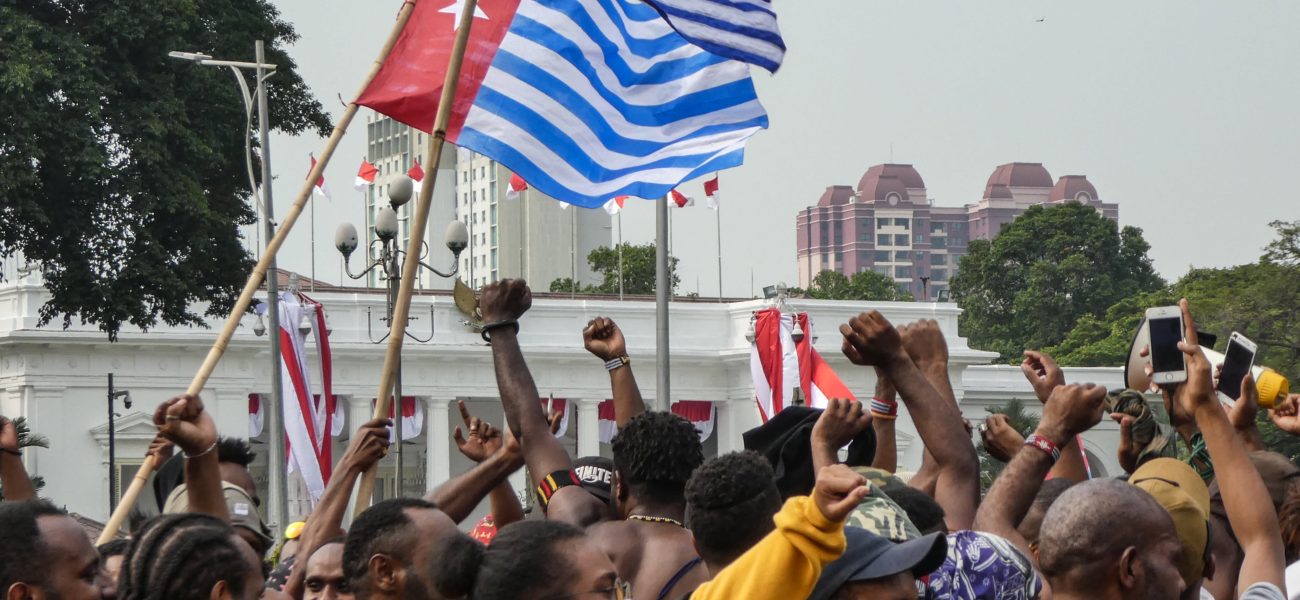
It’s a nasty piece of news, really. The Free Papua Movement (OPM), through its military wing, the West Papua National Liberation Army (TPNPB), recently circulated communiques asserting responsibility. They maintain that a foreign pilot, an American by their account, was killed during an ambush on an aircraft carrying Indonesian troops. The immediate ripple? International attention, of course, thrust upon a decades-long struggle often relegated to the diplomatic sidelines. And you’ve gotta wonder, what exactly were these troops doing?
Indonesia, predictably, hasn’t exactly rushed to clarify. The official stance often defaults to a practiced vagueness, treating the Papua situation as an internal affair, a sovereignty issue. But an alleged American casualty in that tangled mess? That changes the calculus, drawing Washington — a key partner and arms supplier — into the fray whether it likes it or not. The details, as often happens in these situations, are murky, like trying to see through a smoke-filled room. What’s indisputable is the claim: Papua separatists claim to have shot dead a US pilot who transported Indonesian troops. It’s a bold statement, to be sure, — and one with potentially massive ramifications.
The history here, if you’re not well-versed, is long — and bloody. Papua was integrated into Indonesia in the late 1960s, a move critics still call an unlawful occupation, especially given the disputed ‘Act of Free Choice’ referendum. Since then, the indigenous Papuan population has faced what many human rights groups describe as systemic abuses. A January 2024 report from Amnesty International, for instance, documented at least 46 cases of alleged unlawful killings by Indonesian security forces in Papua between 2010 and 2022, often with little accountability. So, this isn’t just some isolated skirmish; it’s a symptom of deeper structural grievances.
The presence of an American pilot, if confirmed, throws a real wrench into Indonesia’s narrative. Foreign involvement in transporting military personnel could suggest a broader, perhaps even covert, entanglement than officially acknowledged. It’s one thing to have foreign economic interests in the vast natural resources of Papua; it’s quite another to have foreign personnel reportedly involved in direct military support operations against a separatist movement. That opens up a whole different can of worms.
And let’s talk regional implications for a minute. Across the wider Muslim world, conflicts involving indigenous groups, self-determination, and accusations of state-sponsored repression often resonate deeply. From the Moro insurgency in the Philippines to Balochistan’s persistent struggles in Pakistan, there’s a shared historical empathy for populations feeling marginalized or subjugated by dominant states. These groups, often ethnic — and religious minorities, look for solidarity. News of foreign intervention, even indirectly, against a largely Christian Papuan population, could still elicit a surprising degree of attention, especially if it fuels narratives of larger power plays dictating fates of smaller peoples. Islamabad’s foreign office, I’ll tell you, probably has folks quietly watching this, gauging how global powers navigate internal sovereignty claims versus humanitarian concerns.
But Washington’s got its own tightrope to walk. It wants Indonesia as a strategic ally in Southeast Asia, a counterweight to rising Chinese influence. Yet, the US also maintains a commitment to human rights—at least on paper. An American citizen dying while supporting Indonesian military operations in a disputed, conflict-ridden territory puts President Biden’s administration in a tough spot. It makes America look complicit, you know?
And that’s the brutal truth: if the claim holds, this isn’t just a localized tragedy; it’s a crack in the veneer of regional stability. Jakarta’s quiet insistence that [QUOTE_PLACEHOLDER] isn’t going to fly with an alleged US casualty. This forces uncomfortable conversations. Policy makers in capitals from Canberra to Washington will be trying to piece together precisely what transpired. Because when a distant war pulls a global power’s citizen into its grim maw, things stop being distant fast. You’ve gotta pay attention.
What This Means
The asserted death of a US pilot in Papua changes the political geometry of this entrenched conflict dramatically. For Jakarta, it means heightened international scrutiny on its conduct in Papua, particularly regarding its human rights record and military operations. It severely undermines their long-held narrative of Papua as solely an internal domestic matter. Expect intensified diplomatic pressure from Western nations, who can’t easily ignore a citizen’s death under such circumstances—even if an initial attempt is made to downplay it. We might even see a temporary curtailment of military aid or cooperation, or at least a public re-evaluation, from partners like the US and Australia.
Economically, persistent instability in Papua is bad news for investment, especially in the resource-rich but highly sensitive mining and forestry sectors. The region already struggles to attract transparent foreign investment due to security concerns and ethical questions about land rights and indigenous exploitation. An international incident like this only exacerbates that, potentially stalling or redirecting planned projects. For the separatist movement, this is—perversely—a strategic win; it internationalizes their cause far more effectively than years of advocacy ever could. But the cost is immense. It ratchets up the potential for escalation, leading to even more desperate measures by all parties involved. This whole episode casts a rather dark shadow over the volatility of empires, especially when a periphery is actively trying to break away. But how Jakarta handles this going forward—through blunt force or a genuine effort towards dialogue—will determine whether Papua plunges deeper into chaos or finds a precarious path towards a more peaceful resolution. One really does hope for the latter, but hope, as we know, isn’t a strategy.