


WNBA All-Star Snubs: Popularity vs. Performance
WNBA All-Star selections spark controversy. Popularity often trumps performance, sidelining top talent despite elite stats. Unpack the system's flaws and wider implications.

POLICY WIRE — Atlanta, USA — It wasn’t about championships, or even regular-season wins, not explicitly anyway. This wasn’t a policy debate or a boardroom battle, yet the implications felt surprisingly familiar to any observer of public life and institutional dynamics. When the WNBA unveiled its All-Star Game starters, a familiar tension surfaced: the one between popularity and actual, undeniable performance. And frankly, the system, like so many others, stumbled.
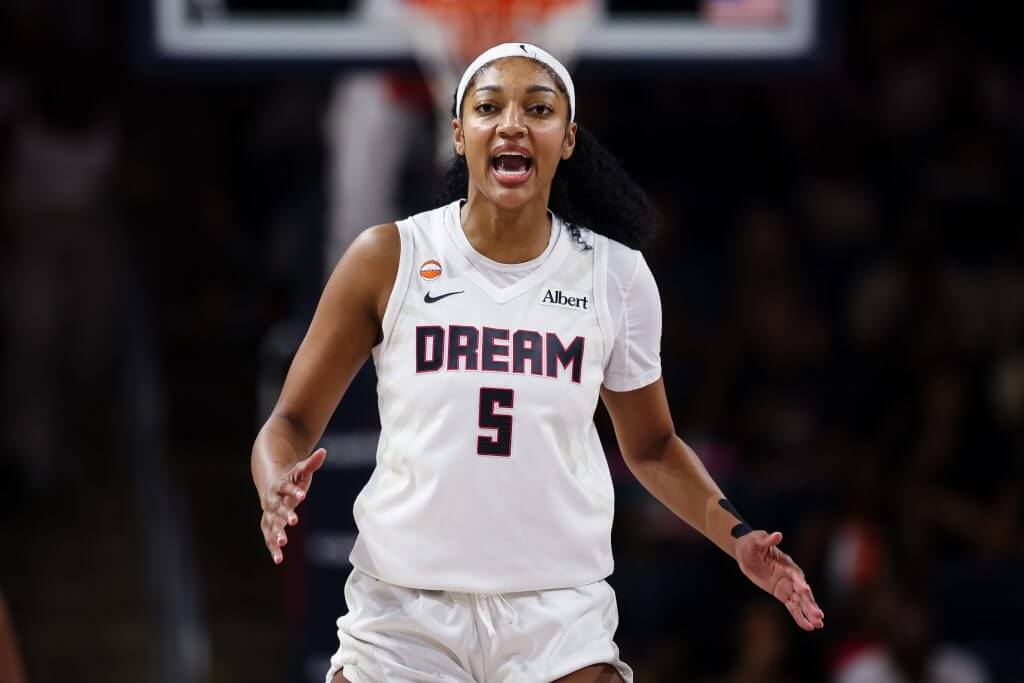
Consider the Atlanta Dream, who found themselves perched near the apex of the Eastern Conference standings, an impressive 12-8 record to their name. You’d think such a position might garner some individual accolades for the folks making it happen, wouldn’t you? Apparently not enough. Despite their team’s robust showing, zero Dream players snagged starting spots. Zero. It’s the kind of arithmetic that makes you squint, then tilt your head, — and then just shake it in weary amusement. Because sometimes, the machine just misfires.
Angel Reese, a player with a history of speaking her mind (and an All-Star nod every season of her pro career, starting with rookie year), wasn’t quiet about it. She stepped right into the breach. And she stated flat-out that the exclusion of her teammates, specifically Rhyne Howard and Allisha Gray, was “disrespectful.” A stark word, yes, but one that resonated with more than just fan frustration. It’s a critique of perceived fairness—a fundamental human need, be it in sports, politics, or the intricate trade agreements of, say, Pakistan and its regional neighbors.
It’s a peculiar thing, this blend of direct democracy (fan votes) with more, shall we say, ‘informed’ opinions (player and media votes). The league tallies these selections through a weighted combination: fans hold 50 percent of the sway, with players and selected media each chipping in 25 percent. A seemingly balanced approach on paper, perhaps designed to ward off accusations of bias, but one that clearly generates its own particular brand of political theater.
But when you peel back the layers, the cracks show. Howard, a demonstrably impactful player, rated in the top four among both media — and her peers. But then the public weighed in, slotting her a lowly ninth. Gray fared similarly: seventh in fan voting, but eighth with the media — and a stronger sixth amongst fellow players. Reese herself, arguably a major draw, ranked a consistent sixth across the board in all three categories. Her stats tell a story of sheer impact: Reese, for one, leads the entire league with 11.6 rebounds per game, according to reporting by The Athletic. And Howard isn’t far behind, leading the league in steals (2.5 per game) and ranking second for three-pointers (3.2 per game). These aren’t opinions; these are verifiable output.
Because the numbers don’t lie. Or shouldn’t. “We’re not first in the conference by just anything,” Reese correctly observed, cutting straight to the heart of the matter. “For us not to have anyone was just a slap in the face.” That’s plain talk, — and it’s meant to sting. This isn’t just about ego; it’s about a system designed to recognize achievement but often, in practice, defaults to a popularity contest, overlooking quiet effectiveness for flashier, better-marketed profiles. Sound familiar? It ought to. We’ve seen this play out in various arenas—from local elections where name recognition trumps platform, to global markets where brand allure often overshadows raw material value.
“I expect to be disrespected,” Reese allowed, with a dry, self-aware fatalism. “For those two, though, I think they work so hard, and they put a lot of work in, and the way that they’re guarded every game and they (have to) adjust. The reason why we’re where we are is because of those two.” It’s a testament to leadership, really—speaking for those who, as she put it, “don’t necessarily speak for themselves all the time.” And it suggests a deeper loyalty, a commitment to team cohesion that often gets overshadowed by individual narratives in an increasingly star-centric sporting economy.
What This Means
The situation in the WNBA isn’t just sports chatter; it’s a neat little microcosm of how democratic systems, particularly those influenced heavily by popular vote, sometimes fall short in identifying genuine merit or sustained impact. And that’s a problem because when top performers are repeatedly overlooked due to skewed popular perception, morale dips, and the perceived legitimacy of the system erodes. Economically, this can manifest in lower engagement for teams with quieter but more consistent players, ultimately affecting sponsorships and broader market appeal for the league beyond its headline acts. We see a similar dynamic in the often-turbulent political landscapes across South Asia, where the sway of charismatic figures, rather than steady, infrastructural policy work, can capture the public imagination. But leadership in places like Karachi or Islamabad also requires individuals who quietly lay the groundwork—those Rhyne Howards and Allisha Grays of governance—even when they don’t rack up the social media likes. The market for popular sentiment, it turns out, often prefers sizzle to substance.
It also underscores a persistent cultural challenge: the prioritization of individual celebrity over collective achievement. The game was played, the stats recorded, but the public vote appears to have prioritized spectacle. Or, worse yet, perhaps it’s simply a reflection of who — and what the mainstream media decides to champion. And the ripple effects of this aren’t just felt on a basketball court; they shape who gets elevated in entertainment, business, and even—as in the realm of campaign finance—how public perception determines influence, often overshadowing substantive, quiet work. We’ve grown accustomed to a winner-take-all mentality, where a vocal, high-profile few draw all the attention, often at the expense of consistent, team-oriented effort. That kind of short-sightedness doesn’t just affect All-Star rosters; it affects economies, communities, and really, just about anything where public opinion holds sway. But as Reese says, [QUOTE_PLACEHOLDER] Maybe we should trust the players a little more—and the public a little less—on who truly moves the needle. Because frankly, their colleagues generally know best.