

Press Freedom Under Threat: SCOTUS Upholds Reporter Fine
SCOTUS inaction leaves a journalist facing $800/day fines for protecting a source. Uncover the chilling threat to press freedom and investigative journalism.

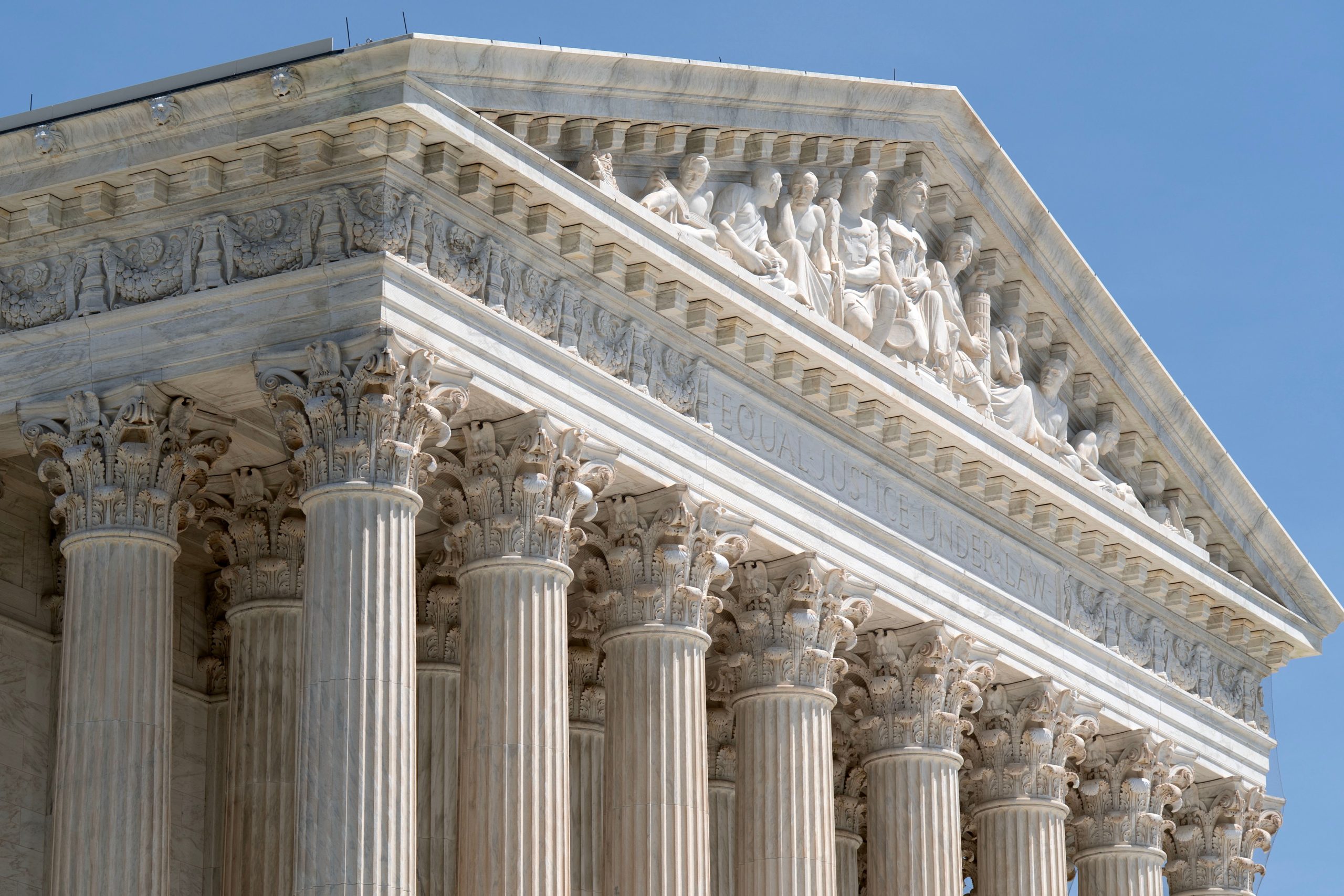
POLICY WIRE — Washington, D.C. — Eight hundred dollars. Every. Single. Day. That’s the meter still running against Catherine Herridge, a seasoned journalist who once held court at Fox News, then CBS. Her crime? Loyalty. Her sin? Protecting a source. This week, the Supreme Court of the United States, in a move that’s left press freedom advocates scratching their heads — and lawyers rubbing their hands — simply said: No. They didn’t explain it. They didn’t need to. They just let a lower court’s punitive hammer continue its relentless tap.
It wasn’t a groundbreaking ruling, mind you. But it speaks volumes. Herridge found herself ensnared in a legal skirmish stretching back to a defamation lawsuit. Yanping Chen, a Chinese-American scientist, claims Herridge defamed her in reports regarding a federal investigation. A U.S. District Court judge had already ordered Herridge to pay those escalating fines until she spilled the beans on her anonymous contacts. And then the Supreme Court gave it the ol’ legal shrug.
But this isn’t just about a former network correspondent—it’s about the ever-shrinking space for investigative journalism. It’s about a journalist looking at potentially hundreds of thousands of dollars in personal debt simply for doing her job as it’s traditionally understood. “It’s a chilling message sent from the highest court,” observed Marisa Lopez, director of the Press Freedom Project. “You can’t have robust democracy if the press can’t protect the very individuals brave enough to expose wrongdoing.” Lopez emphasized that while thirty-five states boast some form of journalist shield law, there’s no comprehensive federal protection. Only 35 states, folks. And those laws vary wildly, often leaving national reporters in a legislative limbo. Talk about a legal gauntlet.
Because let’s be real, in today’s hyper-polarized information landscape, protecting sources isn’t some quaint professional courtesy. It’s the absolute backbone of stories that hold power accountable. It’s how we uncover scandals, abuses, and secrets big corporations and even governments would rather keep under wraps. This Supreme Court decision, or rather, non-decision, casts a long shadow. “The courts are always balancing competing interests,” noted legal scholar Dr. Omar Bashir, whose research often touches on international law — and human rights. “But the judiciary’s reluctance to firmly protect journalistic privilege in these situations raises questions about their perceived commitment to an unfettered press.”
And those questions aren’t just echo-chamber chatter within America’s borders. Far beyond, in places like Pakistan, where journalists routinely face threats, abduction, and violence for their reporting—sometimes even state-sanctioned disappearances—this U.S. ruling is undoubtedly noted. How can Washington preach press freedom to Islamabad, to Dhaka, or to Cairo, when its own Supreme Court essentially shrugs at a punitive fine designed to force a journalist to compromise her ethics? It just doesn’t wash. For journalists operating in less stable regions, this isn’t an $800 fine, it’s a reminder of a global trend where speaking truth to power is becoming increasingly, devastatingly costly.
Herridge’s current financial penalty might feel minor to a billionaire, but for many journalists, especially those stringers and freelancers, it’s career-ending. And her battle highlights a broader decay. One data point for you: According to the Reporters Committee for Freedom of the Press, more than two dozen journalists in the United States have faced contempt proceedings or have been threatened with jail time for refusing to disclose sources or information in federal courts since 2000. That’s just federal court, — and that’s in America, supposedly a beacon of free expression.
The situation puts a gnarly spotlight on whether Congress will finally step in. Lawmakers have tossed around ideas for a federal shield law for years—you know, something that’d offer a bit more consistent protection to journalists operating across state lines or dealing with federal investigations. But partisan gridlock, as ever, has ensured nothing concrete really moves. Perhaps this high-profile shaming, courtesy of the Supreme Court, might light a fire under them. Or, perhaps, it’ll just be another casualty in the ongoing, brutal information war.
What This Means
This isn’t merely a legal procedural hiccup; it’s a political declaration. Or, more accurately, a lack thereof. The Supreme Court’s tacit approval of Herridge’s fines sends a cold shiver through newsrooms. Economically, it burdens individual journalists and could financially cripple smaller outlets without deep-pocketed legal defense funds. Who’s going to stick their neck out on a sensitive story, knowing the bill for protecting a source could run into the six figures? This climate discourages whistleblowers, entrenches secrecy, and ultimately starves the public of information that matters.
Politically, the ruling — or non-ruling — also undermines the perceived strength of the First Amendment as applied to press function. It provides fodder for critics of press freedom globally, offering a convenient “whataboutism” when the U.S. tries to champion free speech abroad. How will regimes in authoritarian or developing nations interpret this? Not as an isolated incident, that’s for sure. They’ll see it as further justification to clamp down on their own journalists who dare to challenge official narratives or expose corruption, mirroring an erosion of press protections, regardless of intent. As international media watchdogs often point out, when the leading democracies stumble, the ripple effects can be profoundly damaging for human rights everywhere. It’s a precarious time for those who traffic in truth, and this doesn’t help when global stability feels so tenuous.