

Germany’s Green Gamble: 60% Renewable Energy Milestone
Germany achieved nearly 60% renewable energy in H1 2026. Explore the triumphs, high costs, grid complexities, and global implications of Europe's energy shift.

POLICY WIRE — Berlin, Germany — You could almost hear the champagne corks pop, quietly of course, in Berlin’s ministerial offices. Another data point dropped, another tick in the ‘progress’ column for Germany’s Energiewende, that grand, ambitious, often stumbling — and sometimes baffling — shift away from dirty power. It’s not about a simple percentage climb, mind you; it’s about what that number actually represents when you peel back the layers.
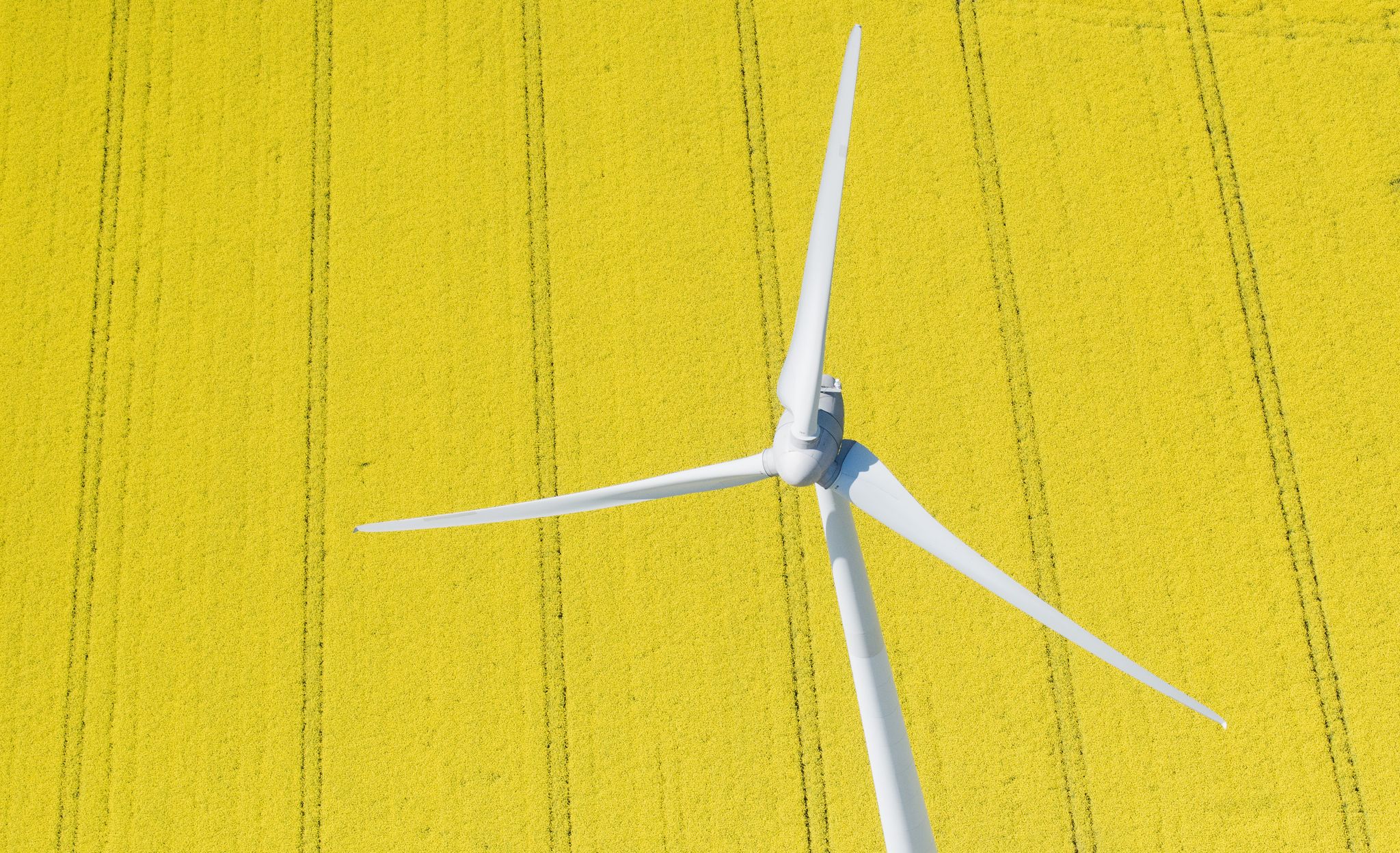
It means Germany, for the first half of 2026, saw a frankly eye-watering proportion of its power needs met by what essentially blows or shines. Nearly 60% of the electricity coursing through German homes and factories during those initial six months came from renewable sources. That’s up from roughly 56% in the same period just last year, according to preliminary figures released by the Federal Statistical Office (Destatis). And it wasn≠t just a good wind day here or there; this is a sustained, if complex, surge. [QUOTE_PLACEHOLDER]
For a nation that still, not so long ago, leaned heavily on coal—lignite-fired plants still dotted across the landscape—this is no small feat. But it isn’t some overnight miracle. It’s the slow, grinding product of decades of subsidies, regulatory pushes, and frankly, a whole lot of political arm-twisting. Environmentalists, industrialists, — and even your average German citizen have been part of this, for better or worse. It’s not all smooth sailing. Nobody’s saying that.
Because, well, getting electrons from the sun — and wind isn’t the same as firing up a nuclear plant. Stability—that’s the sticking point. The grid managers, the unsung heroes of this electric dance, are constantly performing a high-wire act. They’re balancing intermittent generation with predictable demand, sometimes pulling power from neighbors, sometimes curtailing excess wind farms because there’s just too much juice and nowhere for it to go. That kind of infrastructural ballet demands investment. Big investment.
And it also means some messy trade-offs. The shutdown of Germany’s last remaining nuclear power plants last year was a symbolic capstone, but it also tightened the margin for error. Critics often point out that the energy market can be a volatile beast, and while green credentials look great on paper, keeping the lights on at a reasonable cost is where the rubber truly meets the road. Policy Wire previously explored similar grid complexities as US cities faced extreme heat, see Brutal Heatwave Grips US Midwest and East Ahead of July 4th for perspective.
So, here we’re: another step forward, but with lingering questions. The economic costs are enormous. Industrial users, like those in the chemical sector, fret about power prices. Then there’s the NIMBY effect—Not In My Backyard—where local opposition can slow down everything from new wind turbine installations to crucial transmission lines. This progress, you see, it comes at a price. Always does.
For nations watching from afar, particularly those in South Asia or the broader Muslim world like Pakistan, Germany’s experiment is less a blueprint and more a cautionary tale. Pakistan, facing its own crippling energy deficits and a burgeoning population, eyes renewables not as an ideological quest, but as an economic necessity. Yet, the challenges of financing, grid integration, and political will make Germany’s high-cost, high-tech journey seem almost quaint. Their situation demands cheaper, more robust solutions, often from diverse sources, rather than such singular reliance.
But the pressure to decarbonize is real, global, — and unrelenting. Countries are wrestling with how to maintain energy security while slashing emissions. For a nation like Pakistan, where even reliable baseline power remains elusive, the question isn’t just how much green power, but how to pay for any power, especially when geopolitical and economic instabilities can wreak havoc on project financing.
What This Means
This latest German achievement, while certainly a feather in Berlin’s cap, represents something far more layered than just environmental progress. Economically, it signifies sustained demand for green tech, sure, but also potential strain on industrial competitiveness if energy costs outpace those in other nations with different energy mixes. It hints at a deeply complex geopolitical shift too, as energy independence becomes an ever more slippery concept in a continent still smarting from previous supply shocks.
But this isn’t just about German domestic politics or European power grids. It has wider echoes. Global energy markets will react. Manufacturers of solar panels — and wind turbines will be cheering. Those in the fossil fuel industry? Perhaps not so much. And developing economies, especially those with plenty of sunshine but few spare euros, will be studying Berlin’s triumphs and missteps, wondering if such a costly transition is even viable for them. They’ll take some lessons, some perhaps more relevant to their specific constraints.
So, the 60% mark is more than just a number. It’s a marker in a grand experiment, a continuous work-in-progress, complete with all its inherent ironies. Germany’s green push means a lot of things. And one of them is certainly more policy debates, more political wrangling, and a persistent hum of expensive electrons trying to make their way to market.