


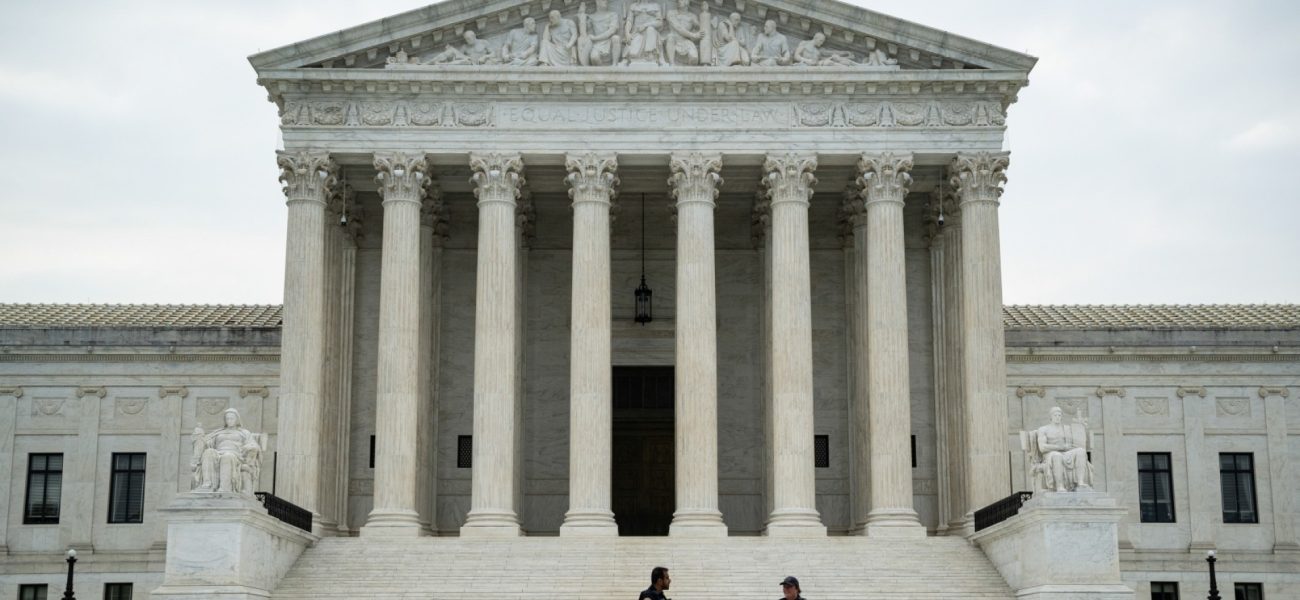
Dollar Deluge: High Court Unleashes Unlimited Cash into Political Arenas
POLICY WIRE — Washington D.C., USA — Forget the soapboxes and town hall debates for a moment; the sound that truly reverberated across America’s political landscape wasn’t an...

POLICY WIRE — Washington D.C., USA — Forget the soapboxes and town hall debates for a moment; the sound that truly reverberated across America’s political landscape wasn’t an orator’s impassioned plea, but the gentle *thud* of a judicial gavel, striking down yet another firewall against the relentless flow of money into elections. It isn’t just about who can afford airtime anymore—it’s about opening the floodgates to an ocean of unregulated cash, ready to slosh into every corner of the political game.
For decades, a quiet skirmish has been waged, fought with legal briefs and dissenting opinions, over the very soul of campaign finance. This week, the Supreme Court, in a move that felt less like a surprise and more like a grim inevitability, dismantled long-standing restrictions on individual campaign contributions. Now, individual donors aren’t capped in the aggregate as they once were, free to write checks to as many candidates, parties, and committees as their fortunes (and allegiances) dictate. It’s a seismic shift, making every prior debate about spending limits feel like quaint parlor chatter. Critics had worried this exact scenario might unfold—a further weakening of any semblance of parity in the political finance system—and their fears have, well, crystalized. [QUOTE_PLACEHOLDER]
And let’s be frank: the practical implications hit like a cold front. It means more ads, certainly. But it also means deeper access, more entrenched influence for a tiny fraction of the populace. Elections become less about grassroots movements — and more about who can secure the biggest individual benefactor. Imagine, if you will, the power of a single billionaire not just backing a presidential candidate, but bankrolling Senate races, House races, gubernatorial bids, and local contests across the country, all at once. That’s not just a candidate getting a boost; it’s a meticulously engineered political ecosystem being shaped by one very rich hand.
Because ultimately, these aren’t just arcane legal maneuvers; they redraw the map of political power. The notion that money equates to free speech, a core tenet of previous rulings, has found its zenith here, effectively asserting that the loudest voice should belong to those with the deepest pockets. It’s a vision of democracy—a marketplace of ideas, certainly, but one where some stalls are gargantuan, gleaming department stores while others are barely card tables. Don’t think for a second that those overseas aren’t watching, either. From Islamabad to Jakarta, political observers and power brokers in the Muslim world routinely eye US elections not just for who wins, but for *how* they win, especially for how much the electoral process relies on big finance. Many of these nations, with their own struggles against corruption and illicit financing, often point to American campaign funding laws as both a standard to aspire to and a cautionary tale against undue influence.
They’ve seen the spectacle. They’ve watched money define races. For instance, recent federal elections have shown costs ballooning; the Center for Responsive Politics, an authority on campaign finance data, reports that the 2020 election cycle alone saw spending eclipse $14.4 billion across all races and propositions. Now, remove a major set of guardrails? You’re talking about a significant psychological barrier getting obliterated for big donors, effectively inviting even more disproportionate giving.
But the real kicker here? It’s not simply the removal of a ceiling; it’s a philosophical affirmation that, in the American democratic experiment, wealth should have an unconstrained megaphone. It’s hard to find an ounce of irony in a ruling that essentially tells a donor they can spend as much as they wish, just as long as they don’t, you know, coordinate too obviously with the campaigns. That particular distinction, for many veterans of political battles, feels a bit like distinguishing between various shades of blue in a raging storm.
📄 POLICY WIRE WHITEPAPER PUBLISHED: PAKISTAN'S NATIONAL SECURITY POLICY PRIORITIES
👉 READ BY CLICKING HEREThere’s an argument, often rehearsed by the decision’s proponents, that greater disclosure will offset the increased spending. Disclosure, they’ll say, is the disinfectant. Yet, even with disclosures, tracing the actual motivations or long-term impacts of such gargantuan contributions can feel like trying to map the wind. It’s like demanding everyone wear a nametag at a crowded, boisterous party, and expecting that to make it a calm, intimate gathering. Good luck with that.
It’s fair to say that this court’s inclination toward uncapping campaign spending has been consistently clear. This decision just brings a sharpened clarity to that agenda. We’re now entering an era where the financial armaments available to the wealthy for shaping elections are virtually unlimited. And honestly, it changes everything.
What This Means
This ruling, in effect, injects steroids into an already money-driven political process. Politically, expect a deeper reliance on ultra-high-net-worth individuals, which will invariably shift party priorities towards concerns and policies favored by this tiny elite. Campaigns, particularly those that struggle with small-dollar fundraising, will scramble to identify and cultivate relationships with these mega-donors, offering access and influence that smaller, grassroots contributions simply can’t compete with. For the upcoming midterm elections, this means the war chests of candidates will swell with greater ease, allowing for more sustained media offensives and sophisticated data operations. Economically, while this decision won’t directly impact GDP or inflation, it will reinforce the already alarming trend of wealth concentration correlating with political power. Policy outcomes could increasingly favor sectors and industries represented by major donors, potentially creating an uneven playing field in regulation, taxation, and trade. For nations like Pakistan or those in the broader South Asian and Muslim world, it’s a further demonstration of American plutocracy at play, potentially influencing their perceptions of the fairness and impartiality of US foreign policy decisions – decisions often shaped, in part, by special interest lobbying. It just means the playing field isn’t merely tilted; it’s practically vertical now, with big money at the very top. This move effectively accelerates a trend we’ve been tracking for years, tightening the grip of a powerful few on the democratic levers. It’s not democracy’s finest hour; it’s its most expensive, and that bill will inevitably come due in policy and perception both at home and abroad.