

Geopolitics of Goalposts: Mullin’s ‘Happy Dance’ Exposes Raw Nerves in US-Iran Standoff
POLICY WIRE — Washington, D.C. — Not every American official views global sport through the lens of international camaraderie. Not exactly. For Markwayne Mullin, the former Trump-era Secretary of...

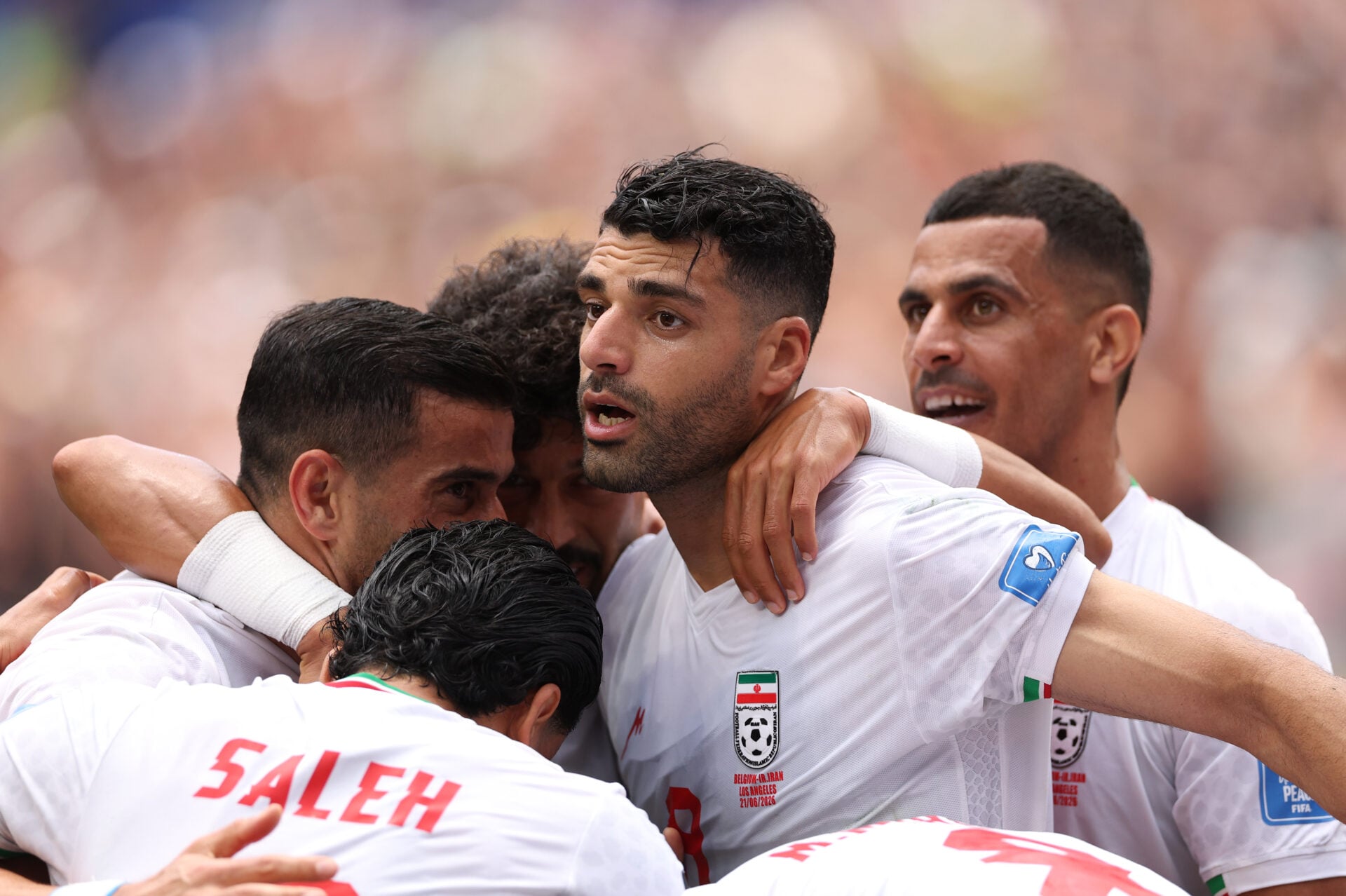
POLICY WIRE — Washington, D.C. — Not every American official views global sport through the lens of international camaraderie. Not exactly. For Markwayne Mullin, the former Trump-era Secretary of Homeland Security (and currently a senator, though his past portfolio defines the present scandal), the premature exit of Iran from the 2026 FIFA World Cup wasn’t a cause for neutral observation—it was a triumph, a moment for a “happy dance,” as he gleefully admitted.
You see, the usual pleasantries about sporting spirit and transcending political divides often get shelved when adversaries face off, even on the pitch. This wasn’t just about who scored more goals. It was a skirmish on a different battleground, complete with visa wrangling — and barely concealed animosity. Mullin’s blunt admission, recounted in an interview with the Sports Business Journal, peeled back the veneer of diplomatic pretense, revealing the raw geopolitical nerves vibrating beneath the surface of a seemingly innocent tournament.
“I’m just glad they’re done, and they’re not coming back,” Mullin was quoted saying, a sentiment as far removed from FIFA’s ‘fair play’ ethos as Tehran is from Tysons Corner. “I was so happy when we were able to pull their visas and said they could leave the US soil, and I might’ve sung a song or two or maybe even danced a happy dance.” But his mirth wasn’t just about a team losing. It spoke to something deeper, to the complex — and often infuriating tightrope walk that U.S. agencies—DHS chief among them—had to navigate to even permit the Iranian squad to participate on American soil. Their presence itself, considering the ongoing hostilities between Washington and Tehran, was a bureaucratic Gordian knot.
Because, make no mistake, even sporting events are intelligence operations when nations like these are involved. DHS’s role, per Mullin, meant an almost surgical scrutiny of the Iranian delegation. Their entry wasn’t a given; it was a highly negotiated concession, constrained by severe visa restrictions. The players, according to the agreement with FIFA, were permitted entry just one day before their matches, strictly for training purposes, and then, as soon as the whistle blew on their final game, they were out.
And it seems there was no love lost on either side. “That was just an agreement we had, to just go ahead — and let them go. The game was over, let them get back to the hotel, their base camp, where they’re at. They’re more comfortable there,” Mullin explained, offering a curious blend of hospitality — and haste. This wasn’t some genial host sending off tired athletes. It was an agency expediting the departure of a potential security concern, a high-stakes chess match played with passports and goal differentials instead of missiles. They’d finished third in Group G, meaning an early exit. It left the tournament without them, and it left the DHS secretary apparently unburdened.
When questioned about the potential diplomatic fallout from such public celebrations of an adversary’s athletic failure, a State Department official, speaking on background given the sensitive nature of U.S.-Iran diplomacy, offered a carefully worded rebuttal. “The United States adheres to international sporting conventions — and commitments. Our facilitation of the Iranian team’s participation reflects our obligations, not our endorsements of any regime’s policies. Comments from former officials, while personal, don’t represent the delicate balance of current U.S. foreign policy objectives.” It’s a classic Washington two-step: maintain deniability while letting a former politician’s bluntness signal broader attitudes.
The sheer scale of managing such events, by the way, is astronomical. For the 2026 World Cup alone, jointly hosted by the U.S., Canada, and Mexico, analysts estimate a security and logistical apparatus costing hundreds of millions of dollars—and that’s before accounting for the intricate challenges of teams from adversarial nations. A 2018 study by Deloitte suggested major sporting events, even those without such high political stakes, routinely incur security budgets upwards of $200 million for host nations. Multiply that by the U.S.-Iran tension, — and you get the picture.
This episode serves as a potent reminder that in the arena of global politics, the white lines of the football pitch often blur into the messy, overlapping territories of diplomacy and national security. Sports, for all their unifying rhetoric, can become another battleground, or at the very least, a mirror reflecting deeply entrenched hostilities.
And the irony isn’t lost, is it? Mullin, known for his hawkish stance on Iran, seems to have treated their sporting failure as a tactical victory. It wasn’t just a game for him, it was another round in an enduring, intractable cold war. For a deeper dive into the complexities of sport and international relations, you might consider reading about America’s recurring World Cup challenges, where the U.S. often finds itself grappling with its place in the global game.
What This Means
Mullin’s candid “happy dance” isn’t merely an individual’s colorful anecdote. It’s a flashing red light on the inherent conflict of hosting international events with political adversaries. Politically, it confirms—or perhaps gleefully shouts—what many in Tehran already suspect: America’s public statements of neutrality around sporting events are often undermined by deep-seated animosity within its political establishment. Such outbursts provide fodder for anti-American sentiment not just in Iran, but across the broader Muslim world, including nations in South Asia where perceptions of U.S. foreign policy are often shaped by symbolic gestures. For the Iranian regime, it validates their narrative of a hostile ‘Great Satan,’ despite the sporting context. It makes it harder for any potential diplomatic breakthroughs, as it poisons the well of mutual respect, however thin it may be.
Economically, this sort of politicization also casts a shadow over future events. International bodies like FIFA want their tournaments to be global, inclusive spectacles. But when hosting nations leverage visa processes or openly celebrate rivals’ failures, it can lead to boycotts or increased security demands that drive up costs and discourage participation. Imagine the additional logistical burden, security expenses, and diplomatic headaches associated with every nation eyeing each other’s security agencies with suspicion. It creates a climate where the pure economic benefits of hosting—tourism, infrastructure development, international visibility—are weighed against the considerable risks of becoming a stage for proxy political drama. For policy-makers, it forces a hard look at whether the geopolitical costs outweigh the economic benefits of such high-profile international engagements.