


The South Florida Gridiron Gamble: A Phoenix or Just Another Mirage for the Dolphins?
POLICY WIRE — Miami Gardens, USA — Twenty-six years is a lifetime in professional football, an eternity for a fan base. But here we’re, at the dawn of what the Miami Dolphins’ brass insists is...

POLICY WIRE — Miami Gardens, USA — Twenty-six years is a lifetime in professional football, an eternity for a fan base. But here we’re, at the dawn of what the Miami Dolphins’ brass insists is a ‘new era,’ yet it feels suspiciously like an echo. General Manager Jon-Eric Sullivan, fresh from the cold Wisconsin winds of Green Bay, is the latest corporate savior parachuted into South Florida. His mission? Resurrect a franchise that hasn’t smelled a playoff victory since December 2000. And they’re not just trying to win games; they’re trying to reprogram the very DNA of an organization seemingly cursed by mediocrity.
It’s a bold bet, one rooted in the unshakeable faith that new faces, particularly those plucked from success elsewhere, can rewrite destiny. Sullivan’s cohort includes rookie coach Jeff Hafley and quarterback Malik Willis, both imported from the same championship-contending Packers. This isn’t just about roster turnover; it’s a philosophical cleansing. Out with the old, potentially soft—(we’re looking at you, Mike McDaniel, whose departure seems to have left more questions than answers)—and in with the, well, ‘Green Bay Way.’ Because, you know, that always translates seamlessly to subtropical climates and different player dynamics. What could possibly go wrong?
They’ve stockpiled talent: running back De’Von Achane, center Aaron Brewer, linebacker Jordyn Brooks. Then there’s a scattering of fresh faces like Kadyn Proctor — and Kenneth Grant. It’s a shopping spree on the hope market, which, let’s be honest, often runs a bit thin when the actual season starts. The narrative is always about building, about the long game. But professional sports, particularly in a transient market like Miami, demands immediate returns. It’s a ruthless business, where even billionaire owners eventually tire of losing propositions. To illustrate the scale of this financial and emotional investment, consider that NFL teams, on average, are valued at a staggering $5.1 billion, according to Forbes’ 2023 valuations, representing immense capital tied to often-volatile fan sentiment.
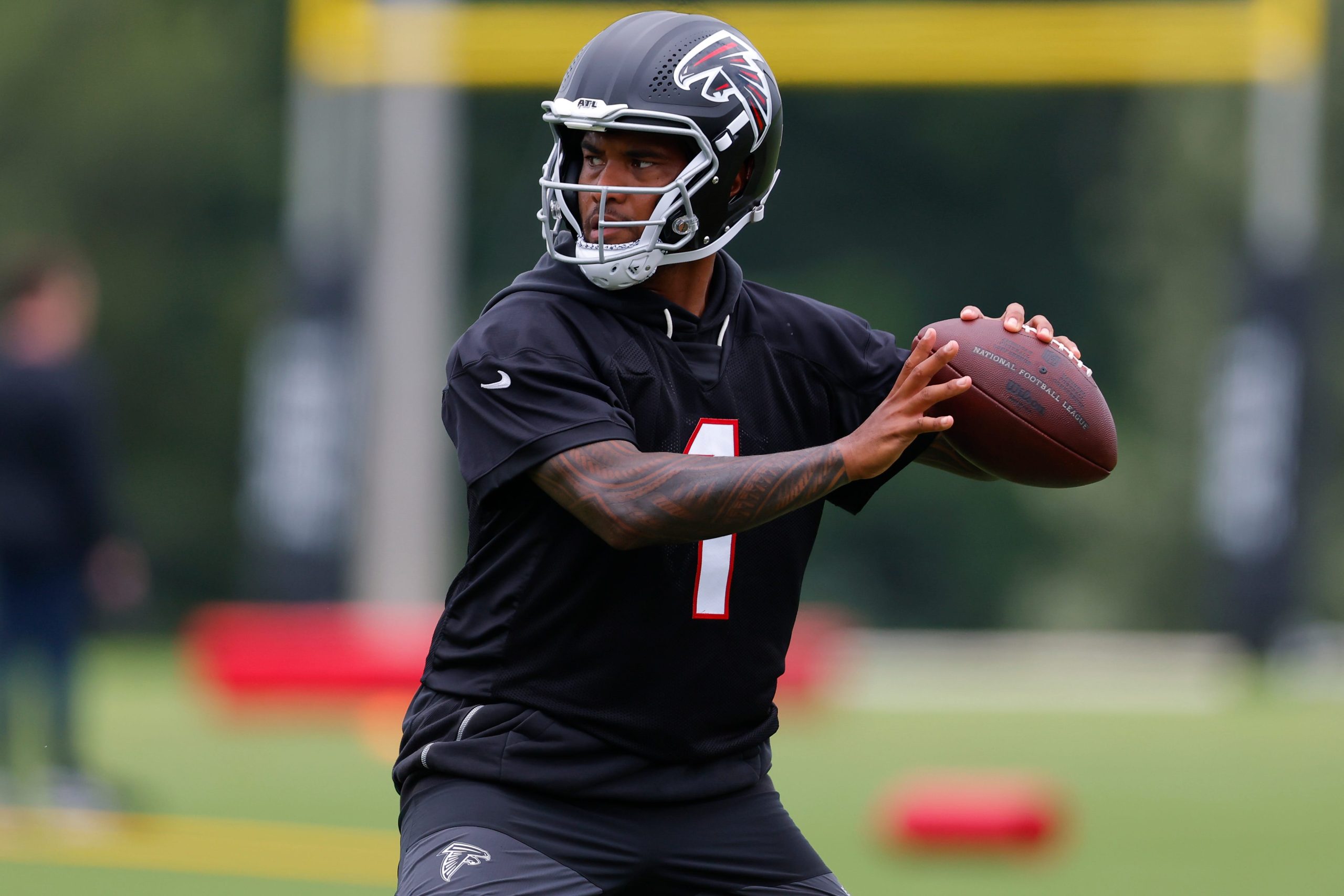
This ‘rebuild’ isn’t just happening behind closed doors. The public testing starts early. Consider the third preseason tilt, a seemingly innocuous game against the Atlanta Falcons on August 28th. Why the interest? Because Tua Tagovailoa, the ex-Dolphin whose tenure was a roller coaster of brilliance and injury, is likely starting for Atlanta. Will fans, that notoriously forgiving bunch, cheer or boo? Probably a bit of both, a confused cacophony that reflects Miami’s own conflicted history with its quarterback legacies. It’s almost theatrical, the return of the prodigal son—who, in this narrative, left for greener pastures (and probably a slightly healthier offensive line).
But the real crucible might be the late-season clash in Green Bay on December 20th. This is where coach Hafley faces his old stomping grounds, — and Malik Willis returns to Lambeau Field. How will they handle the biting cold that so often exposes South Florida’s squads as, dare we say, ‘soft’? Former Dolphins linebacker Jordyn Brooks had, on a previous visit, lamented the team’s ‘soft’ effort. That memory, no doubt, still stings Hafley. “We’ve got to prove we can play hard, not just fast. That’s a culture shift,” Hafley recently remarked to Policy Wire, his jaw tight. “You can’t just talk about toughness; you’ve got to live it, especially when the temperature drops to single digits.”
And then there’s the Chargers at home on December 27th, an emotional minefield. Former Dolphins coach Mike McDaniel, now with the Chargers, squares off against his former team. Will he run up the score? Will Miami fans cheer or boo their once-popular, now-departed figurehead? It’s not just a game; it’s a referendum on past decisions and a glimpse into the emotional scars of a fan base hungry for sustained success. Many long-suffering devotees might echo sentiments from a distant region. The raw, passionate intensity of sports fandom, after all, isn’t unique to Florida. You see a similar, deeply ingrained attachment to traditional rivalries and team identities across the globe, from the English Premier League to the intensely followed cricket matches between Pakistan and India. The pain of watching a team consistently underperform, year after year, for a populace that yearns for a champion—it transcends geographic and cultural boundaries. But perhaps only in America do we elevate these cyclical ‘rebuilds’ into national dramas of hope — and despair. For now, Sullivan preaches patience: “We aren’t building a sandcastle, you know? It’s a foundation. It takes time, resilience, — and a deep commitment to an uncomfortable truth: past failures are not future determinants.”
What This Means
The Dolphins’ prolonged playoff drought isn’t just a sports statistic; it’s a political — and economic anchor. For Miami-Dade County, a perpetually underperforming team translates to tangible losses beyond ticket sales. Local businesses—restaurants, bars, merchandise shops—see dampened enthusiasm. More critically, the consistent narrative of failure makes it harder to secure public funds for stadium upgrades or broader community development initiatives, even when the financial injections from new ownership might be considerable. But a winner changes the narrative entirely. Suddenly, infrastructure projects tied to team success become palatable. Consider the political capital that winning bestows; it can be parlayed into everything from civic pride campaigns to negotiating better terms for city investments. And the emotional well-being of a metropolitan area, too, hinges surprisingly on its athletic champions. There’s a psychological uplift that reverberates through the local economy, sparking an often-unseen but very real boost in consumer confidence. This Dolphins regime, therefore, isn’t just about football. It’s a very public experiment in municipal psychology, an expensive gamble on collective morale. Their success, or lack thereof, won’t just register in the win-loss column; it’ll leave a mark on Miami’s coffers and its collective spirit for years to come.