

Sudan Confronts New Cholera Outbreak Amidst Prior Resurgence Concerns
POLICY WIRE — Khartoum, Sudan — Sudan has once again declared a cholera outbreak, an announcement from the country's Ministry of Health made Monday confirms. Th...

POLICY WIRE — Khartoum, Sudan — Sudan has once again declared a cholera outbreak, an announcement from the country’s Ministry of Health made Monday confirms. The new declaration follows an extensive prior epidemic, which lasted nearly two years and had only recently been declared over.
The immediate impact of this fresh crisis appears severe, with the ministry reporting a staggering 117 deaths already in West Kordofan state. Beyond these confirmed fatalities, authorities have identified an additional seven confirmed cases and are investigating 838 suspected cases across the region. This rapid escalation in reported infections signals a critical public health challenge.
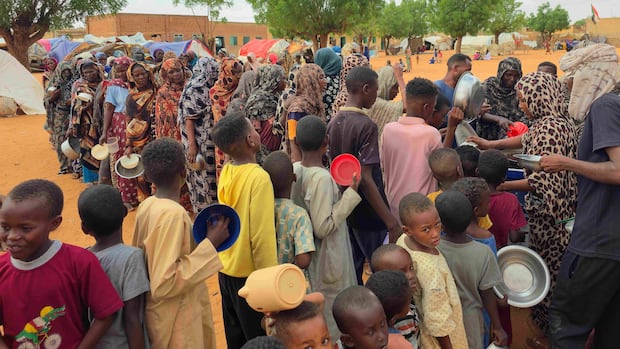
The resurgence of cholera places renewed strain on a nation already grappling with profound humanitarian and infrastructural difficulties. The disease, an acute diarrheal infection caused by consuming contaminated food or water, poses an urgent threat, particularly in areas where sanitation and access to clean water are compromised. Its rapid spread — and high mortality rate if left untreated make such outbreaks a top concern for health agencies.
Cholera has a long and complex history in Sudan, often flaring up during periods of displacement, conflict, or natural disaster, all of which compromise public health infrastructure. The bacterium, Vibrio cholerae, thrives in environments lacking proper hygiene. Mass population movements and the disruption of health services can turn a localized issue into a widespread epidemic quickly. Given Sudan’s ongoing challenges, a swift and comprehensive response is essential to contain the current outbreak and prevent it from engulfing more communities.
Controlling a cholera outbreak requires a multi-pronged approach: rapid detection, immediate treatment of cases, improving access to safe drinking water, implementing effective sanitation measures, and robust public health campaigns to educate communities on prevention. International aid organizations frequently support national efforts, providing medical supplies, training, and logistical assistance. The effectiveness of such interventions hinges heavily on access to affected populations — and the security environment. Historically, outbreaks have often spiraled due to limitations in these critical areas.
The health infrastructure in regions like West Kordofan, already fragile, faces immense pressure during such emergencies. Resources are often stretched thin, and medical personnel may lack the necessary equipment or training to manage a large influx of patients efficiently. These vulnerabilities can exacerbate the impact of the disease, transforming what might be manageable under normal circumstances into a devastating public health crisis. Each death tally represents a failure to access timely care, emphasizing the urgent need for intervention.
What This Means
The declaration of a new cholera outbreak in Sudan, so soon after the official end of a previous one, points to systemic vulnerabilities within the country’s public health system, likely compounded by broader socio-political instability. It suggests that underlying conditions that allow the disease to flourish—poor sanitation, limited access to clean water, and strained healthcare capacity—remain unaddressed or have deteriorated further.
For the affected population in West Kordofan — and potentially beyond, this means an immediate and grave health risk. The rapid increase in suspected and confirmed cases, along with the high death toll, indicates the disease is already spreading aggressively. Effective containment will rely heavily on swift, coordinated action from Sudanese authorities and international partners, which may be challenging in the current context.
Looking ahead, this resurgence serves as a stark reminder that public health crises rarely respect borders or political divides. Without sustained investment in basic infrastructure—water, sanitation, and hygiene (WASH) facilities—and robust health surveillance systems, the cycle of outbreaks is likely to persist. The current situation demands not only an emergency response but also a long-term strategy to build resilience against such preventable diseases, questioning what lessons were truly learned from the preceding nearly two-year struggle against the very same threat.