
Silent Echoes: Fourth of July Tragedy Spurs Lifesaving Mission in Albuquerque
POLICY WIRE — ALBUQUERQUE, N.M. — It’s a job where triumphs often unfold in hushed whispers, behind sterile glass, among tiny, struggling lungs. New Mexico’s neonatal intensive care units—NICUs—are...

POLICY WIRE — ALBUQUERQUE, N.M. — It’s a job where triumphs often unfold in hushed whispers, behind sterile glass, among tiny, struggling lungs. New Mexico’s neonatal intensive care units—NICUs—are battlegrounds for the smallest lives, requiring steely nerves and an ocean of empathy. This July, one young woman steps into that particular fray, not as a stranger to suffering, but as a veteran of its earliest, most brutal manifestations.
Alyssa Boldin, fresh out of the University of New Mexico’s nursing program and with her boards behind her, has signed on to care for the region’s most vulnerable infants. Her mission? To help babies — and families through hard days, a calling her own father suggests is her intrinsic purpose. But her journey to the stark, demanding realities of pediatric intensive care isn’t just about clinical acumen. It’s built, quite literally, on survival, on a hair-raising escape from an altogether different kind of trauma—one borne of carelessness, and, arguably, of misplaced celebration.
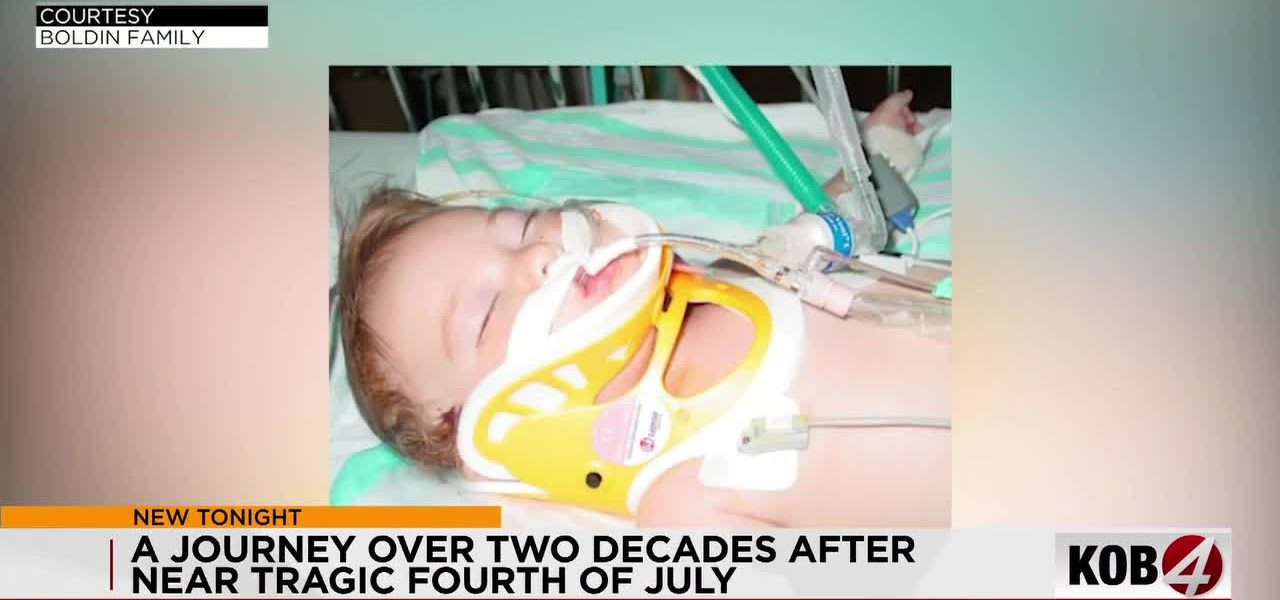
And so, twenty-one years prior, a date seared into the Boldin family’s collective memory, the Fourth of July brought not fireworks but tragedy. Alyssa was weeks shy of her first birthday. Some fool, celebrating America’s independence, fired a gun into the night sky over Albuquerque. A stray bullet, gravity’s cold payload, found her.
Her father, Richard Boldin, recalls the brutal particulars: [QUOTE_PLACEHOLDER]. An improbable trajectory for such a small, vulnerable body. The medical prognosis was, well, grim. He says, they pretty much gave us… she’s got a 10% chance. Doctors, for all their miracles, offer cold comfort when odds like that get stacked against an infant.
This horrific incident didn’t just change Alyssa’s nascent life; it warped how her family observed the nation’s birthday for decades. The explosions of freedom became tinged with the terror of unintended consequences. They’ve since opted for indoor celebrations, hunkering down, avoiding chances—a quiet act of protest against the cavalier endangerment that marked their lives. [QUOTE_PLACEHOLDER] That’s the hope, isn’t it? Just one less person to make the same idiotic mistake.
But life, stubbornly, moves on. This year, the family’s got something genuine to celebrate: Alyssa’s academic victory and her newfound professional purpose. She’s slated to start in the NICU here in July, — and she just got my after letter, so I’m super excited. There’s an undeniable poetry in it: a child nearly lost to heedless violence now devoting her working hours to salvaging other lives teetering on the precipice.
📄 POLICY WIRE WHITEPAPER PUBLISHED: PAKISTAN'S NATIONAL SECURITY POLICY PRIORITIES
👉 READ BY CLICKING HERELaw enforcement, as it always does, dutifully warns of negligence charges for those who launch lead skyward. It’s a perennial headline, a cyclical caution before each major holiday involving fireworks or festive noise. But warnings, sometimes, feel like background static against the crackle of a culture that frequently conflates celebratory excess with harmless fun—even when lives get broken in the process. Just ask the families of the nearly 18,000 Americans injured or killed by unintentional shootings each year, according to a 2023 report from the Everytown Research & Policy organization. It’s not just a festive error; it’s a public health crisis masquerading as a civic custom.
What This Means
Alyssa Boldin’s story isn’t just a feel-good human interest piece; it’s a sharp indictment of an endemic societal failing. In the U.S., the casual firing of weapons into the air, particularly during celebrations, represents a potent confluence of cultural tradition, lax enforcement, and a woeful disregard for basic physics. This phenomenon isn’t unique to American Independence Day—nor to America. The practice of celebratory gunfire, tragically, spans continents, permeating festivities from weddings in Pakistan to Eid celebrations across parts of the Muslim world.
Consider the similar, heart-wrenching headlines emanating from Karachi or Peshawar, where children are likewise maimed or killed by bullets that literally fell from the sky, shot with abandon during cultural events. The economic toll on families, both here and in places like South Asia, from lifelong injuries and prolonged medical care—not to mention the emotional wreckage—is profound, often pushing households into debt or deepening existing poverty. Politically, it presents a stubborn challenge: how to reconcile entrenched cultural behaviors with public safety, especially when the instruments of danger are widely available. Legislators, wary of being seen as anti-tradition, often shy from rigorous penalties or sustained public education campaigns that might actually shift behavior. It’s a dance between policy and cultural inertia, one that, frustratingly, often concludes with another infant in critical care.
But Alyssa’s determined leap into nursing offers a contrasting, albeit small, ray of hope. It demonstrates the enduring human spirit’s capacity to transmute personal tragedy into purposeful action, a response to a policy vacuum. It’s a living monument to resilience, where an individual picks up the pieces where the collective has failed, patching holes in the safety net, one tiny life at a time. Her path isn’t just about saving lives; it’s a silent, poignant argument for a more conscientious society, whether in Albuquerque or across the Arabian Sea.