

Hollywood Echoes in Albuquerque: Busfield Case Spotlights Justice, Celebrity, and Unseen Systems
POLICY WIRE — ALBUQUERQUE, N.M. — It’s a familiar tableau, really: the acclaimed entertainer, once a household name, now staring down the barrel of a criminal indictment. This isn’t...

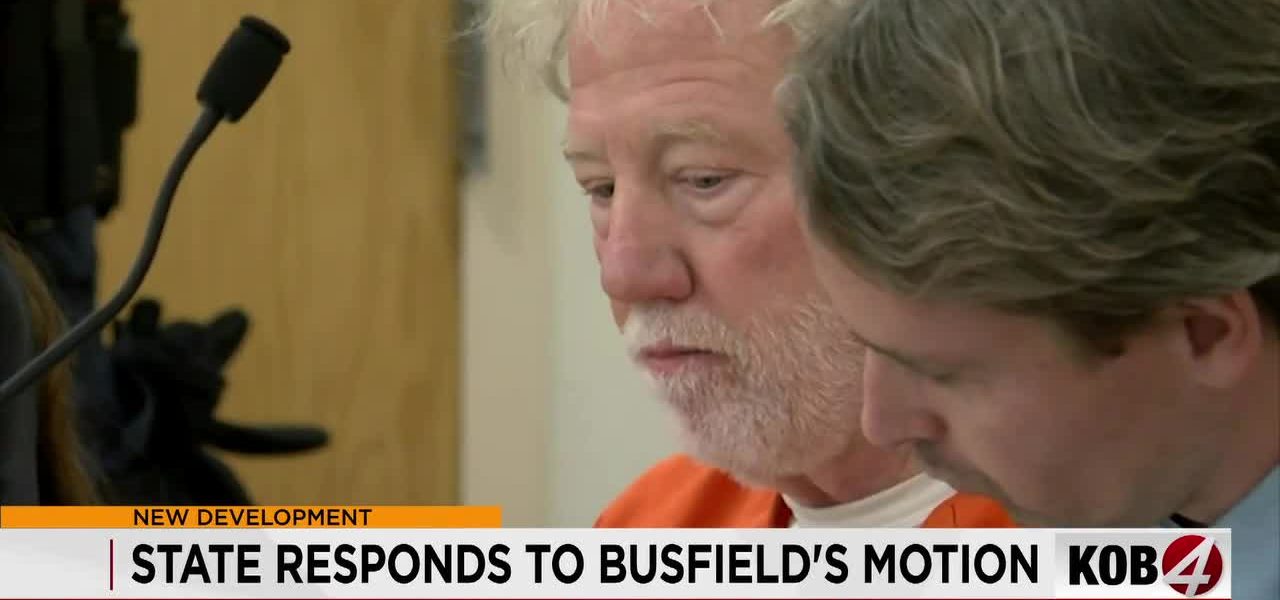
POLICY WIRE — ALBUQUERQUE, N.M. — It’s a familiar tableau, really: the acclaimed entertainer, once a household name, now staring down the barrel of a criminal indictment. This isn’t Tinseltown’s golden era, nor some distant, monarchical reckoning. This is Albuquerque, and the legal quagmire facing Timothy Busfield, an actor whose presence once graced millions of American screens, has pulled back a corner of the legal system’s opaque curtain. A judge here now holds the fate of a grand jury’s accusation – and a career’s legacy – in a rather prosaic administrative hearing.
The state, through its labyrinthine legal machinery, isn’t keen on letting Busfield’s defense team wave away the charges. They’ve pushed back hard against motions to dismiss, insisting the grand jury’s decision should stand. This isn’t just bureaucratic stubbornness; it’s about the sanctity of the grand jury process itself. Busfield stands accused of sexually abusing two boys while on location for a television production, charges that have understandably — and correctly — shaken local communities. His lawyers contend the whole setup was, well, unfair. They argue prosecutors withheld critical evidence—a third-party investigation that purportedly found no misconduct—and denied Busfield adequate opportunity to present his own testimony.
But the state’s reply arrived, cutting straight to the bone. They claim Busfield had plenty of time, asserting prosecutors didn’t short-change due process. “Justice for victims isn’t a suggestion; it’s our unwavering mandate. Mr. Busfield’s past fame won’t alter the course of justice in our courtroom,” stated District Attorney Eleanor Vance, her voice steady and resolute, responding to inquiries about the defense’s claims. It’s a sentiment designed to resonate, especially in a state like New Mexico that grapples with complex issues surrounding vulnerable populations.
Because, frankly, these cases—where celebrity and grave accusations collide—aren’t just legal skirmishes. They become public referendums on trust, on who gets to tell their story, — and on whose narrative holds sway. The defense, on the other hand, sees procedural foul play. “This isn’t about facts; it’s about a sensationalized rush to judgment. My client is entitled to due process, not a trial by media. The state’s case, frankly, crumbles under any real scrutiny, lacking the robustness expected in such grave matters,” retorted defense counsel Marcus Thorne, projecting an air of indignant certitude.
These legal ping-pong matches are commonplace, but their outcome can define more than just an individual’s liberty. They define public faith in the system. The grand jury, in many jurisdictions, acts as a sort of legal gatekeeper; a super-majority vote (in this case, prosecutors say) to proceed with an indictment suggests a body of citizens found enough probable cause. Yet, an astounding 99% of federal grand jury investigations lead to an indictment, according to a 2010 Department of Justice report, a figure that always raises eyebrows about just how independently ‘grand’ these juries truly are.
In many parts of the world, say, across the bustling metropolises of Pakistan or the conservative societies of the broader Muslim world, a celebrity scandal like this wouldn’t just be a legal matter; it’d be a social firestorm with different implications entirely. While American courts prioritize individual due process, societal judgment—often swift and brutal—can profoundly affect a person’s standing, often eclipsing legal outcomes. A whisper can become a roar, irrespective of whether the legal gavel has even fallen. For figures like Busfield, this isn’t just about winning in court; it’s about surviving a protracted public relations war.
What This Means
This judicial tango isn’t just about Timothy Busfield. No, it’s far more encompassing. A decision to dismiss the indictment, especially based on prosecutorial conduct, would send ripples through New Mexico’s justice department. It might encourage more aggressive defense strategies in grand jury proceedings—something prosecutors generally want to avoid. It signals to high-profile individuals that the system, though daunting, can be challenged on its mechanics. For victims, however, any delay or dismissal could be perceived as a crushing blow, an echo of historical impunity often associated with the powerful. It raises thorny questions about how equitably justice is applied when wealth and media visibility are thrown into the scales. An acquittal here, or even a successful dismissal, wouldn’t just clear a name; it’d be a potent symbol of legal technicality triumphing over public outrage, forcing an often-uncomfortable reckoning with what ‘justice’ truly means in a post-truth era.