

Supreme Court Curtails Geofence Snooping, Citing Mosque Surveillance Case
POLICY WIRE — Washington, D.C. — An opaque cloud of government surveillance, long lurking over American digital lives, just got a whole lot thinner. The Supreme Court of the United States—in a 6-3...

POLICY WIRE — Washington, D.C. — An opaque cloud of government surveillance, long lurking over American digital lives, just got a whole lot thinner. The Supreme Court of the United States—in a 6-3 decision handed down Monday—decided that blanket dragnet methods like geofence location searches require specific warrants, essentially shutting down a widespread practice that’s made digital privacy feel, well, a little theoretical for a while now.
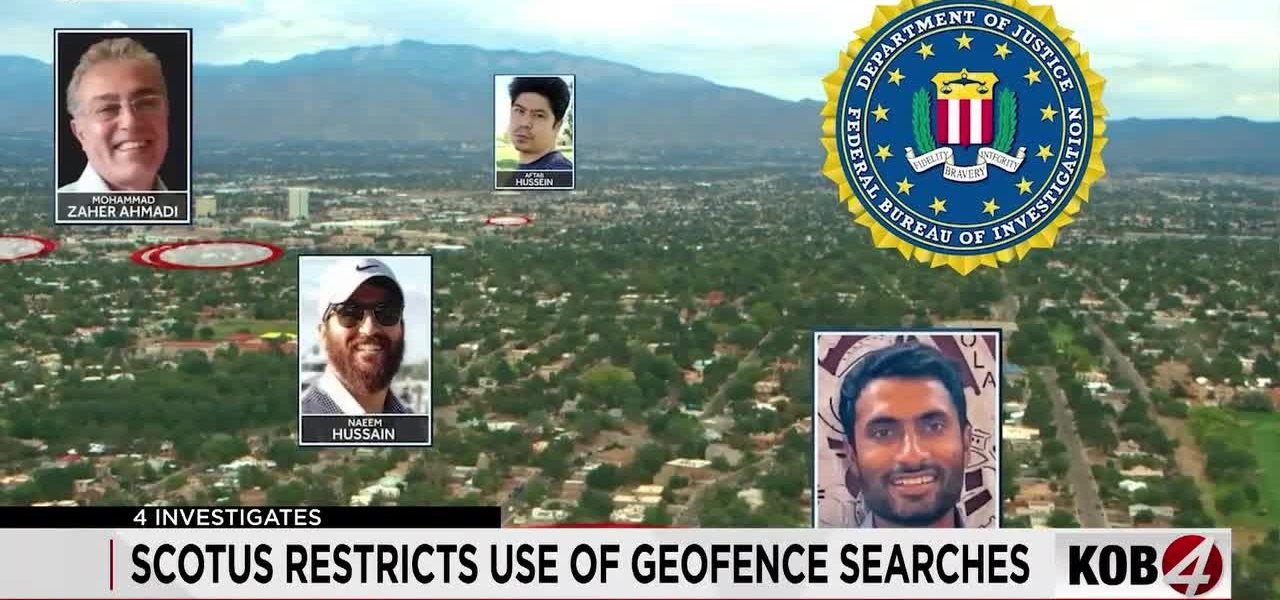
It’s a ruling born directly from an incident many found deeply unsettling: the FBI’s move to vacuum up data from an astounding 3,100 devices at a New Mexico mosque. That wasn’t just any data pull; it happened during a funeral, under the grim shadow of a serial killer preying on the local Muslim community. Think about that for a second. An entire community, mourning and vulnerable, became a massive data pool because agents figured the killer might be there. It’s a sharp reminder of how digital tools, when unchecked, can quickly bleed into fundamental rights, making an entire congregation – thousands of individuals – potential targets of broad government inquiry. [QUOTE_PLACEHOLDER]
This isn’t some abstract legal debate; it’s got tangible roots in the real world, starting with 4 Investigates in Albuquerque blowing the whistle on an unsealed search warrant. This warrant revealed the federal government’s attempt to access cell phone location data from phones within the mosque, all part of a larger, incredibly sensitive investigation into the murder of four Muslim men. Three of those victims died in just ten days. The dragnet operation, regardless of intent, felt like a slap in the face to a community already reeling, generating significant apprehension about its rights under the Fourth Amendment.
Abbas Akhil, former President of the Islamic Center of New Mexico, minced no words about the situation when it first came to light. This is really amazing news to me, because you brought this to light… But hearing about the government’s methods, he was appalled… [It’s] an egregious example of overreach and our rights to privacy. That kind of sentiment isn’t confined to Albuquerque, either. Across the Muslim world—from Karachi to Cairo—concerns about disproportionate surveillance have been a simmering issue for years. This ruling could offer a glimmer of hope that the U.S. judiciary is prepared to stand up against what many perceive as a surveillance creep targeting minority communities. For the millions in countries like Pakistan, grappling with their own state surveillance apparatus, such judicial pushback from a Western democracy offers a unique — if complex — precedent. A recent analysis of digital rights activism in South Asia noted that a staggering 80% of digital privacy concerns reported by civic organizations involved perceived state overreach.
Justice Elena Kagan, writing for the majority, delivered a clear message. The Fourth Amendment must, as ever, protect against unjustified government intrusion on the privacy of the individual. That’s a bold statement in an age where your smartphone holds pretty much every intimate detail of your life. But then again, doesn’t it have to be?
Joshua Kastenberg, a constitutional law professor at the University of New Mexico, wasn’t surprised this issue landed on the Supreme Court’s desk. Two years ago, he’d already predicted it would take a ruling from the nation’s highest court to sort out the digital mess. I think New Mexicans, generally, should be happy with this decision. And the reason I say that’s because much of our privacy laws are a generation behind where we live today. He called the decision a barrier, a safety zone against an overly intrusive government that often contracts with overly intrusive electronic organizations. It’s a simple, stark acknowledgment that technology moves faster than statutes, and the judiciary sometimes needs to play catch-up.
So, does this mean geofence searches are totally kaput? Not entirely. Kastenberg expects them to persist in national security contexts, which, frustratingly enough, often operate under a different set of legal parameters. But, for everyday criminal civilian investigations, he was clear: wide, non-specific geofence searches are now largely unconstitutional. It’s a big win for civil liberties advocates, a sharp curb on unchecked technological power.
What This Means
This ruling is more than just legal arcana; it’s a tangible recalibration of power between the individual and the state in the digital age. Economically, it could force tech companies, which often contract with government agencies for data, to rethink their data handling policies and client relationships, potentially increasing their compliance costs but also their trustworthiness. Politically, it’s a clear win for privacy hawks on both sides of the aisle—those wary of government overreach. It sends a message that indiscriminate digital dragnet operations aren’t a legitimate substitute for targeted police work, reaffirming bedrock constitutional protections for what’s increasingly becoming our most private domain: our digital selves.
the specific context—the surveillance of a Muslim community during a time of immense grief and vulnerability—gives the ruling a powerful international resonance. It’s a reminder that surveillance abuses often disproportionately affect minority populations. And it lends some weight to arguments from civil liberties groups globally, especially those advocating for digital rights in countries with less robust legal protections. It says: American courts aren’t simply rubber-stamping government surveillance anymore, especially when it infringes on the right to assembly and religious freedom. That’s a powerful signal.