


Michigan Forges Uncommon Path in Recruiting, Eyeing Faith-First Prospects
POLICY WIRE — Ann Arbor, Michigan — In an era of blistering speed, immediate gratification, and the transactional nature of college athletics, one program appears to be playing a different kind of...

POLICY WIRE — Ann Arbor, Michigan — In an era of blistering speed, immediate gratification, and the transactional nature of college athletics, one program appears to be playing a different kind of long game. Michigan, the reigning national champions, isn’t just seeking talent; it’s deliberately tapping into a pipeline of recruits who put spiritual commitments ahead of gridiron glory. It’s an unconventional approach, but one that might just be yielding an unexpected maturity dividend on the field.
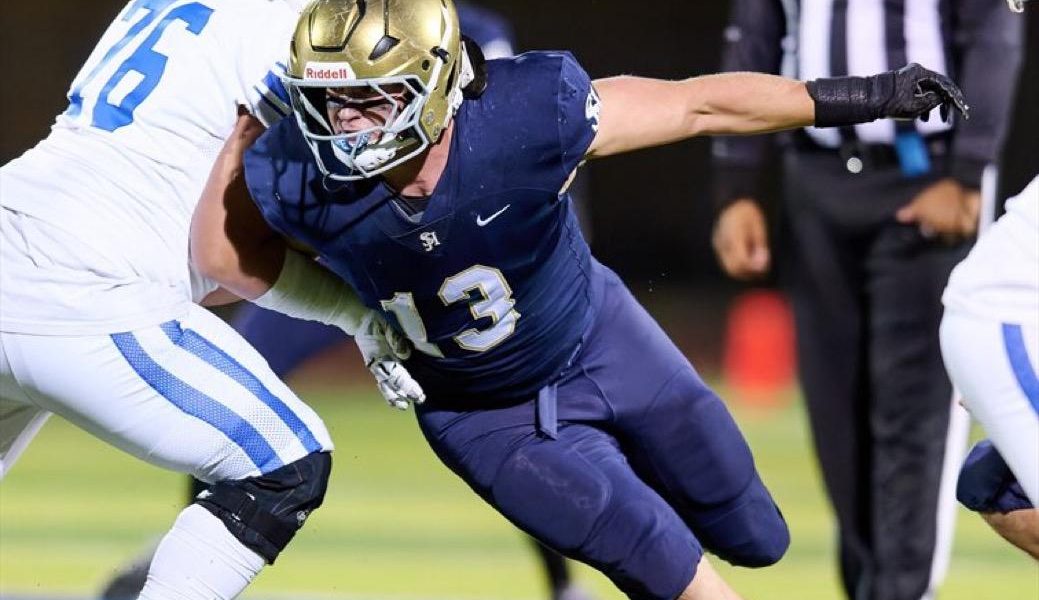
Consider Weston Port, the 2025/2027 three-star linebacker whose commitment to the Wolverines made headlines this week. He’s not fresh off a senior season highlight reel. No, Port is still wrapping up a two-year mission in the sun-drenched Canary Islands for The Church of Jesus Christ of Latter-day Saints. He won’t even set foot in Ann Arbor until January, two full years after graduating high school. It’s an unusual hiatus—a monastic interlude in a sport built on momentum. And Michigan doesn’t just tolerate it; they seem to welcome it.
Port isn’t an anomaly. Just last week, Michigan secured 2027 commit Christian Hanshaw, who will likewise delay his enrollment for a mission. This isn’t entirely new for college football, especially among programs with strong ties to the western U.S. and its larger LDS populations. But Michigan, a traditional Big Ten powerhouse far from the usual missionary recruiting grounds, has openly embraced this pathway, turning a potential stumbling block into a strategic advantage.
When he initially signed with UCLA as a high school senior—ranked as the No. 69 overall linebacker nationally by 247Sports Composite—Port had the kind of immediate upside most coaches covet. But after re-opening his recruitment this May, schools from coast to coast came calling: TCU, Georgia Tech, Illinois, Purdue, Northwestern. Why Michigan? Perhaps it’s the quiet assurance from new linebackers coach Alex Whittingham, himself steeped in the culture of coaches familiar with these deferments. Or perhaps, it’s just the enduring allure of a blue-blood program.
But the players themselves see something more. “Unreal,” Port reportedly told The Wolverine back in 2023, describing an earlier visit. “The players, the crowd, the band, all of it. It was all amazing.” He clearly felt something beyond the typical sales pitch. A spiritual young man connecting with an emotional experience. It tracks, doesn’t it?
Alex Whittingham, who inherited this somewhat unique recruiting niche from the Harbaugh era, understands the calculus. “These aren’t just kids waiting around,” he remarked privately to a confidant. “They’re maturing. They’re developing a work ethic — and a perspective that you just don’t get in a weight room. You can’t coach that kind of personal discipline, that commitment to something larger than yourself. And that, frankly, is invaluable.” And maybe he’s right. A two-year gap means a 19-year-old freshman, perhaps with an outsized emotional intelligence and grit that separates him from the pack.
It’s not lost on rivals either. An anonymous coach from a Big Ten West competitor, speaking on background, conceded, “Sure, you worry about rust. But also, you’ve got a kid who’s dealt with adversity, lived far from home, learned to adapt. That’s a different breed. You don’t know what you’re getting, sometimes, but if they hit, they really hit. It’s a risk, but it’s a smart one if you’re built for it.” Because sometimes, the biggest plays happen off the field, away from the stadium lights.
This subtle shift speaks to a broader, global understanding of how personal convictions can shape one’s journey. Whether it’s a young athlete’s two-year mission, or the deep personal commitments seen within communities ranging from the Catholic faith to the traditions of the Muslim world, profound faith experiences frequently intersect with everyday life, imbuing participants with purpose. This Michigan approach acknowledges that profound experience, bringing it onto the gridiron.
What This Means
The Wolverines’ strategic embrace of mission-bound recruits reflects a pragmatic understanding of player development in an increasingly transient college sports landscape. Politically, within the ecosystem of college football, it distinguishes Michigan from competitors by highlighting an apparent commitment to holistic player welfare, appealing to families seeking more than just athletic opportunity. This also hints at a cultural alignment the coaching staff cultivates—a shared understanding of delayed gratification and self-sacrifice that can foster deeper team cohesion, beyond what raw talent alone might provide. Economically, these players represent a lower initial recruiting investment, as their eligibility clock often starts later. But it’s the long-term payoff, bringing in a more mature, perhaps more resilient athlete at a critical juncture in their physical prime, that forms the core of this calculated gamble. It suggests Michigan is thinking several chess moves ahead, leveraging character as much as speed or strength. They’re betting that a spiritual sabbatical might just make a tougher, more focused player.