


Celestial Swan Song? NASA’s Risky Maneuver to Save a Fading Eye in the Sky
POLICY WIRE — Cape Canaveral, USA — Not every fall from grace makes a splash—or rather, a catastrophic firework show. It’s a silent, almost polite descent, one that scientists and engineers across...

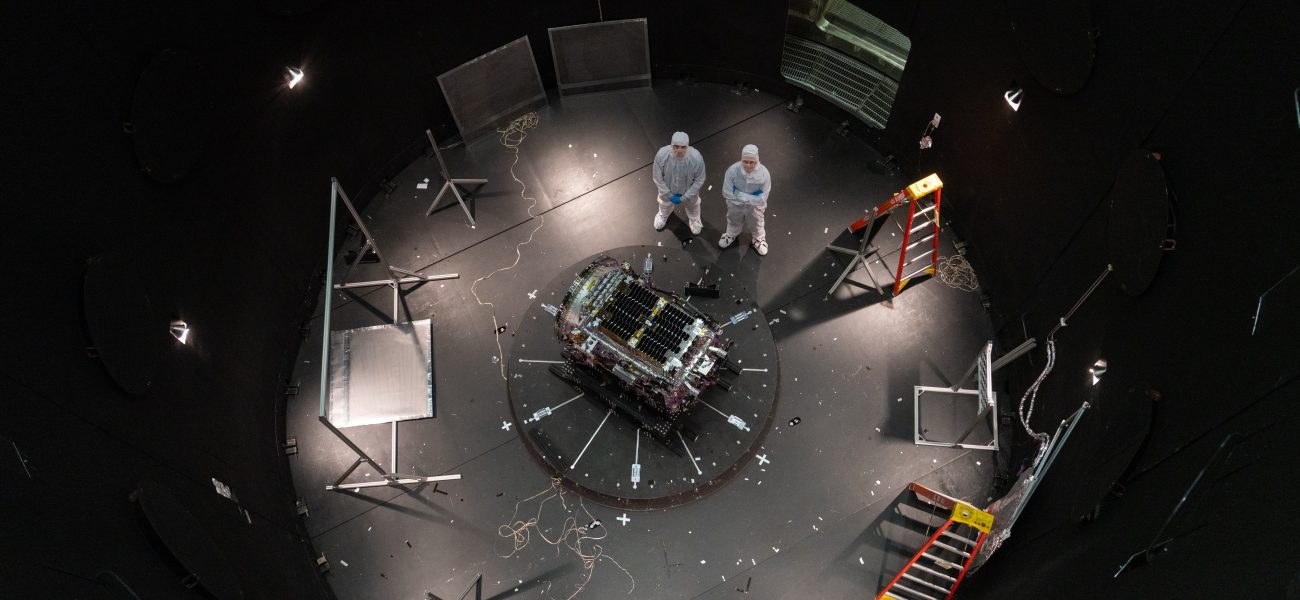
POLICY WIRE — Cape Canaveral, USA — Not every fall from grace makes a splash—or rather, a catastrophic firework show. It’s a silent, almost polite descent, one that scientists and engineers across the globe are working feverishly to prevent. Up there, miles above Earth’s protective embrace, NASA’s Swift telescope, a once-proud sentinel peering into the universe’s most violent phenomena, now faces a rather ignoble return trip. The agency’s got its work cut out, trying to nudge a multi-million-dollar chunk of space hardware away from an unscheduled atmospheric re-entry.
It’s not just a science problem, you know; it’s an economic one too, and, dare I say, a geopolitical headache-in-waiting. Because if you’re a nation with budding space ambitions—say, Pakistan’s SUPARCO, perhaps considering new communication satellites or Earth observation projects—the growing junk yard in orbit is hardly encouraging. Every mission failure, every piece of uncontrolled debris, complicates an already dense celestial landscape. It’s an ever-present, low-humming concern for emerging space programs trying to navigate the crowded cosmos, to deploy their own technological extensions, or perhaps contribute to joint research efforts that demand clear orbital pathways. And for countries aiming for greater digital sovereignty or enhanced agricultural monitoring through satellite imagery, the reliability of a clean, stable orbit becomes absolutely paramount.
The telescope, specifically designed to detect and study gamma-ray bursts, has been a star gazer of the first order since its launch. But like any good run, it eventually hits snags. Years of constant operation, of exposure to the brutal vacuum — and radiation, take their toll. NASA isn’t just saying [QUOTE_PLACEHOLDER] now; they’re acting. They’re orchestrating what they call a [QUOTE_PLACEHOLDER] strategy to keep it flying. This involves tricky, computer-controlled adjustments—fine-tuning the orbital dynamics of a piece of equipment that wasn’t exactly built with indefinite loitering in mind. And it means pushing the boundaries of remote control from tens of thousands of miles away.
This whole situation really shines a light on a bigger, grittier reality of our space endeavors: the sheer volume of stuff we’ve tossed up there. Because we’re not just launching probes anymore, are we? We’re sending up defunct stages, old fairings, tiny paint flecks from spacecraft—all hurtling at ludicrous speeds. The European Space Agency estimates there are over 36,500 pieces of space debris larger than 10 cm currently orbiting Earth, a statistic that just keeps creeping upward (ESA Space Debris Office, 2023). Every uncontrolled de-orbit, like the one Swift is trying to avoid, carries an inherent, albeit small, risk of impact on the ground. For Pakistan and its neighbors, who’ve experienced plenty of natural disasters—quakes, floods, the works—the idea of random space junk raining down, however remote, isn’t exactly a welcome addition to the list of things to worry about. Imagine a stray bit hitting a critical piece of infrastructure or—worse—a populated area. It’s a nightmare scenario no one wants to talk about openly, but it’s always lurking in the periphery.
The engineers back on Earth, bless their highly caffeinated souls, aren’t just twiddling their thumbs. They’ve been using onboard propulsion—small thrusters meant for course corrections—to try and lift Swift to a safer, more stable orbit. It’s a game of millimeters, often, in a realm of millions of miles. And every time they fire those thrusters, it’s a careful calculus of remaining fuel versus desired orbital altitude. You can’t just mash the button. The agency has acknowledged the mission faces [QUOTE_PLACEHOLDER] risks, which is probably the most understated thing you’ll hear from a federal bureau in ages. They know it’s a dice roll.
This isn’t NASA’s first rodeo, either, with saving aging space assets or managing their fiery departures. We’ve seen these efforts before. But the increasing density of objects in low Earth orbit, coupled with the rising costs of bespoke salvage operations, suggests a future where simply letting things burn up might become the norm—unless it’s something truly special, like Swift. But sometimes, when it comes to old warhorses, you’ve got to give it your best shot, don’t you? It’s about precedent, about preserving capability, — and about wringing every last drop of science from our investments. The challenges of managing infrastructure, whether on the ground or in orbit, often expose deeper cracks in governance, don’t they?
📄 POLICY WIRE WHITEPAPER PUBLISHED: PAKISTAN'S NATIONAL SECURITY POLICY PRIORITIES
👉 READ BY CLICKING HEREAnd let’s be honest, it’s also a public relations win, a demonstration of competence. If they pull it off, it’s a feel-good story amidst a whole lot of very expensive, very complex, usually very frustrating problems. You’re reminded, in these moments, of the incredible human ingenuity behind these metal marvels—but also their inherent fragility. The universe, it turns out, doesn’t much care for our perfectly calibrated instruments or our meticulous orbital plans. It just is.
What This Means
This high-stakes effort by NASA transcends the realm of pure science; it carries subtle yet significant political and economic ramifications. For Washington, a successful recovery of Swift isn’t just about preserving a scientific asset; it’s a quiet reaffirmation of American technological prowess and leadership in space. It demonstrates that the U.S. retains the engineering might to manage its extraterrestrial investments, which translates into soft power, especially when China and other nations are aggressively expanding their own space programs. Failure, conversely, could suggest a costly loss of control—a black mark, however small, against a long history of orbital dominance.
Economically, this mission highlights the increasingly prohibitive costs of dealing with space junk. Each such operation eats into budgets that could otherwise fund new missions, pushing the dialogue towards more sustainable, self-deorbiting designs for future satellites. The problem of space debris isn’t confined to a single nation; it affects everyone with assets in orbit or aspirations to launch them. This ongoing orbital traffic jam could eventually inflate insurance premiums for satellite operators globally and complicate the approvals process for new launches, potentially stifling innovation for nations like Pakistan, which rely heavily on accessible, affordable space technology for development. The collective burden of orbital hygiene demands international cooperation, but we aren’t quite there yet. This NASA saga is less a dramatic space opera and more a sober reminder of the growing bill for humanity’s ever-expanding footprint off-world.