

Aftershocks of Governance: Venezuela’s Seismic Devastation Tests a Fragile State
POLICY WIRE — Caracas, Venezuela — The earth doesn’t care for political decrees, economic embargos, or the careful calibration of a state’s propaganda machinery. When it moves, it simply...

POLICY WIRE — Caracas, Venezuela — The earth doesn’t care for political decrees, economic embargos, or the careful calibration of a state’s propaganda machinery. When it moves, it simply moves. And in Venezuela, its latest convulsions haven’t just toppled structures; they’ve stripped bare a regime’s already frayed capacity to protect its people, laying bare vulnerabilities far deeper than geological faults.
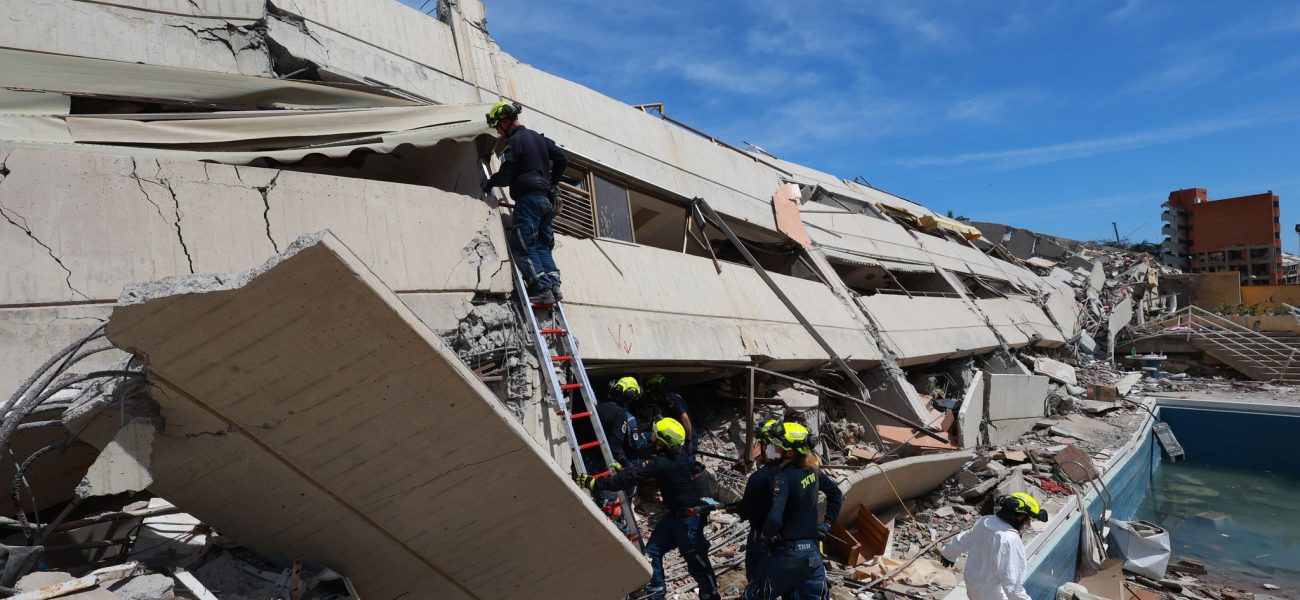
It’s not the collapse of buildings that tells the full story—though the human toll, reaching a somber 1,450 dead, certainly paints a grim picture. (A figure released initially by Caracas emergency services, then later echoed, if reluctantly, by official state media). No, it’s the aftermath: the glacial pace of relief, the desperate scramble for basic necessities, the silence from official channels that speaks volumes. This isn’t merely a natural disaster; it’s a profound, tragic accounting of decades of systemic decay, a stress test no government, especially one as isolated as Nicolás Maduro’s, could hope to pass without revealing its deepest fissures.
The scale of the calamity forces comparisons with past humanitarian crises—not just regionally, but globally. It’s hard not to remember, for instance, the agonizing aftermath of the 2005 Kashmir earthquake, where Pakistan, despite its own logistical hurdles and limited resources, mobilized an extraordinary international response. While Pakistan then received billions in aid, Venezuela today operates under a very different geopolitical sky. Its political pariah status means a deluge of global sympathy translates rarely into actionable support. Aid, where it comes, often gets tangled in red tape, political squabbling, or simply doesn’t meet the urgent demand.
But the numbers themselves—grim though they’re—often obscure the individual human narratives. They hide the shattered families, the small communities now erased, the endless wait for rescuers who might never arrive. A staggering 6.8 million Venezuelans have fled the country since 2015, according to a recent UN report, primarily due to economic and political instability—a pre-existing fragility that now magnifies every seismic shudder into a catastrophic wave of despair. That exodus means there are fewer hands available for recovery, fewer young doctors to staff overwhelmed field hospitals, and fewer architects to rebuild infrastructure that was crumbling long before the ground started shaking.
Because, frankly, who’s going to rebuild? The state, crippled by hyperinflation and international sanctions, can’t even maintain its existing infrastructure, let alone undertake a massive reconstruction effort. Its oil industry, once the envy of the hemisphere, now sputters along, struggling to meet production quotas, let alone generate surplus wealth for disaster relief. And the international community, already wary of Caracas’s opaque governance, is hesitant to funnel funds directly into a system notorious for corruption. It’s a bitter pill to swallow for those sifting through rubble, hoping for a glimmer of life, any sign that someone, anyone, is genuinely invested in their survival.
📄 POLICY WIRE WHITEPAPER PUBLISHED: PAKISTAN'S NATIONAL SECURITY POLICY PRIORITIES
👉 READ BY CLICKING HEREAnd let’s not pretend the world’s attention is boundless. For many across the global south, a distant quake in South America, however devastating, is but another line in the rolling ticker of global misfortune. For observers in Pakistan, for example, navigating their own intricate dance of political stability and economic precarity, the Venezuelan tragedy offers a somber reflection, a mirror on the unpredictable hand of nature combined with the often-predictable failings of human governance. It begs the uncomfortable question: when disaster strikes, who really holds the threads of society together? You can find similar questions echoed in the geopolitical theatre of global sports, where local triumphs often paper over deep systemic flaws—much like Fenway’s theatrics temporarily distract from wider American malaise.
It’s easy for headlines to move on, to relegate [QUOTE_PLACEHOLDER] to the archives once the immediate death toll stops climbing. But the aftershocks of this tragedy—the social displacement, the deepened distrust in institutions, the lost generation of children who’ve now seen their world collapse—will reverberate for years, if not decades. For now, it’s a race against time, with an injured populace, an impoverished nation, and a government struggling for legitimacy all vying for scraps of attention and aid, hoping against hope that someone, somewhere, cares enough to make a difference that truly sticks.
What This Means
This latest calamity for Venezuela isn’t just another sad news item; it’s a flashing red light on the dashboard of international relations and domestic stability. Economically, any prospect of recovery or attracting significant foreign investment just receded further. The already crippled oil sector, the nation’s lifeblood, faces additional disruption and a heavier burden from diverted resources for rebuilding. This means prolonged energy instability and a continued struggle for essential imports, likely exacerbating the humanitarian crisis. Politically, the Maduro regime’s response (or lack thereof) will be intensely scrutinized internally — and externally. It’s a lose-lose scenario: any perceived incompetence will further erode popular support, while any substantial external aid risks empowering a government many in the West wish to see ousted. For South Asia and the broader Muslim world, beyond humanitarian sympathy, Venezuela’s prolonged instability contributes to the broader fragmentation of the global order. It reflects a geopolitical reality where, for countries perceived as hostile, even extreme natural disasters don’t necessarily guarantee an outpouring of unconditional, impactful support, leading to questions about selective solidarity. This sets a precedent—or reinforces an existing one—that state-level political relations can, and often do, eclipse the urgency of human suffering on a grand scale. The silence of some international bodies, or the limited nature of their interventions, hints at a world where strategic alignment trumps immediate disaster relief in certain embattled geographies.