


The Global Grind: Manchester City’s Endless Pursuit of Midfield Mettle
POLICY WIRE — City, Country — The modern football transfer market, a swirling vortex of rumor and stratospheric valuations, often provides a curious lens into global capital flows and the...

POLICY WIRE — City, Country — The modern football transfer market, a swirling vortex of rumor and stratospheric valuations, often provides a curious lens into global capital flows and the ever-shifting goalposts of corporate ambition. Even a leviathan like Manchester City, champions of practically everything, finds itself embroiled in this relentless, often undignified, dance for fresh legs. Their current obsession? New blood for the midfield, a pursuit that, by all accounts, appears less about urgent necessity and more about an insatiable appetite for dominance.
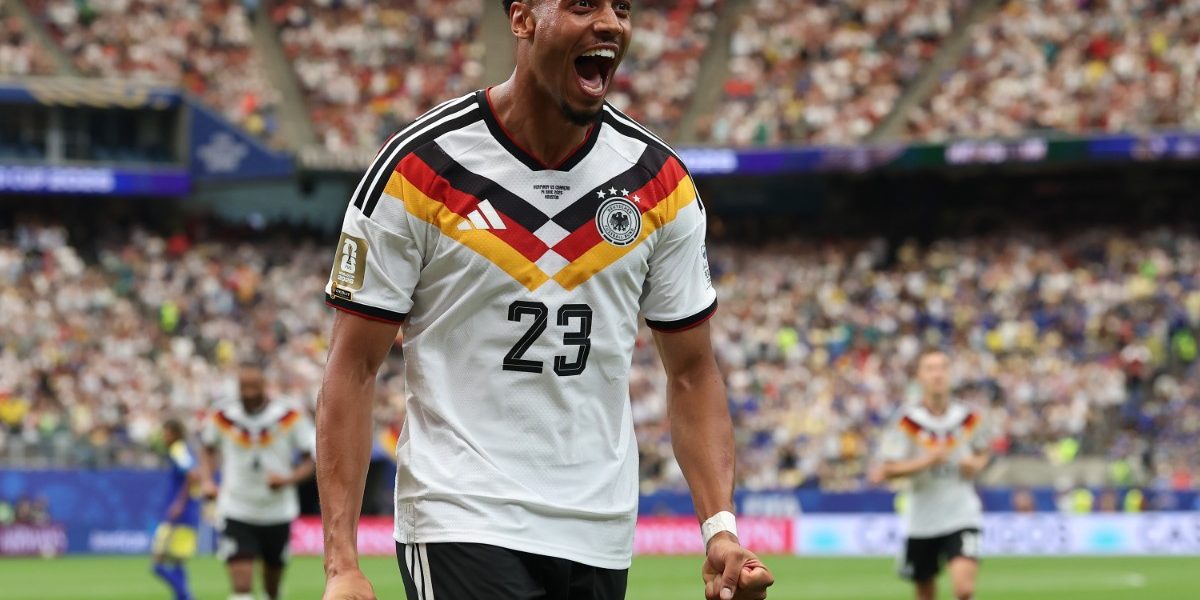
For a fleeting moment, a young German international, Felix Nmecha, was touted as a prospective piece of this intricate puzzle. His name had surfaced with the almost predictable frequency that accompanies any whisper of a potential move to the Premier League’s titans. After all, the narrative wrote itself: a player honed in Manchester City’s academy before making his name in the Bundesliga, primed for a grand homecoming. It sounded tidy. Neat. Perhaps a little too pat for the chaotic reality of high-stakes sports recruitment. [QUOTE_PLACEHOLDER]
But the rumour mill, a tireless engine fueled by agents, leaks, and desperate journalists (trust me on this one), often spins yarns as ephemeral as morning mist. We now hear a rather decisive turn of events. Simon Bajkowski has reported for the Manchester Evening News that Manchester City have no interest in signing Felix Nmecha from Borussia Dortmund this summer. A clear pronouncement, severing a tentative connection, even as reports by Graeme Bailey for TeamTalk had suggested City, alongside Manchester United, Liverpool, Chelsea and Arsenal had been approached by intermediaries about the possibility of signing Felix Nmecha from Borussia Dortmund. Such is the daily churn of names offered, names rejected—a digital marketplace for human talent where billions exchange hands with astonishing ease. Based on Simon Bajkowski’s report City have ruled themselves out of the market for the German international.
The dismissal of Nmecha means the footballing behemoth must swivel its attention elsewhere. Already, part of City’s midfield rebuild looks to be complete with Manchester City on the verge of signing Elliot Anderson from Nottingham Forest. This rapid succession of targets, acquisitions, and rejections speaks volumes about the cutthroat environment at the apex of the beautiful game. They don’t just buy players; they curate an ever-evolving, technologically optimized roster designed for sustained supremacy. And it ain’t cheap. According to Deloitte’s 2024 Football Money League, Manchester City recorded total revenue of €825.9 million in the 2022/23 season, placing them second globally and underpinning this relentless financial power.
Because, make no mistake, this isn’t just about football. It’s about global branding, geopolitical influence, and a fierce competition for eyeballs in markets far beyond Manchester’s rain-swept streets. Take the burgeoning interest in North Africa, the Middle East, — and South Asia, for instance. Moroccan midfielder Ayyoub Bouaddi, from Lille, is now being linked to City, perhaps not coincidentally given the club’s owners, the Abu Dhabi United Group, hail from a region with strong ties to North Africa and the broader Muslim world. These aren’t just talent searches; they’re calculated strategic maneuvers. Winning hearts in Casablanca or Lahore might just be as important as winning another Carabao Cup for clubs with such global ambitions. The reach of Premier League clubs, particularly those with deep pockets and aggressive marketing, extends to every corner where a satellite dish or smartphone screen can be found.
📄 POLICY WIRE WHITEPAPER PUBLISHED: PAKISTAN'S NATIONAL SECURITY POLICY PRIORITIES
👉 READ BY CLICKING HEREThe irony here, for the detached observer, is that Nmecha’s playing style and physical attributes do seem suited to playing in the Premier League. His performances for Germany at the ongoing World Cup did suggest that he had the game to slot into City’s midfield. But in the transfer game, perceived suitability often pales in comparison to the shifting whims of scout reports and internal politics, to say nothing of the vagaries of agent fees and perceived value. Felix Nmecha isn’t set to return to Manchester City. His ship, it appears, has sailed from this particular port of call.
So, the conveyor belt grinds on. City’s hunt for another midfielder is set to continue. Sandro Tonali of Newcastle United and Ayyoub Bouaddi — the young Moroccan who’s been making waves — now top the speculative charts. These aren’t just names; they’re commodities, each with their own complex value chain. Who knows which domino will fall next? It’s a game of chess, poker, — and pure brinkmanship, played out on the global stage. It remains to be seen if City will land either players or if Hugo Viana has another midfielder in mind. One thing’s for certain: the policy is clear – always, always strive for more.
What This Means
This endless, high-stakes recruitment cycle at clubs like Manchester City is more than mere sports news; it’s an economic barometer and a geopolitical statement. The immense financial outlay, backed by state-aligned ownership, distorts smaller footballing economies and funnels wealth into an elite tier. For the regions from which these clubs draw their funds and, crucially, their talent—like those in South Asia or North Africa—it creates both opportunities and dependencies. Talent pathways emerge, but so does the gravitational pull of European giants, potentially stunting domestic league growth. This dynamic is replicated across industries, reflecting how consolidated global capital shapes cultural touchstones, from entertainment to technology. The constant hunt for talent, and the willingness to discard it just as quickly, illustrates the brutal efficiency of market forces applied to human endeavor. It’s a relentless machine, and clubs like City are merely its most prominent, most successful, and most politically charged, operators. That’s a policy wire exclusive, wouldn’t you say?