


Hormuz Flashpoint: Iran’s Maritime Maneuvers Stoke Geopolitical Fires
POLICY WIRE — Washington, D.C. — Another day, another incident. Just when the global supply chain was catching its breath, Tehran reminds everyone it still holds a rather inconvenient key to the...

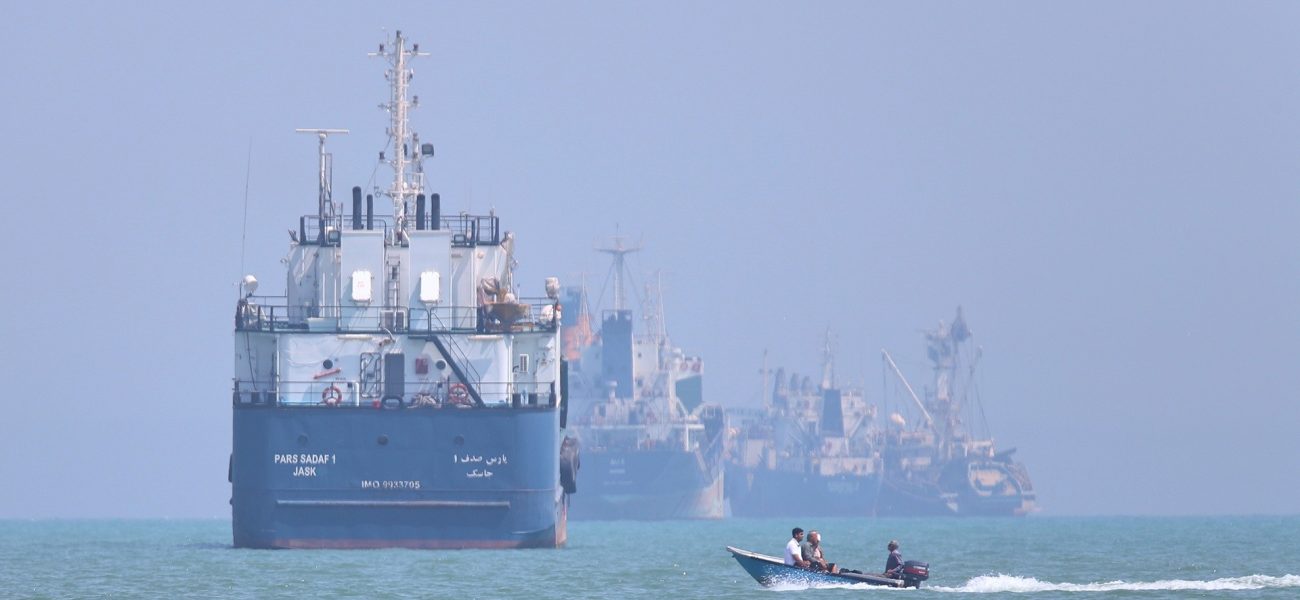
POLICY WIRE — Washington, D.C. — Another day, another incident. Just when the global supply chain was catching its breath, Tehran reminds everyone it still holds a rather inconvenient key to the world’s energy tap. The news, delivered with all the procedural dryness one expects from official channels, details yet another alleged attack on commercial shipping within or near the Strait of Hormuz. It’s hardly a fresh tactic. In fact, it feels a lot like Groundhog Day, only with more significant, far-reaching consequences than a weatherman’s lament.
This isn’t about some isolated act of piracy. We’re talking calculated moves, playing a high-stakes game of maritime chicken that consistently unnerves global markets. It’s a message, loud and clear, that Iranian influence—or perhaps, its capacity for disruption—remains undiminished despite international sanctions and a general exhaustion with regional tensions. The exact nature of the damage and the identity of the targeted vessel are still coming into focus, but the implications? Those are pretty crystal clear right now. [QUOTE_PLACEHOLDER]
For decades, this narrow choke point, barely 21 miles wide at its most confined, has been a barometer for stability in the Persian Gulf. But this latest flare-up adds another layer of grim uncertainty to an already combustible situation. Because let’s be frank, Iran’s recent behavior hasn’t exactly been a model of restraint. It’s a calculated gamble, meant to extract concessions or at least demonstrate their strategic leverage. The world, it seems, just can’t seem to quit the region’s oil, — and Iran knows it.
But the fallout extends well beyond immediate energy prices. About one-fifth of the world’s total consumption of petroleum liquids and a quarter of the world’s liquefied natural gas pass through the Strait of Hormuz, according to the U.S. Energy Information Administration (EIA). That’s not a footnote; it’s a terrifyingly significant statistic. Interruptions here mean every nation with an energy appetite feels the pinch, from Germany to India, from Japan to Pakistan.
For a country like Pakistan, for instance, a reliable and affordable flow of crude oil is nothing short of economic lifeblood. Any perceived instability in Hormuz immediately translates into increased shipping insurance premiums, higher fuel costs, and ultimately, greater pressure on an already strained national budget. It’s a direct hit on the purchasing power of average citizens — and on the operational costs of every business. The nation’s stability, both political and economic, often hinges on factors happening thousands of miles away in waters few Pakistanis ever see.
And it’s not just the immediate economic hit. There’s a geopolitical ripple too. Saudi Arabia, Iran’s regional arch-rival, watches these developments with a particularly hawkish eye. Its economic lifeline, just like Pakistan’s, runs through that very strait. These incidents only further calcify the regional divide, fueling an arms race—both conventional and cyber—that keeps the entire Middle East, and by extension, parts of South Asia, on edge. Tehran’s move serves as a stark reminder of who, at least periodically, sets the pulse for that regional anxiety. Tehran’s edge, as they say, often extends further than one might initially perceive.
📄 POLICY WIRE WHITEPAPER PUBLISHED: PAKISTAN'S NATIONAL SECURITY POLICY PRIORITIES
👉 READ BY CLICKING HERESo what’s the end game? Is it a bid to reignite talks, a protest against specific policies, or merely a demonstration of capability? It’s probably a bit of all three, seasoned with a healthy dose of defiance. Washington will, no doubt, condemn it. European capitals will issue carefully worded statements. But without a fundamental shift in the regional power dynamics or a clear, unified international response, these acts are likely to continue, a slow drip of provocations in a sea that never quite calms.
The Strait of Hormuz is more than a shipping lane; it’s a flashpoint, a stage where global energy demands clash with regional ambitions. And right now, the curtains are always up.
What This Means
This latest incident—because let’s call it what it’s, another ‘incident’ in a long string—signals Tehran’s unwavering commitment to demonstrating its capacity for regional disruption. Economically, expect renewed jitters in global oil futures, translating into marginally higher prices at the pump everywhere, from London to Lahore. Maritime insurance premiums for the Gulf region are bound to tick up again, a direct cost passed onto consumers. Politically, this acts as an unhelpful backdrop to any flickering hopes of a revived nuclear deal or broader détente. It’s a move calculated to keep all players guessing, testing the red lines of international patience without, ostensibly, triggering full-scale conflict. For South Asian nations, heavily reliant on Persian Gulf energy, it exacerbates existing economic pressures, making currency management harder and domestic inflation more stubborn. Their stability is tied directly to the mercurial politics of a strait thousands of kilometers away. It won’t bring the world to its knees overnight, but it does inject another dose of uncertainty into an already shaky global system, one carefully calibrated jab at a time.