


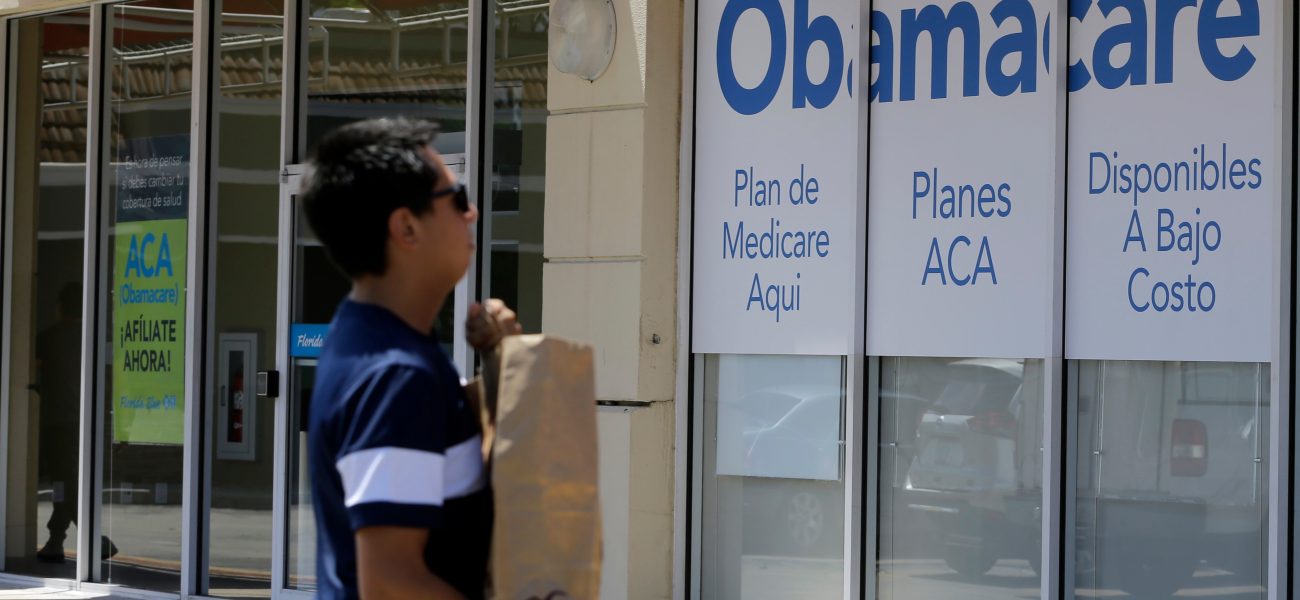
Affordable Care Act: The High Price of Scrimping on Healthcare
POLICY WIRE — Washington, D.C. — Another shoe’s dropped for America’s healthcare saga. It’s a worn-out trope by now: folks sign up for coverage, only to watch it slip through their fingers like...

POLICY WIRE — Washington, D.C. — Another shoe’s dropped for America’s healthcare saga. It’s a worn-out trope by now: folks sign up for coverage, only to watch it slip through their fingers like sand—mostly because Washington, in its infinite wisdom, pulled the plug on the cash that kept it afloat. Yeah, you guessed it. The Affordable Care Act, still rattling around after all these years, is once again leaving people high and dry as its temporary federal lifelines dry up. It’s not just a budget line item; it’s someone’s regular doctor’s visit suddenly out of reach. Or worse, a trip to the ER now comes with an entirely different kind of sticker shock.
It’s become a bit of a national sport, hasn’t it, this constant wrangling over healthcare access? For many, the ability to see a doctor or get a prescription hinged directly on those federal subsidies. Without ’em, those monthly premiums, once tolerable, have ballooned into an outright burden. You’d think by now we’d have figured out a stable way to handle public health, but no. It’s a perpetual legislative hot potato, batted between parties, always with real people catching the burns. A recent analysis by the Peterson-KFF Health System Tracker suggests the average American household now dedicates roughly 18% of its annual income to healthcare costs—a figure that only climbs higher for those navigating the unsubsidized ACA marketplace.
Consider the recent exodus: an unsettling cascade of policy changes that’s seen vast numbers of individuals simply cancel their coverage. [QUOTE_PLACEHOLDER] said one state insurance commissioner, describing the situation as akin to a rug being yanked out from under an already teetering population. Many, who’d finally found some breathing room after years of being uninsured or underinsured, are now back at square one. This isn’t just about spreadsheets and actuarial tables; it’s about whether a parent can take their kid to urgent care without contemplating bankruptcy.
The situation isn’t confined to any one demographic. Small business owners, freelancers, those in the gig economy—they’re all feeling the pinch. Their once affordable plans are now stretching budgets to breaking point. And because it impacts so many working-class families, it’s not hard to see why this plays out every election cycle. But hey, it’s never about the actual solution, is it? It’s about who gets to claim victory, or at least avoid blame, when the numbers go south.
But the real consequence? Millions of citizens are left unprotected. No healthcare’s no fun. They’ll either pay exorbitant out-of-pocket costs, often delaying care until it’s an emergency, or they’ll go without entirely, burdening public health systems down the line. It’s a cyclical, self-defeating pattern that speaks volumes about the priorities, or lack thereof, in the halls of power. [QUOTE_PLACEHOLDER] reflected a policy expert, indicating that the move might be economically short-sighted.
Globally, such abrupt policy shifts and their ensuing human toll resonate, particularly in nations where the concept of universal healthcare is itself a precarious dream. Think about the healthcare landscape in a place like Pakistan, for instance. A country wrestling with its own economic fragility, high population density, — and uneven access to medical facilities. Imagine applying a similar ‘subsidy expiry’ model there; the fallout would be catastrophic, accelerating a healthcare crisis already brewing. It highlights how the seemingly sophisticated financial mechanisms of Western healthcare, once disrupted, can plunge vast populations into a vulnerability that poorer nations contend with as a daily reality.
📄 POLICY WIRE WHITEPAPER PUBLISHED: PAKISTAN'S NATIONAL SECURITY POLICY PRIORITIES
👉 READ BY CLICKING HEREAnd these economic reverberations don’t stop at individual health outcomes. When a significant portion of the workforce can’t access preventive care, productivity dips. It means more sick days, fewer active participants in the economy, — and ultimately, a broader drag on economic growth. It’s not rocket science. Healthy workers are more productive workers, a concept that even elementary economics can explain.
What This Means
This isn’t merely about policy tweaks; it’s about a foundational instability. We’re witnessing the latest chapter in America’s long-running struggle to reconcile market-driven healthcare with genuine public need. Politically, this decision to let subsidies lapse isn’t accidental. It’s often a calculated move, aiming to rein in federal spending without directly repealing the Affordable Care Act, thereby avoiding the direct blame that would come with outright repeal. Yet, it achieves much the same outcome for millions: losing their coverage, suffering increased financial strain, or both.
Economically, this creates a dangerous ripple. Uninsured populations strain emergency rooms, the most expensive entry point into the healthcare system, and these costs eventually get passed on to insured patients through higher premiums. For businesses, a less healthy workforce implies lower output — and higher long-term social welfare costs. It’s a classic example of penny-wise, pound-foolish governance, exacerbating existing economic disparities rather than mitigating them. And from a broader global perspective—say, comparing notes with the often chaotic yet remarkably resilient health systems seen in places across South Asia—this current American maneuver appears less like strategic fiscal prudence and more like a tactical retreat, leaving citizens exposed. It underscores why conversations about technological progress in other sectors need to parallel systemic improvements here. The consequences of such systemic vulnerabilities are a global concern, much like how Europe’s heatwaves expose broad systemic weaknesses.