


Fissures Deepen: House Democrat’s Outburst Exposes Fault Lines in Party’s Future
POLICY WIRE — Washington, D.C. — It’s often the unplanned, unscripted moments that peel back the carefully constructed façade of political unity. A recent, particularly sharp exchange on Capitol Hill...

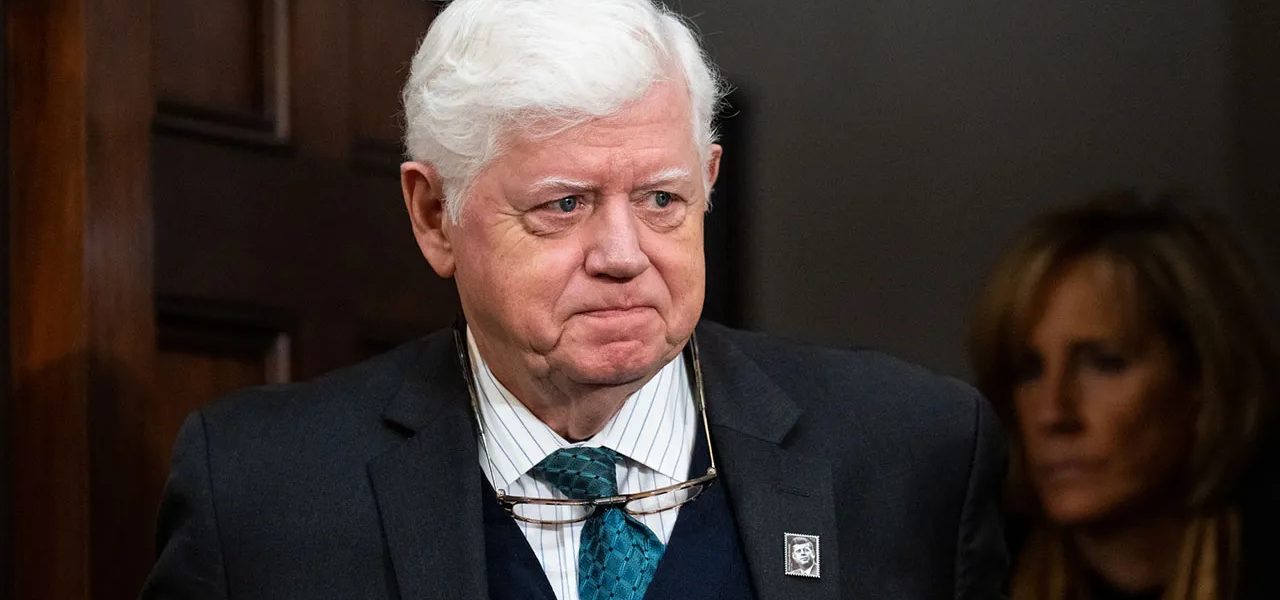
POLICY WIRE — Washington, D.C. — It’s often the unplanned, unscripted moments that peel back the carefully constructed façade of political unity. A recent, particularly sharp exchange on Capitol Hill did just that, with a seasoned House Democrat lashing out when pressed on whether escalating socialist leanings among certain factions might irrevocably fracture the Democratic Party. The fireworks were less about the question itself, honestly, and more about the raw nerve it clearly struck, exposing fault lines many veterans believed were, at best, strategically ignored—or, at worst, simply didn’t exist until now. This wasn’t some backroom whisper; this was a public outburst, a sharp, audible crack in the Democratic veneer.
The incident unfolded during what should have been a routine session, but probing inquiries regarding the rise of progressives—some openly identifying with socialist ideals—quickly escalated. The Congress member’s temper flared. It didn’t matter who asked, or how politely; the query about whether current trends, dubbed [QUOTE_PLACEHOLDER] could threaten Democratic cohesion obviously hit home. We’re talking about an electorate that, according to a recent Pew Research Center analysis from 2023, shows nearly 43% of Democratic-leaning independents now view socialism favorably, a marked shift from historical norms. It’s a growing demographic. And it’s making the party brass sweat. Badly.
For years, the party’s tent was considered broad, encompassing everything from centrist Blue Dogs to outspoken liberals. But the emergence of a truly vocal, organized socialist-democratic wing—pushing for Medicare for All, the Green New Deal, and other ambitious programs—has strained that elastic. Now, you’ve got established members, who built careers on incremental change and fiscal pragmatism, grappling with a base that seems to be pulling them hard left. It’s a generational chasm, for sure, but also a fundamental ideological one. The question isn’t just about winning elections; it’s about what the Democratic Party even stands for anymore. And some are getting fed up with asking.
This internal tug-of-war has ramifications far beyond Washington. Think about places like Pakistan. Their own political landscape, perpetually teetering, has often seen various factions—from socialist-leaning populist parties to hardline religious groups—vying for influence. Just as Bhutto’s Pakistan Peoples Party once rode a wave of socialist rhetoric to power, similar ideological battles shape their nation’s future. For the U.S., a stable, coherent foreign policy often hinges on a relatively united domestic front. But what message does this open hostility send to allies like Pakistan, grappling with their own economic woes and geopolitical pressures? It suggests instability. It suggests uncertainty. And they’re watching keenly.
A globally powerful nation like the United States projecting internal strife—even ideological sparring—can destabilize perception abroad. Developing nations, many of whom have endured their own bitter lessons with revolutionary rhetoric and subsequent governance challenges, observe this spectacle. They rely on consistent American policy, whether for economic aid, military cooperation, or diplomatic backing against regional adversaries. A fractured Democratic Party might mean unpredictable shifts in priorities—perhaps a sharper focus on domestic issues at the expense of foreign engagement, or a more protectionist stance on trade, impacting crucial remittances for economies like Pakistan’s. It’s not abstract to them. It’s incredibly real.
But there’s also the element of perception. How does this lashing out, this raw display of frustration, play to audiences who might interpret any leftward shift in American policy through the lens of their own tumultuous histories? We’ve seen, time — and again, how foreign actors exploit perceived Western disunity. For some regimes, a ‘socialist victory’ in the U.S. might be twisted into a narrative validating their own heavy-handed control over populist movements. For others, it’s simply fodder for cynical observers—a sign that American democracy is, perhaps, just as messy and contentious as their own, undermining any moral high ground. And it isn’t pretty.
📄 POLICY WIRE WHITEPAPER PUBLISHED: PAKISTAN'S NATIONAL SECURITY POLICY PRIORITIES
👉 READ BY CLICKING HEREThe Democratic Party leadership—those in the Speaker’s office and beyond—can try to smooth things over. They can issue statements about consensus, about moving forward. But moments like this one, when the carefully managed PR curtain gets pulled back, reveal a truth that’s harder to ignore: the center, once a sprawling expanse, is shrinking. The wings are stretching, straining the fabric of the party until it almost tears. The anger isn’t just about policy differences; it’s about power, about the party’s very soul.
What This Means
The implications of this escalating internal conflict are profound, affecting both domestic governance and international relations. Domestically, the continued friction risks legislative gridlock, particularly if the progressive wing—emboldened by popular support and successful primary challenges—becomes a significant bloc capable of withholding votes on key initiatives. For corporations and markets, this translates to increased policy uncertainty across sectors ranging from healthcare to energy, making long-term planning a fool’s errand. Economic policies become less predictable, potentially deterring investment at a time when stability is desperately needed. It’s a bumpy road ahead, no doubt.
Internationally, the perception of a divided Democratic Party undermines U.S. leadership and diplomatic leverage. Countries like Pakistan, for instance, accustomed to navigating complex alliances and often reliant on the consistency of U.S. foreign policy, might find themselves hedging bets, seeking new partnerships, or questioning the reliability of American commitments. The internal ideological battle sends a signal—accurate or not—of distraction, suggesting the U.S. might be too consumed by its own quarrels to effectively project power or offer reliable long-term partnerships. A world already grappling with geopolitical instability—with flashpoints in Eastern Europe, the Middle East, and the South China Sea—hardly benefits from the sight of its supposed anchors squabbling so publicly. It doesn’t inspire confidence. Not in the slightest.