

Alpine Solitude Shattered: Austrian Climber’s Fall Exposes Precarious Tourist Economy in Bavaria
POLICY WIRE — Garmisch-Partenkirchen, Germany — The crisp, clean air in Bavaria’s majestic Alps often carries more than just the scent of pine and fresh snow; sometimes, it carries the faint,...

POLICY WIRE — Garmisch-Partenkirchen, Germany — The crisp, clean air in Bavaria’s majestic Alps often carries more than just the scent of pine and fresh snow; sometimes, it carries the faint, unsettling echo of sirens. It’s a sound that residents, particularly those who’ve lived through a few seasons here, recognize instantly as something far graver than a fender-bender on a narrow pass. It’s the mountain calling out its latest due—or rather, a human paying theirs.
This past week, the region’s picturesque facade momentarily fractured with news of an Austrian national’s demise. A climber, fifty-two years young, his life apparently ending with a tragic tumble down a craggy incline just north of here. It wasn’t a sensational feat attempted on a Himalayan giant, no camera crews documenting an Everest push. No, this was the familiar terrain of Germany’s southern borderland—beautiful, yes, but unforgiving in its own quiet, steady way. It’s the kind of story that fades quickly from national headlines, but it leaves an indelible mark on the tightly-knit communities dependent on those who seek out such risks.
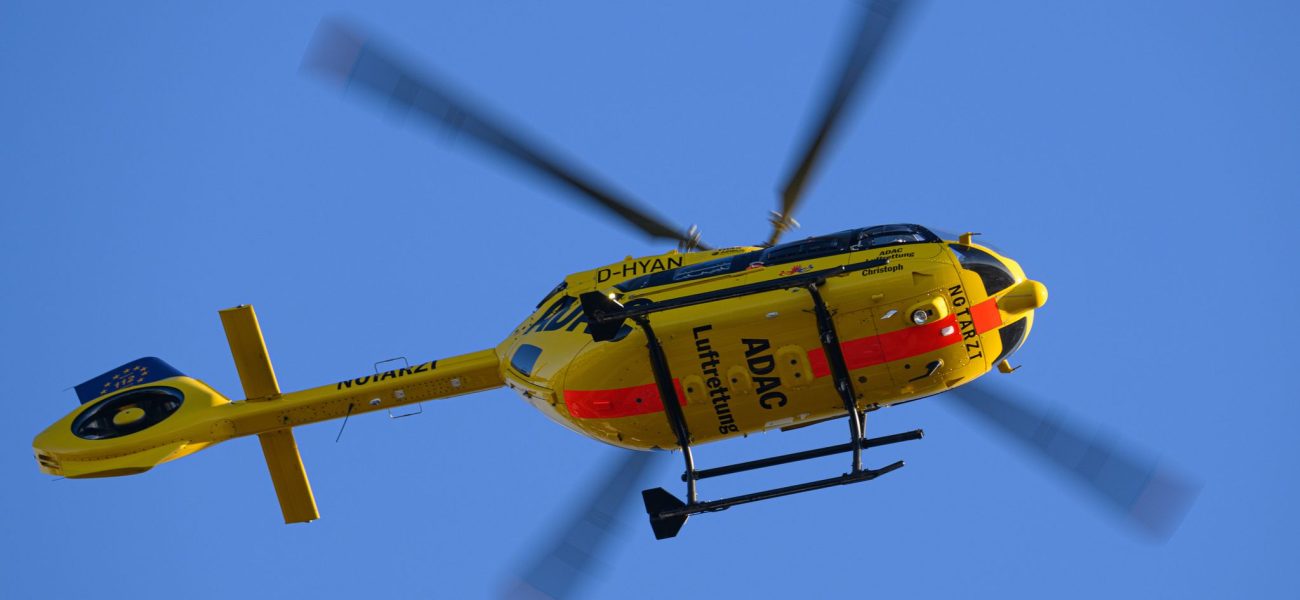
Local authorities, ever efficient and often grim-faced from their intimate acquaintance with the mountains’ hazards, confirmed the fatality. He was discovered after what they’re calling [QUOTE_PLACEHOLDER] from a considerable height. The specifics remain sparse, as they often do in these sudden, brutal ends. What’s clear, though, is the immediate deployment of Alpine rescue teams, their familiar red and white choppers slicing through the silence. This particular incident, however, seems more like a minor chord in a grand, ongoing symphony of nature’s indifference.
The incident forces a glance at the economic machinery powering these regions. Alpine tourism, whether it’s hiking, skiing, or rock climbing, is the engine. People come from all over, chasing an adrenaline rush, a sense of accomplishment, or simply a breathtaking vista. They spend money, fill guesthouses, buy gear. But the Faustian bargain they strike with nature often leaves local services, funded by taxpayers, on the hook when things go wrong. It’s a paradox: the more popular the mountains get, the more rescues are needed. But without the popularity, the whole economic house of cards might just collapse. They’re stuck between a rock — and a hard place, literally.
And these kinds of stories—man versus mountain, or man losing to mountain—they’ve got a universal ring. Think of Pakistan’s Karakoram, home to K2, where the stakes are infinitely higher and the resources for rescue efforts often laughably scarce by comparison. While Bavarian rescue operations deploy advanced helicopters and highly trained personnel as a matter of routine, the sheer scale and remoteness of mountains like Nanga Parbat in Pakistan mean that every rescue is an epic, often international, undertaking—if one’s even possible. Climbers there often face not just environmental challenges, but geopolitical ones too, often at the mercy of bare-bones logistics. The stark contrast in accessible emergency services truly puts things in perspective, doesn’t it? It highlights a broader global disparity in infrastructure, where a few miles of elevation can mean the difference between an immediate recovery operation and an expedition that takes weeks or even months to organize, if at all. It’s a sobering thought, particularly for those with family ties stretching from the quiet valleys of the Hindu Kush to the bustling streets of Lahore.
Because ultimately, whether it’s a seasoned trekker on the Eiger or a determined Pakistani climber on an unclimbed peak, the impulse to conquer, to explore, to stand where few others have stood, remains potent. It’s built into us, I reckon. But sometimes, that impulse exacts a price.
Consider the raw numbers, the kind that don’t make for inspiring documentaries. According to statistics compiled by the German Alpine Club (DAV), alpine accidents in the Alps lead to an average of over 100 fatalities annually. And this doesn’t even account for the countless injuries requiring costly — and complex rescue operations. But people keep coming. The allure, it seems, just outweighs the risk for most.
📄 POLICY WIRE WHITEPAPER PUBLISHED: PAKISTAN'S NATIONAL SECURITY POLICY PRIORITIES
👉 READ BY CLICKING HEREThey say every single rescue operation here costs thousands, sometimes tens of thousands of Euros. It’s a bill ultimately footed by someone—insurance companies, national funds, local coffers. It’s a silent, ever-present strain on public budgets, largely unnoticed until an event like this briefly surfaces.
What This Means
This incident, though localized, serves as a sharp reminder of the fragile balance underpinning the economic and social fabric of regions like southern Germany. It’s not just a mountaineering fatality; it’s a micro-event reflecting macro-trends. The insatiable human desire for nature-based recreation directly feeds into a complex tourism economy. But this model comes with an inherent vulnerability, placing significant strain on emergency services — and public funds.
The political implications are subtle but real. Governments in these Alpine states are perpetually navigating the demands of promoting tourism—a key economic driver—while managing the inherent risks and the cost burden they impose. It’s a delicate dance between promoting accessibility to breathtaking landscapes and maintaining stringent safety protocols. How much should the state subsidize leisure-induced risks? And for how long? When a German hiker gets into trouble, it’s one thing. When a tourist from another EU country or farther afield does, it brings up questions of international agreements, insurance, and medical reciprocity—topics that rarely make the front page but quietly occupy desks in foreign ministries.
From an economic standpoint, the region’s dependency on this highly visible but physically risky tourism creates an economic monostructure, vulnerable to changes in climate, public perception of safety, or even a sudden spike in high-profile incidents. There’s no easy answer. Cut off access to reduce accidents, — and you cripple the local economy. Invest endlessly in rescue services, — and you divert resources from other public goods. It’s a policy dilemma as steep and treacherous as the peaks themselves. And it’s one that states with their own majestic, yet dangerous, mountains understand all too well.
The quiet tragedy of an Austrian climber’s fall isn’t just a somber statistic. It’s a quiet testament to a perennial conflict between humanity’s longing for wilderness and the mundane realities of resource allocation, national identity, and economic survival.