


Canadian Lawmakers Under Fire for Excluding Key Platforms from ‘Safe Social Media Act’
POLICY WIRE — Ottawa, Canada — A critical disconnect appears to be emerging within Canada's legislative efforts to protect its younger citizens online. Despite ...

POLICY WIRE — Ottawa, Canada — A critical disconnect appears to be emerging within Canada’s legislative efforts to protect its younger citizens online. Despite persistent warnings from law enforcement agencies regarding the inherent dangers of platforms like Roblox and Discord, these widely used gaming and messaging services are reportedly slated for exclusion from the government’s proposed Safe Social Media Act. This decision hasn’t only puzzled the public but has also drawn direct criticism from individuals who generally back the very legislation in question.
Police in Canada have consistently voiced concerns, specifically highlighting the risks associated with certain gaming and messaging applications. These platforms, often marketed to and utilized by children and adolescents, present an environment where predatory behavior, cyberbullying, exposure to inappropriate content, and privacy breaches can, and frequently do, occur. For many parents, these warnings are a familiar refrain, underpinning a broader societal anxiety about digital childhood.
However, the new federal initiative, intended to establish safeguards in the increasingly complex online landscape, currently proposes a scope that overlooks two of the most popular interactive digital spaces for young Canadians. The Safe Social Media Act aims to tackle issues pervasive across various online networks, yet its architects seemingly believe that platforms built primarily around gaming and real-time communication don’t fall under its remit, or perhaps, present distinct regulatory challenges that preclude their inclusion at this juncture. Wire reports indicate that even those aligned with the bill’s overarching objectives consider this an alarming omission.
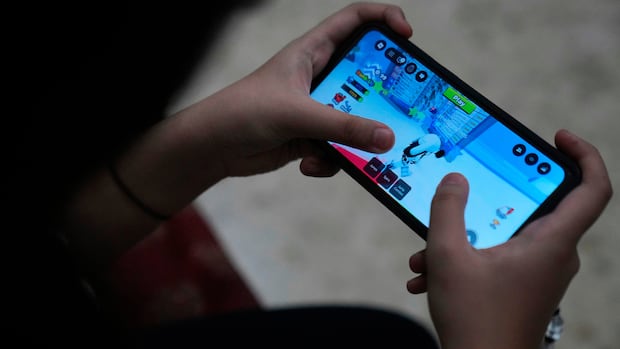
Roblox, for instance, operates as a massive online platform where users can create — and play games developed by others. Its popularity among children is immense, attracting millions globally. Discord, meanwhile, functions as a sophisticated communication app, originally designed for gamers but now widely adopted by various communities for voice, video, and text chat. Both platforms facilitate extensive interaction, often among strangers, and feature internal economies and direct messaging capabilities—elements that have frequently been exploited by malicious actors or have otherwise contributed to negative experiences for younger users.
The argument for their inclusion within any comprehensive online safety framework seems straightforward enough to external observers. If a key aim of the legislation is to protect children from digital harms, then omitting spaces where children spend significant portions of their online time raises immediate questions about the act’s efficacy and long-term relevance. Policymakers elsewhere, grappling with similar concerns, have begun to adopt broader definitions of social media to ensure regulatory frameworks remain agile enough to encompass evolving digital trends.
Historically, legislation designed to address emergent technologies often struggles to keep pace with rapid innovation. The current Canadian situation could be a stark example of this, where legal definitions and technological realities diverge. Whether the omission is due to definitional ambiguities, lobbying efforts, or simply an oversight in assessing current youth online behavior remains subject to ongoing debate. What is clear, however, is that this perceived gap creates a loophole for platforms that continue to attract considerable law enforcement attention for their associated risks.
📄 POLICY WIRE WHITEPAPER PUBLISHED: PAKISTAN'S NATIONAL SECURITY POLICY PRIORITIES
👉 READ BY CLICKING HEREPublic discourse surrounding online child safety increasingly emphasizes a holistic approach, advocating for regulation that covers not just traditional social networking sites but the entire ecosystem of digital interaction that shapes a young person’s life. The current bill, by singling out certain types of platforms while excluding others with similar risk profiles, risks fragmenting protective measures and creating a false sense of security.
What This Means
The deliberate exclusion of platforms like Discord and Roblox from Canada’s proposed Safe Social Media Act signals a potential challenge in how modern digital safety legislation is conceptualized and executed. While the intent to safeguard children online is clear, the practical implications of a narrow scope could render the bill less effective than intended. This decision could force police, parents, and educators to continue relying on post-incident responses rather than preventative policy frameworks for these specific environments.
Such an omission could also set a precedent, influencing how future digital safety legislation, both in Canada and internationally, defines and regulates the digital spaces frequented by minors. The question then becomes: will lawmakers adapt to the ever-shifting landscape of online interaction, or will legislation continually lag behind the platforms that demand the most scrutiny?
The pressure from advocates, and indeed from some of the bill’s own supporters, to broaden its reach is likely to intensify. Reevaluating the definitions and scope to include platforms like Discord and Roblox could become crucial for the bill to genuinely live up to its name and adequately address the contemporary challenges of ensuring a safe online environment for young Canadians. Without such adjustments, a significant portion of the online world where children face dangers may remain unregulated, creating a significant enforcement and protection gap.