


Knitted Indignation: How ‘Bob’s Socks’ Exposes Welfare’s Frayed Edges
POLICY WIRE — Kansas City, MO — When a man like Robert ‘Bob’ Harrison trades his retirement golf clubs for knitting needles, it usually signals a charming local eccentricity. But for a...

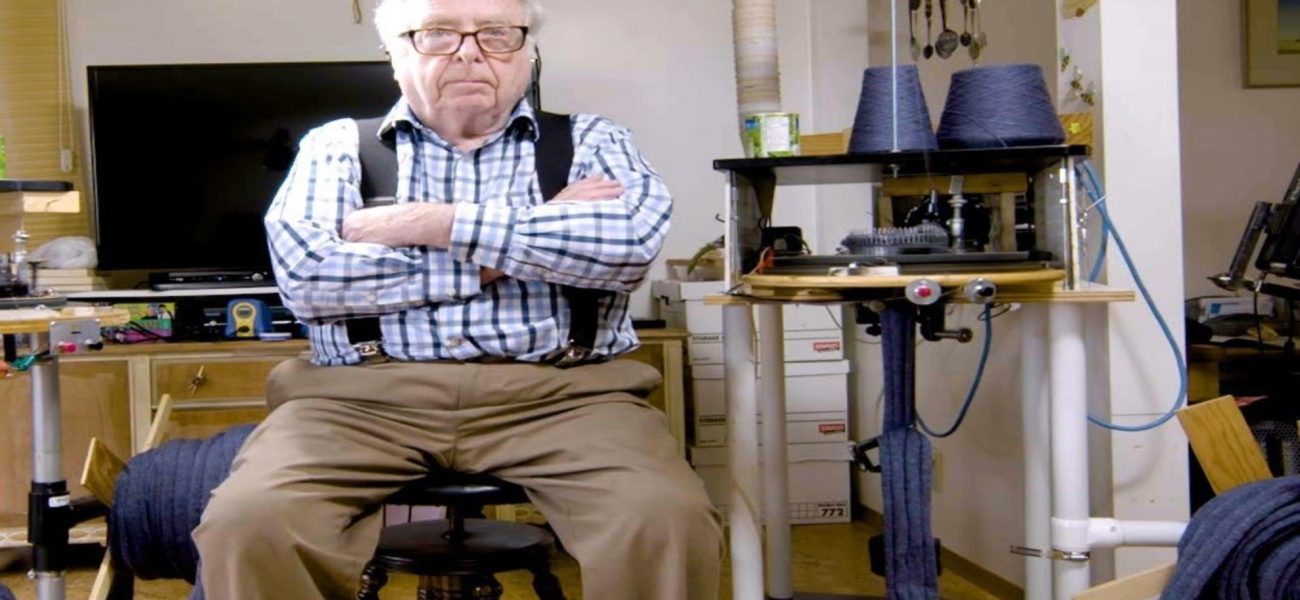
POLICY WIRE — Kansas City, MO — When a man like Robert ‘Bob’ Harrison trades his retirement golf clubs for knitting needles, it usually signals a charming local eccentricity. But for a nation grappling with persistent wealth disparities and threadbare social safety nets, his homespun industry, producing hundreds of pairs of wool socks for the unhoused, presents something far more potent than mere kindness. It’s an act of quiet, almost furious, indignation, a raw needle-prick at the comfortable illusion of societal welfare.
Harrison, seventy-two and with hands once accustomed to a mechanic’s wrench, now meticulously crafts two to three pairs daily from his sunroom. He started with just a notion—the simple cold. But the underlying issue, as policy wonks know, is anything but simple. This isn’t just about cold feet; it’s about communities abandoning their most vulnerable, then applauding the very individuals who step in to mitigate that failure. He told local reporters, eyes bright with an almost evangelical fervor for his craft, “They don’t need much, just some warmth, some basic human dignity. It’s a disgrace that it falls to folks like me, but somebody’s gotta do it, right?”
His micro-enterprise, christened ‘Socks by Bob’ by appreciative recipients, has become an uncomfortable mirror. But it’s not just mirroring local failures; it’s reflecting a global dilemma. You see similar grassroots responses everywhere from refugee camps along the Syrian border to the flood-ravaged plains of Sindh, Pakistan, where local philanthropists—or entire villages, often with far less personal means than Bob—scramble to provide shelter, food, or, yes, even clothing. They’re the emergency stopgaps, the spontaneous safety valves when state apparatuses strain, or simply crumble.
“Mr. Harrison’s initiative embodies the resilient spirit of American communities, an inspiring example of neighbors helping neighbors,” stated Missouri Governor Michael Thompson in a carefully worded press release, notably sidestepping any mention of budget deficits or funding cuts to social services. It’s easy for politicians to laud individual charity; harder to interrogate the policies that make such charity so desperately necessary. And because the problem seems insurmountable—global homelessness figures remain stark, with organizations like the UN reporting over 1.6 billion people living in inadequate housing worldwide as of 2023—Bob’s socks feel less like a solution and more like a symbol.
But the raw, tactile nature of Bob’s offering contrasts sharply with the often-abstract discussions surrounding housing policy, economic justice, and humanitarian aid. It’s an inconvenient truth wrapped in merino wool. Dr. Aisha Rahman, head of the Relief Initiative for Global Shelter (RIGS), based out of Islamabad but operating globally, shared her weary assessment. “We see it time and again—from Kansas City to Karachi. When institutional support fails, whether due to austerity measures or sheer corruption, it’s always the individual, the informal network, that bears the immediate human cost. These acts are deeply noble. But they’re a drop in an ocean of unmet need.”
📄 POLICY WIRE WHITEPAPER PUBLISHED: PAKISTAN'S NATIONAL SECURITY POLICY PRIORITIES
👉 READ BY CLICKING HEREThis isn’t about charity, then. Not truly. It’s about fundamental dignity denied. It’s about winter nights — and blistered feet. And it’s about what we, as a society—or an international community—choose to prioritize. Bob Harrison, with his humble needles and endless skeins of yarn, has unwittingly pulled a loose thread in the elaborate quilt of public policy, revealing not just the gaps, but the uncomfortable question of why those gaps exist in the first place.
What This Means
Bob Harrison’s seemingly benign project presents a biting critique of contemporary social policy. Economically, ‘Socks by Bob’ is a form of micro-philanthropy that fills a tiny, albeit significant, gap created by public sector retrenchment and stagnant wages. It implicitly challenges the efficacy of trickle-down economics and welfare programs that are often too bureaucratic, underfunded, or both. The narrative shifts the focus from grand governmental initiatives to the immediate, granular failures affecting individuals daily.
Politically, the story underscores a prevalent tactic: politicians praising private good deeds to deflect scrutiny from systemic policy shortcomings. The act of an ordinary citizen shouldering a burden traditionally assigned to the state, whether local or federal, serves as an easy narrative win for officials eager to highlight ‘community spirit’ without committing to substantial public investment. The subtext here is clear: until there’s a political will to address root causes like affordable housing shortages and robust social welfare infrastructure, Bobs will keep knitting—and policymakers will keep praising their altruism from a safe distance.