


Dry Channels, Sudden Fury: New Mexico Rescue Echoes Global Water Woes
POLICY WIRE — ALBUQUERQUE, N.M. — It starts innocently enough, a parched landscape yearning for rain. Then the clouds burst—maybe miles upstream—and that dry ditch you forgot about transforms,...

POLICY WIRE — ALBUQUERQUE, N.M. — It starts innocently enough, a parched landscape yearning for rain. Then the clouds burst—maybe miles upstream—and that dry ditch you forgot about transforms, roaring with a force capable of pulling you under. It’s an almost cinematic struggle against nature’s swift, unforgiving whims, played out recently in New Mexico’s arid embrace.
While local authorities heralded a successful swift-water recovery Thursday evening, the incident casts a long shadow, revealing more than just immediate heroism. It’s a stark reminder of the escalating battle against nature’s raw power in our increasingly urbanized, climate-changed world. A lone individual, trapped by unexpected currents in an arroyo, became a microcosm of a much larger, often overlooked public safety challenge. But who’s really counting the cumulative cost? [QUOTE_PLACEHOLDER]
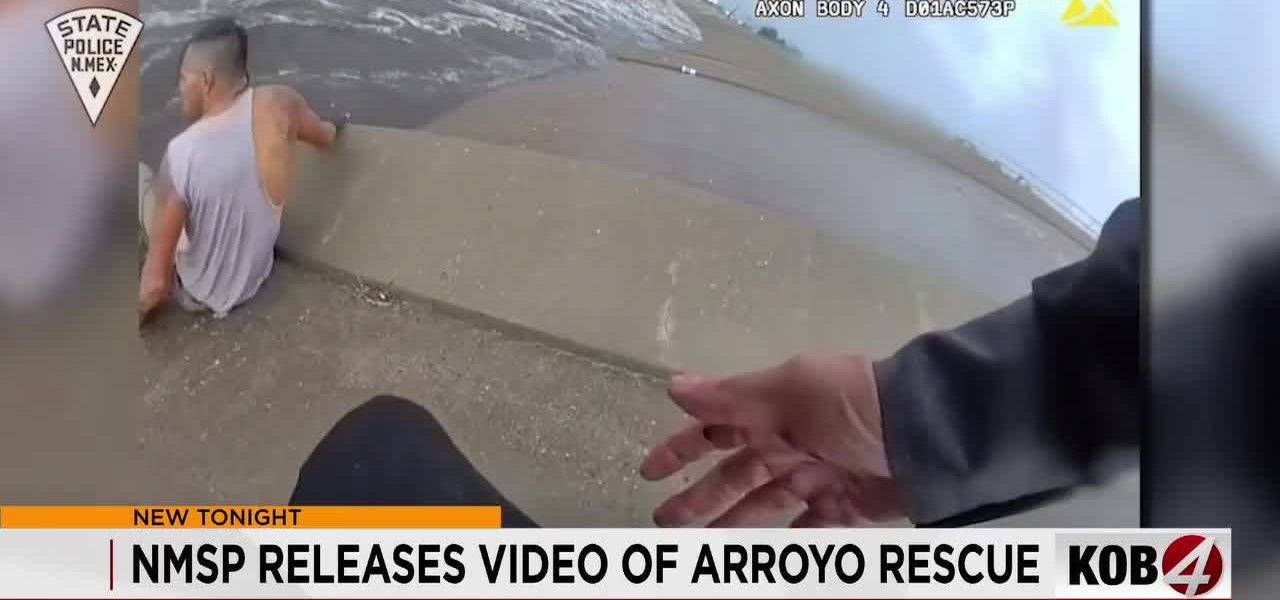
That day, what unfolded west of Carlisle Boulevard was hardly unique to Albuquerque. It was a familiar scene across the arid American Southwest, a cyclical danse macabre with Mother Nature. An ordinary evening turned precarious when someone flagged down a state police officer about a man in the arroyo
—a phrase that almost suggests an everyday occurrence, which, in a troubling way, it often is. And that set the rapid rescue in motion.
New video shows New Mexico State Police rescuing a man from an arroyo Thursday evening
, confirming the perilous nature of the situation. Emergency services sprang into action, as they’ve got to. Crews, well-practiced for such eventualities, converged on predefined points. A spokesperson says when they get a swift water rescue call they send crews to assigned spots along the arroyo.
It’s an efficient system, no doubt, but one that speaks volumes about the frequency of these harrowing events.
But the raw, human element of these crises often gets lost in the procedural descriptions. They found the man in the water west of Carlisle and rescued him.
He wasn’t just found; he was clearly at his limits. Police said the man was so tired an officer had to carry him.
Imagine that. The sheer physical — and emotional toll, for both the victim and the first responders, is immense. It’s a testament to the fact that even routine emergencies are anything but routine for those involved.
This incident, quickly handled, points to a broader infrastructural and policy challenge that extends far beyond the sun-baked plains of New Mexico. Think of the sudden, devastating floods that routinely sweep through urban centers in Pakistan during monsoon season, like Karachi. The arid channels here and the inundated streets there share a common, dangerous thread: rapidly changing water dynamics in areas unprepared or overwhelmed by their intensity. While Albuquerque’s arroyos dry up for most of the year, those urban deluges in South Asia often stem from similar, unmanaged storm run-off, exacerbating existing infrastructure deficiencies and affecting millions.
Because ultimately, these aren’t just weather phenomena; they’re policy failures. They’re failures of urban planning, of timely infrastructure upgrades, — and often, of public education. According to the National Weather Service, an average of 85 people die annually in flash floods across the U.S. That’s a statistic that rarely makes headline news but represents untold personal tragedies and a consistent drain on public resources, even if individual incidents like this one end happily.
📄 POLICY WIRE WHITEPAPER PUBLISHED: PAKISTAN'S NATIONAL SECURITY POLICY PRIORITIES
👉 READ BY CLICKING HEREHere in New Mexico, it’s about better mapping, smarter construction codes, — and more aggressive public outreach. You can’t build a city in a desert environment and simply hope for the best when the weather decides to defy expectations—which it increasingly does, doesn’t it?
What This Means
This single rescue, while successful, throws into sharp relief the silent, escalating cost of what we often dismiss as mere acts of God. Politically, the implications are understated but profound. Local governments face increasing pressure to balance expanding urban footprints with ecological realities. Every arroyo incident represents a tangible cost: deploying multiple agencies—police, fire, paramedics—tying up valuable resources that could be addressing other emergencies. Economically, property damage, though not reported in this specific case, is a constant threat along these watercourses, potentially impacting insurance rates and municipal budgets for repairs and flood mitigation. These aren’t just expenses; they’re investments (or lack thereof) in resilience.
the recurring nature of these incidents underscores a global trend where climate volatility disproportionately affects vulnerable populations and straining civic resources. From Albuquerque’s flash flood protocols to the often devastating urban deluges experienced by cities like Lahore or Dhaka—where water management is a constant, grinding challenge—the core issue remains: how do governments adapt existing infrastructure and policy to cope with more extreme weather events? The political will required to fund significant, long-term flood control projects or re-evaluate sprawling urban developments isn’t always easy to muster, especially when facing immediate electoral cycles.
And let’s not forget the hidden social costs: the trauma for victims, the burnout for first responders, and the subtle erosion of public trust if incidents become too frequent or are perceived as preventable. It’s not just about a body pulled from a ditch; it’s about the fabric of a community navigating an evolving environmental landscape. This particular event may have ended with rescue, but it’s a policy conversation that’s just getting started—and it needs to, because frankly, it’s not just water we’re fighting, it’s inertia.