


Charlotte’s Unlikely Compass: Venezuelan Diaspora Rises After Cataclysm
POLICY WIRE — Charlotte, USA — When catastrophe strikes, its ripples often travel further than geography dictates. Take Charlotte, North Carolina, a city that suddenly found itself inextricably...

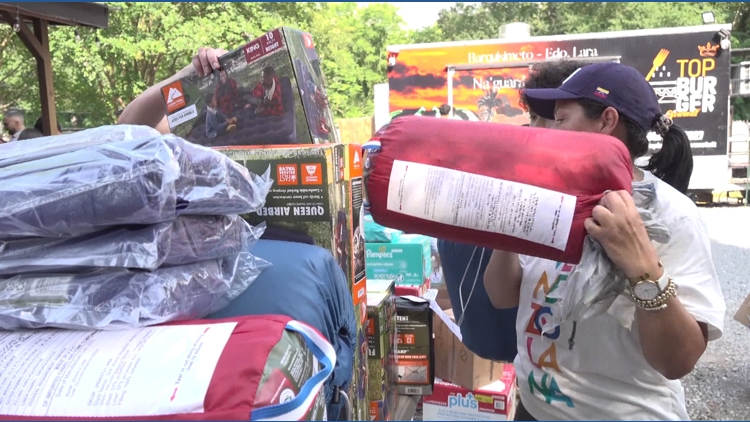
POLICY WIRE — Charlotte, USA — When catastrophe strikes, its ripples often travel further than geography dictates. Take Charlotte, North Carolina, a city that suddenly found itself inextricably linked to a humanitarian crisis unfolding thousands of miles south. The earthquake that recently rocked South America — an event of staggering human cost — didn’t just register as a blip on distant newsfeeds for the city’s burgeoning Venezuelan community. For them, it was personal. Immediate. And, surprisingly, actionable.
It wasn’t a governmental decree or an international NGO that sprang into motion first. It was neighbors talking to neighbors, families calling across borders, fueled by grim phone calls — and grainy video. The usual Friday night calm fractured under the weight of news filtering in from affected regions, stories of collapsed homes and shattered lives. The speed at which an ad-hoc relief network materialized here, in this unexpected corner of the U.S., offered a stark counterpoint to the often sluggish gears of official channels.
Volunteers, many working second jobs or juggling family commitments, dedicated their off-hours to sorting donations, making calls, and translating desperate pleas. They weren’t just collecting; they were strategizing. It’s a grassroots mobilization, born not of professional logistics but of raw, familial concern. One local organizer, an expat herself, described the sheer velocity of the effort, stating [QUOTE_PLACEHOLDER]. They’ve focused keenly on collecting specific, actionable items: medicines, sturdy tents, water purification tablets. Not just any supplies, but what the beleaguered populations on the ground truly need right now. The initiative highlights a fundamental, human truth: tragedy, however far, pulls at the ties that bind.
But the operation, for all its passionate intensity, faces predictable logistical headwinds. Getting collected goods to the heart of a disaster zone requires more than just good intentions. It needs freight, customs clearances, — and safe passage. A shipping company, usually focused on commercial imports and exports, found itself negotiating pro-bono rates for bulk relief packages. It’s an intricate dance of charity and bureaucracy, where each successful parcel feels like a small triumph against overwhelming odds.
What This Means
This rapid, community-led response isn’t just a heartwarming tale; it offers sharp insights into global humanitarian aid and the shifting landscape of diaspora politics. The swiftness seen in Charlotte underscores the increasing power of transnational communities as first responders, often circumventing bureaucratic inertia that can plague larger organizations. Their direct pipelines to affected regions — often family and friends — mean needs assessments are real-time, untainted by layers of intermediaries. And it reveals a subtle yet profound challenge to traditional models of disaster relief: When individual networks can respond faster and with more precision, what role remains for the lumbering, established aid structures?
📄 POLICY WIRE WHITEPAPER PUBLISHED: PAKISTAN'S NATIONAL SECURITY POLICY PRIORITIES
👉 READ BY CLICKING HEREEconomically, such diaspora contributions, while often difficult to quantify precisely, represent a significant, overlooked flow of capital and goods. For example, in 2022, global remittances to low- and middle-income countries hit an estimated $647 billion, significantly outweighing official development assistance, according to the World Bank. While this isn’t all disaster relief, it illustrates the sheer scale of private, cross-border financial activity driven by personal connections. These aren’t abstract figures; they’re families sending money home, individuals coordinating aid drives, creating an economic lifeline from afar. This decentralized, fluid network suggests a future where community ties are just as critical, if not more so, than national policies in the immediate aftermath of widespread devastation.
these events highlight a broader phenomenon observed in diasporas across the globe—be it South Asian communities responding to floods in Pakistan or those from various Muslim-majority nations coordinating aid for crises in the Middle East. They leverage social capital — and shared heritage to mobilize resources, creating an informal, powerful network. The Charlotte Venezuelans aren’t unique in their dedication, but rather exemplify a universal pattern of expatriates stepping into voids left by state capacity or international reach. Their activism here can also subtly reshape perceptions at home, strengthening bonds even as distance persists. It’s about maintaining a link, not just with their homeland, but with the struggles of those who remain, asserting a shared identity that distance can’t erode.
The unspoken political undertones aren’t lost either. For many in this particular diaspora, their very presence in Charlotte is a consequence of political instability back home. This act of collective charity becomes a statement in itself—a declaration of solidarity not just with victims of a natural disaster, but with a struggling populace. [QUOTE_PLACEHOLDER] said one participant, articulating the layered motivations behind their tireless work. This isn’t just about sending blankets; it’s about reaffirming a bond, even when official channels are strained or unresponsive. It demonstrates a resilience that governments sometimes take for granted, a self-reliance born of necessity and deep affection. For more context on global migration patterns, check out our report on humanitarian crises and migration patterns.
The bins overflowing with supplies, the makeshift spreadsheets tracking donations, the hushed phone calls late into the night—all of it points to a dynamic power center outside the usual headlines. It’s a testament to the fact that even when global politics seem to divide and alienate, humanity’s innate capacity for compassion, particularly among those who’ve known struggle, often finds a way to stitch together a lifeline. It’s an inconvenient truth for traditional foreign policy wonks: sometimes, the most effective diplomacy happens not in state dinners, but in a Charlotte church hall, one donation at a time.