


Fugitive’s Final Exit: Nicholas Rossi, Master of Deception, Meets Undeniable End
POLICY WIRE — Edinburgh, Scotland — It’s often the grand exits that get all the press, but sometimes, a convoluted non-event – or perhaps, a permanent one – is what truly defines a long-running...

POLICY WIRE — Edinburgh, Scotland — It’s often the grand exits that get all the press, but sometimes, a convoluted non-event – or perhaps, a permanent one – is what truly defines a long-running spectacle. Nicholas Rossi, the man whose alleged identity morphed faster than global news cycles, a man accused of faking death
and orchestrating a breathtaking transcontinental escape from American justice, has, in what can only be described as a uniquely fitting twist, now truly died. His intricate web of assumed names, staged identities, and bald denials has, it seems, hit a very solid, incontrovertible wall.
For years, this narrative captivated and infuriated, stretching from the American plains to the ancient streets of Glasgow. He was a man fleeing US to Scotland after rape charges
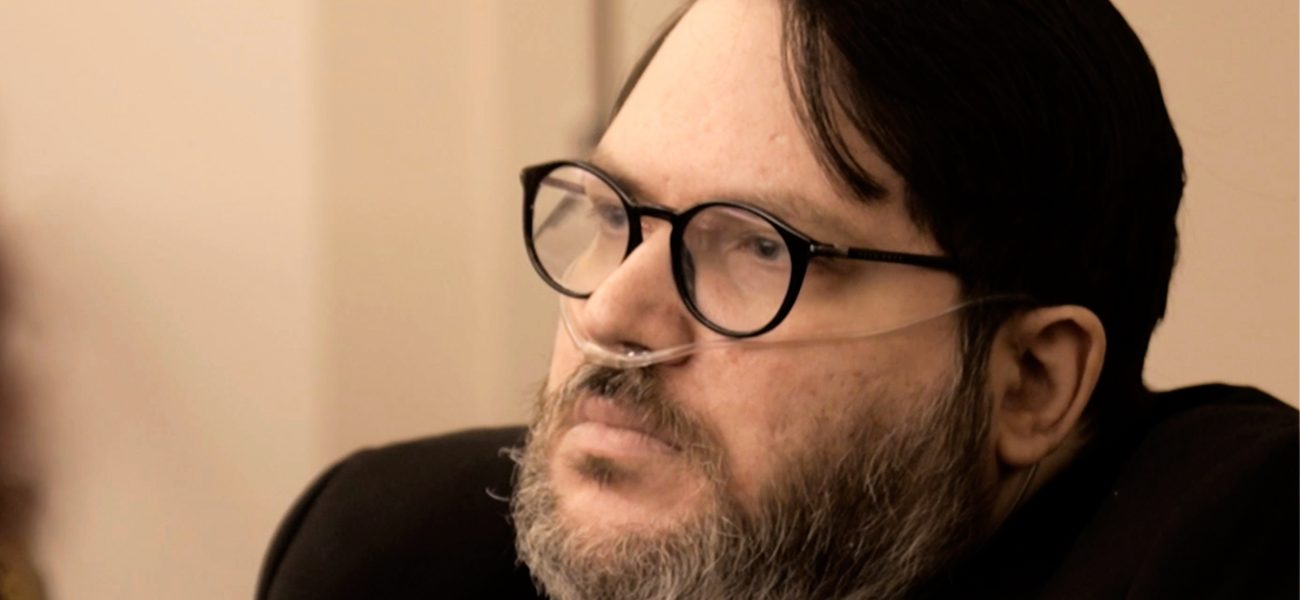
, according to authorities. Not exactly a new plot, but Rossi’s commitment to the role of a persecuted, sickly Englishman, —complete with oxygen, wheelchairs, and a distinct lack of genuine memory for his alleged past— gave it a fresh, dark sheen. Police in Scotland had originally found him comatose in a Glasgow hospital in 2021, under an assumed name, leading to an almost comical battle of wills and identities with US and UK law enforcement that played out publicly. The sheer audaciousness of the charade was something to behold. [QUOTE_PLACEHOLDER]
His demise — confirmed through sources close to the unfolding legal entanglement, though specifics remain under wraps for now— draws a definitive, if deeply anticlimactic, curtain on a legal drama that spanned continents and made a mockery of several judicial systems. But the sheer effrontery, the audacity of his multiple, overlapping personas, had already established his notoriety well beyond the confines of a simple extradition case. One has to wonder: how many elaborate identities did he maintain simultaneously? It’s mind-boggling.
Rossi, or whatever moniker he preferred at any given moment, embodied a contemporary problem: the ease with which determined individuals can shed identities in a hyper-connected, yet paradoxically fragmented, world. And, the struggle international bodies face in stitching those fragmented identities back together. Interpol, for example, processes hundreds of thousands of international requests annually, yet only a fraction — approximately 15% — of its red notices result in an actual extradition each year, according to a 2023 report by the Transnational Institute. Such statistics aren’t exactly confidence-boosting for cross-border justice.
He’d spun a tale so elaborate, so audacious, that even the most cynical of observers might’ve cracked a wry smile. Picture this: a supposedly deceased man resurfaces, tattooed to within an inch of his life, claiming he was someone else, an innocent tourist — but then authorities spot those distinctive tattoos, ones that happened to match an official missing person report from the States. It’s almost too neat a Hollywood ending, except it was all playing out in very real courtrooms.
The death closes what has been an extraordinary chapter in international jurisprudence, eliminating the need for further costly extradition hearings, but leaving lingering questions about accountability and the ease of international evasion. Law enforcement agencies in the United States rape charges
have been hanging over him since his 2021 apprehension. Now, those charges effectively dissolve, leaving victims — and the wider justice system — in a strange limbo. You can’t extradite a ghost, it seems, no matter how many tattoos it might have had.
📄 POLICY WIRE WHITEPAPER PUBLISHED: PAKISTAN'S NATIONAL SECURITY POLICY PRIORITIES
👉 READ BY CLICKING HEREWhat This Means
Rossi’s final act — dying — shifts the conversation from legal technicalities to the systemic vulnerabilities he so brazenly exploited. It’s a somber end that prevents judicial closure for his alleged victims and exposes the high-stakes game of global identity fraud. Because his case touched multiple jurisdictions and highlighted weaknesses in tracking individuals across borders, it holds lessons for countries struggling with similar challenges. Nations in South Asia, for instance, often grapple with fugitives who exploit complex legal systems, porous borders, and sometimes even political sympathies to avoid justice. From individuals implicated in large-scale financial crimes to those sought for extremist activities, the phenomenon of ‘ghosting’ identity is not unique to the West.
For Pakistan, a nation routinely engaged in protracted extradition battles and international inquiries into its citizens abroad — and foreigners within its borders — cases like Rossi’s are instructional. They underscore the inherent difficulty, and often prohibitive cost, of bringing justice across continents when an individual is determined enough to leverage every legal loophole and forge entire identities. The administrative — and diplomatic effort to pursue a single individual, even a high-profile one, is immense. It forces policymakers to scrutinize how identity verification is managed digitally and physically, not just domestically, but on an interconnected, global stage. His death might mark the end of one man’s elaborate deception, but it’s hardly the end of the global challenge he represented.
It’s not just about one dead man; it’s about what his life — and bizarre saga illuminated. Policy makers, security experts, and the international legal community will undoubtedly pick apart this extraordinary case for years. We’ve seen, firsthand, just how fragile borders and personal identities can be in the face of sufficient will and, presumably, resources. What’s next? More digital fingerprinting? Sharper, real-time data sharing agreements between nations?