

Japan’s Culinary Gates: A Soft Power Tangle for the Uninitiated Diner
POLICY WIRE — Tokyo, Japan — Getting a table at Japan’s most celebrated eateries isn’t merely about planning a meal; it’s a stark lesson in geopolitical soft power,...

POLICY WIRE — Tokyo, Japan — Getting a table at Japan’s most celebrated eateries isn’t merely about planning a meal; it’s a stark lesson in geopolitical soft power, technological gatekeeping, and the subtle, sometimes frustrating, dynamics of a society that values exclusivity as much as excellence. We aren’t talking about snagging a booth at your local bistro, mind you. This is an opaque, often exasperating dance that reflects far more than just what’s on the menu.
Many international visitors arrive here, their pockets jingling with foreign currency and Instagram feeds full of Michelin-starred dreams, only to discover a harsh reality: their desire to experience the famed precision of Japanese cuisine hits a cultural wall, one often buttressed by phone-only policies and Japanese-only interfaces. It’s a system that, quite unintentionally, illustrates the quiet hierarchies of global travel, placing those without local connections or linguistic prowess at a distinct disadvantage. But it’s not just about language; it’s about access, too, about who gets a seat at the table in an increasingly interconnected, yet paradoxically, fragmented world.
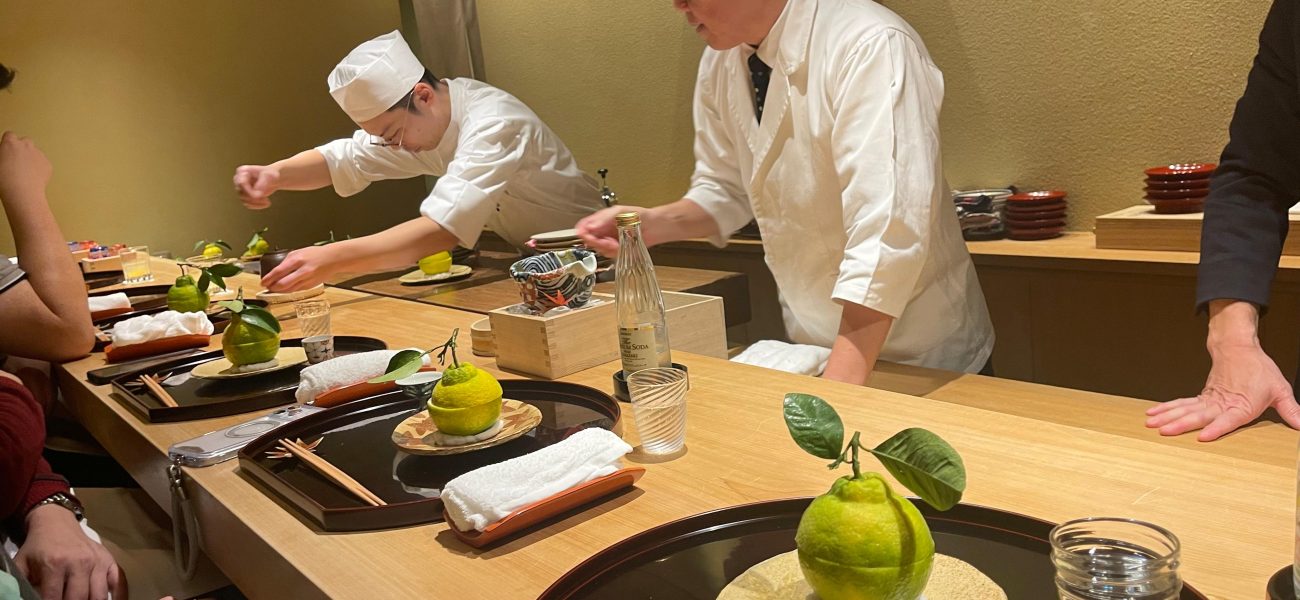
But how, one wonders, can a nation so adept at technological innovation in manufacturing and robotics seemingly resist its application in such a fundamental consumer interaction? It’s often through the quiet resistance of tradition, a preference for personal connection over efficient digital platforms, particularly for high-end experiences. Some restaurants, they operate less like modern businesses and more like private clubs, accepting reservations only from established patrons or via hotel concierges. [QUOTE_PLACEHOLDER]. It can feel less like booking dinner — and more like seeking an audience.
And for those unfamiliar with the labyrinthine nuances, it’s a baffling setup. Travelers from, say, Pakistan or other South Asian nations — regions where direct engagement and face-to-face transactions often define commerce — might find this particularly jarring. They’re often accustomed to hospitality driven by direct interaction, perhaps even a haggle, rather than an anonymous, indirect system that often demands a Japanese speaker to even initiate contact. It’s a clash of service cultures, sure, but also a quiet challenge to the idealized image of Japan as an accessible, futuristic travel destination.
It’s not for lack of trying that people from outside struggle, either. We’re seeing more third-party services crop up — paid personal assistants or bespoke concierge groups promising to navigate these choppy waters for a fee. Their very existence proves how broken the traditional process often feels for outsiders. One widely cited figure from the Japan National Tourism Organization (JNTO) reported that tourist arrivals from Pakistan saw a notable increase of around 35% in 2023 compared to the previous year, highlighting a growing demographic attempting to engage with Japan’s offerings. Yet, this influx doesn’t automatically unlock access to the very cultural touchstones — like celebrated dining — that draw them here.
Because ultimately, these aren’t just dining spots; they’re cultural institutions. Their exclusive access — sometimes maddeningly so for tourists — preserves an almost ceremonial aspect of dining. But is it sustainable? With tourism rebounding aggressively, particularly after the pandemic, one has to ask if such an opaque system helps or hinders Japan’s long-term appeal as a global hub. Maybe there’s a point where tradition meets commercial reality head-on.
📄 POLICY WIRE WHITEPAPER PUBLISHED: PAKISTAN'S NATIONAL SECURITY POLICY PRIORITIES
👉 READ BY CLICKING HEREOne might even draw parallels to broader diplomatic challenges where understanding and direct engagement are paramount, but unspoken rules or inaccessible channels impede progress. You see it play out in bigger geopolitical arenas, too, like the nuanced communications — or lack thereof — between states, much like the opaque reservation system of a Kyoto ryotei.
What This Means
This culinary gatekeeping isn’t merely a quaint cultural quirk; it has tangible economic — and political implications. Economically, Japan is missing out on substantial tourist spending. International visitors, often with higher disposable incomes, are prepared to spend lavishly on these exclusive experiences. When access is deliberately — or unintentionally — restricted, that capital often moves to more accessible alternatives or isn’t spent at all within that specific high-value segment. Think about the cumulative impact on premium sake sales, specialist culinary ingredients, and bespoke local crafts that thrive around these establishments. The lost revenue isn’t just a ripple; it’s a wave.
Politically, this dynamic, while small, contributes to Japan’s international image — one of fascinating mystique but also occasional inscrutability. As a soft power projection, its cuisine is undeniably a world-class draw. But if that draw comes with an unnavigable labyrinth for a significant portion of would-be visitors, especially from emerging markets, it subtly undermines the broader message of openness and welcome. It might, perhaps, inadvertently reinforce a perception of exclusion that other nations — those actively courting a broader international clientele — are working hard to shed. The system unintentionally sends a message about who’s truly welcome at the table, culturally speaking, not just culinarily. It’s a silent barrier, one that thoughtful policy might eventually consider dismantling to truly broaden Japan’s appeal.