

New Mexico’s “Dry Storms”: A Brewing Climate Crucible for the High Desert
POLICY WIRE — ALBUQUERQUE, N.M. — New Mexico, a state usually synonymous with endless azure skies, isn’t just seeing rain. It’s contending with a tempest of paradox: “dry...

POLICY WIRE — ALBUQUERQUE, N.M. — New Mexico, a state usually synonymous with endless azure skies, isn’t just seeing rain. It’s contending with a tempest of paradox: “dry storms” that lash the parched landscape not with a life-giving deluge, but with powerful, dust-whipping winds that set the stage for another, far deadlier kind of chaos. Locals know this drill, but even veterans are noting the shift—a growing volatility in a climate already on the edge.
It’s not the lightning strikes—not primarily, anyway. But what the atmosphere is cooking up are wind gusts that hit you like a heavyweight boxer, often carrying more dust than water. You feel it in your teeth. Up to 55 miles per hour, they’re calling it, the sort of bluster that strips weaker branches from trees and plays dice with anything not nailed down. For folks hoping for some monsoon relief, these aren’t the soft, soaking rains; they’re the sort of meteorological shrug that says, “Here’s some noise, but no water.” And for good measure, they sprinkle in a higher risk of fires, because that’s just how the desert likes to keep things interesting, doesn’t it?
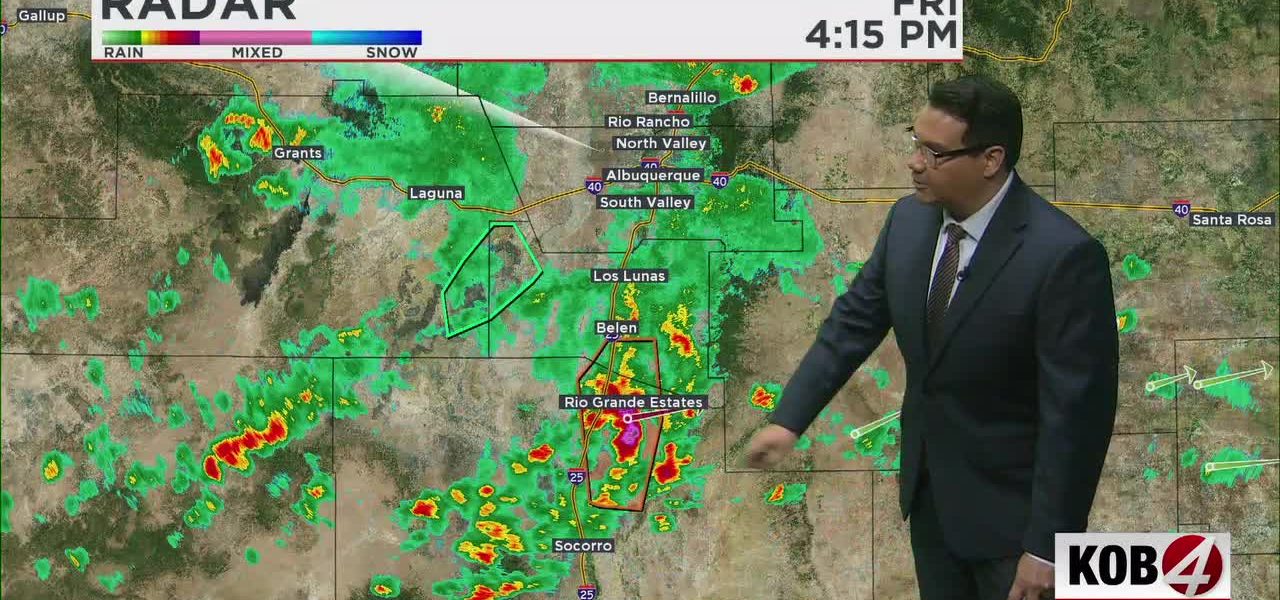
Friday brought more of the same, really. Showers and thunderstorms kept roiling across central and northern New Mexico, promising a spectacle of dark clouds and sharp gusts. The real worry wasn’t much flash flooding—a low risk, mostly just pooled water in Albuquerque’s urban canyons, thanks for that—but rather the pervasive, gnawing threat of wildfire. This isn’t just inconvenient; it’s a profound, persistent headache for state agencies and a constant source of anxiety for residents living close to scrubland. Remember 2022, when wildfires devoured over 900,000 acres in the state? We don’t forget.
“We’re not just managing a few bad weather days; we’re responding to a deeply altered environmental reality,” Governor Michelle Lujan Grisham told Policy Wire, her voice echoing a certain fatigue. “Our emergency services are stretched, yes, but their spirit remains strong. It’s an endless battle to protect homes and our natural heritage against these increasingly unpredictable and dangerous weather patterns.” It’s a sentiment many state executives around the American West could probably cut and paste, wouldn’t you say?
The state’s weather pattern has decided it needs a new act for the weekend: hotter, drier, — and even windier. Because why not? A stronger system’s sliding in from the Great Basin. Meaning a fresh round of those 35-to-50 mph southwesterly gusts, particularly in places like Gallup — and Taos. It’s the classic setup for an elevated fire warning. As for moisture, some isolated virga showers might pop up. You know virga—rain that evaporates before it hits the ground. It’s precipitation’s cruelest joke, and it often brings strong outflow winds that can turn a small ember into a blazing nightmare.
“Predicting these dry-wind events requires precise, hyper-local data and constant public vigilance,” explains Sarah Jennings, Chief Meteorologist for the National Weather Service’s Albuquerque office. “One minor wind shift can escalate a minor incident into a significant threat, particularly in our increasingly parched landscapes.” She’s right, of course. One misstep, one stray spark—and it all changes.
📄 POLICY WIRE WHITEPAPER PUBLISHED: PAKISTAN'S NATIONAL SECURITY POLICY PRIORITIES
👉 READ BY CLICKING HEREIt’s worth noting, too, how different parts of the world grapple with similar paradoxes. In places like Pakistan, particularly in arid Balochistan or Sindh, the monsoon often brings not just life-giving rain, but also destructive winds and localized, intense flash floods, sometimes exacerbated by drought-hardened soil that can’t absorb water. Or, conversely, prolonged periods of dry, wind-blown dust storms that halt commerce and agriculture—an echo of what New Mexico experiences, albeit with different drivers. These aren’t just local issues; they’re interconnected threads in a warming world’s unruly sweater.
What This Means
The consistent barrage of these ‘dry storms’—high winds with little precipitation—represents a policy headache and an economic drain on New Mexico. Politically, it cranks up the pressure on Governor Grisham’s administration to commit more resources to fire prevention, mitigation, and emergency response, especially as state budgets constantly feel the pinch. This isn’t just about fighting fires; it’s about investing in long-term infrastructure, from improving forest health through managed burns (which carry their own risks, naturally) to updating antiquated warning systems.
Economically, the impact stretches far beyond scorched earth. It threatens the state’s tourism industry, particularly those sectors reliant on outdoor recreation. Wildfire season, which can stretch well beyond traditional summer months thanks to these patterns, means fewer hikers, campers, and mountain bikers. But this isn’t just about human pleasure; it’s about water resources too. Watersheds devastated by fire lead to post-fire runoff and erosion, silting up reservoirs and contaminating water supplies for cities and agricultural regions—a problem states like New Mexico can ill afford, especially when nearly 88% of the state was experiencing at least abnormally dry conditions as of early May, according to the U.S. Drought Monitor. This isn’t a problem that’s going away, and it puts into stark relief the conversations around climate change adaptation and resilience. And yes, sometimes it feels like there are other frenzies grabbing headlines while these slow-motion environmental crises just keep grinding on.