

Desert Gales Roar Anew: New Mexico’s Tempest Echoes Global Climate’s Unsettling Cadence
POLICY WIRE — ALBUQUERQUE, N.M. — In the vast, ochre-hued expanse of New Mexico, Friday didn’t just usher in the usual end-of-week bustle; it delivered a chilling reminder of nature’s...

POLICY WIRE — ALBUQUERQUE, N.M. — In the vast, ochre-hued expanse of New Mexico, Friday didn’t just usher in the usual end-of-week bustle; it delivered a chilling reminder of nature’s relentless grip. For all our sophisticated meteorological models and satellite imagery, the stark reality is often reduced to the primitive lash of wind and sky—a story playing out not just here, but in distant, equally vulnerable corners of the globe. And frankly, the air isn’t exactly whispering sweet nothings.
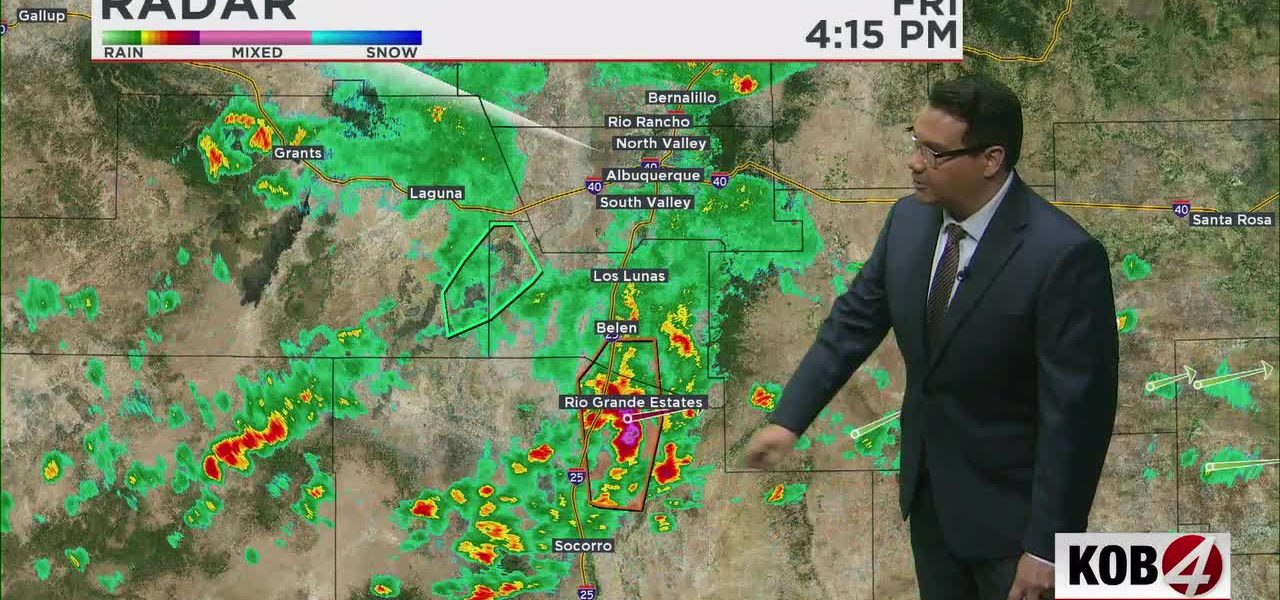
It’s that time again, you see, when the atmosphere seems to stretch, twist, — and snap back with violent intent. The weather won’t simply be pleasant. Instead, forecasters painted a rather blunt picture for a significant chunk of the Land of Enchantment. What started as fairly typical Friday afternoon thundershowers turned serious, with outflow winds up to 55 mph
poised to become the region’s main antagonist through the evening, a decidedly unpleasant prospect for anyone not securely battened down. [QUOTE_PLACEHOLDER]
Showers and thunderstorms kept on across central and northern New Mexico through the evening hours before diminishing around midnight. That’s the textbook version, anyway. But these weren’t your grandma’s gentle summer showers. Due to greater atmospheric instability
, those storms gained a bit more muscle than the day before. The primary hazard? You guessed it: those powerful outflow winds again. We’re talking about gusts from 40 to 55 mph
becoming a common sight—maybe even a bit more aggressive in isolated spots, where there’s an isolated threat of damaging winds from the strongest storms
. Your backyard BBQ plans? They’ve probably been relegated to the annals of history by now.
And these atmospheric temper tantrums aren’t picking — and choosing their targets subtly. The forecast had pinpointed Farmington, Gallup, Cuba, Los Alamos, Santa Fe, Albuquerque, Las Vegas, Taos and the northeast highlands
as areas particularly susceptible to this blustery onslaught. Some parts of northeast New Mexico
might even see storms get a bit more organized, thanks to more favorable
wind shear. What does that mean for us normal folks? More of Mother Nature flexing her considerable might, perhaps with an added dose of cinematic flair.
Despite all the bluster, the flash flood threat remains low
, which is one small victory to cling to, I suppose. However, locally heavy downpours could cause ponding of water in urban areas, including the Albuquerque metro
. Don’t put away those rubber boots just yet. To add insult to injury, the strong outflow winds brought the distinct possibility of localized blowing dust
—because, hey, why not make the experience truly memorable with a mouthful of grit?
But wait, there’s more. The weekend’s forecast for much of the western — and northern reaches of the state painted an even starker landscape. Saturday promised a stronger weather system moving through the Great Basin
, dragging with it hotter, drier and much windier conditions
. Southwest winds were expected to kick up a fuss, gusting between 35 and 50 mph during the afternoon
, keeping up the bluster over the higher terrain Saturday night. So, much of the state, after a Friday battering, now stared down a hot, dry, dusty, — and exceedingly windy Saturday. And with very dry air and strong winds
colliding, elevated fire weather concerns
quickly moved front and center.
It’s not hard to connect these dots, is it? We’re talking about regions susceptible to the double whammy of drought and wind, a pairing as old as deserts themselves. The stakes here go far beyond a spoiled picnic or a few downed power lines. New Mexico, much like Pakistan’s arid Balochistan province or its southern Sindh region, routinely grapples with how climate dynamics interact with socioeconomic realities. Dust storms, fueled by similar high winds and dry conditions, plague these global regions, disrupting everything from aviation to public health, not to mention agriculture. That’s billions of dollars in losses, annually, worldwide.
📄 POLICY WIRE WHITEPAPER PUBLISHED: PAKISTAN'S NATIONAL SECURITY POLICY PRIORITIES
👉 READ BY CLICKING HEREThe situation highlights a global vulnerability. In fact, the average annual cost of drought in the U.S. has reached $9.4 billion, according to the National Oceanic and Atmospheric Administration (NOAA), a figure certainly exacerbated by changing weather patterns. And because this isn’t just a weather story, but a political and economic one, it’s worth noting that managing these unpredictable, destructive weather patterns drains state and federal coffers—money that could be spent on, well, practically anything else, couldn’t it?
What This Means
This isn’t merely about New Mexico getting a bit breezy. This cyclical pattern of intense winds, followed by heightened fire danger, holds significant policy implications, not least for resources. Increased fire weather concerns demand more aggressive fire suppression budgets and strategies, pulling funds from other public services. Think infrastructure maintenance, education—you name it. the economic ripple effects for regions heavily dependent on outdoor tourism or ranching can be substantial; cattle ranchers in the region are already battling successive drought years.
The parallels with South Asia, particularly Pakistan, are striking — and worth noting here at Policy Wire. Arid and semi-arid regions globally face similar dilemmas: managing diminishing water resources, coping with extreme weather events, and protecting fragile ecosystems. Pakistan’s agricultural sector, a cornerstone of its economy, remains highly susceptible to shifts in monsoon patterns, prolonged droughts, and—yes—violent dust storms. The digital dust of misinformation spreads quickly, but the real dust, whipped up by relentless winds, brings its own brand of chaos. Both regions face an uphill battle in adapting critical infrastructure—power grids, water systems, transport networks—to climate volatilities, diverting funds that might otherwise go towards developmental goals or, say, social welfare programs. It’s a never-ending cycle, or at least it certainly feels like one.
The political calculus for state and federal leadership becomes a delicate dance: allocate more resources to immediate disaster mitigation, or invest in long-term resilience strategies like water conservation and sustainable land management, often against a backdrop of public impatience. In the face of intensifying climate patterns, every dollar spent on reactive measures is a dollar not spent proactively building a more robust, climate-resilient future. And it’s not an easy call.