

Trump Leverages Bipartisan Housing Bill, Demands ‘SAVE AMERICA ACT’ Vote
POLICY WIRE — In a characteristic move of political leverage, President Donald Trump abruptly cancelled a scheduled signing of a bipartisan affordable housing b...

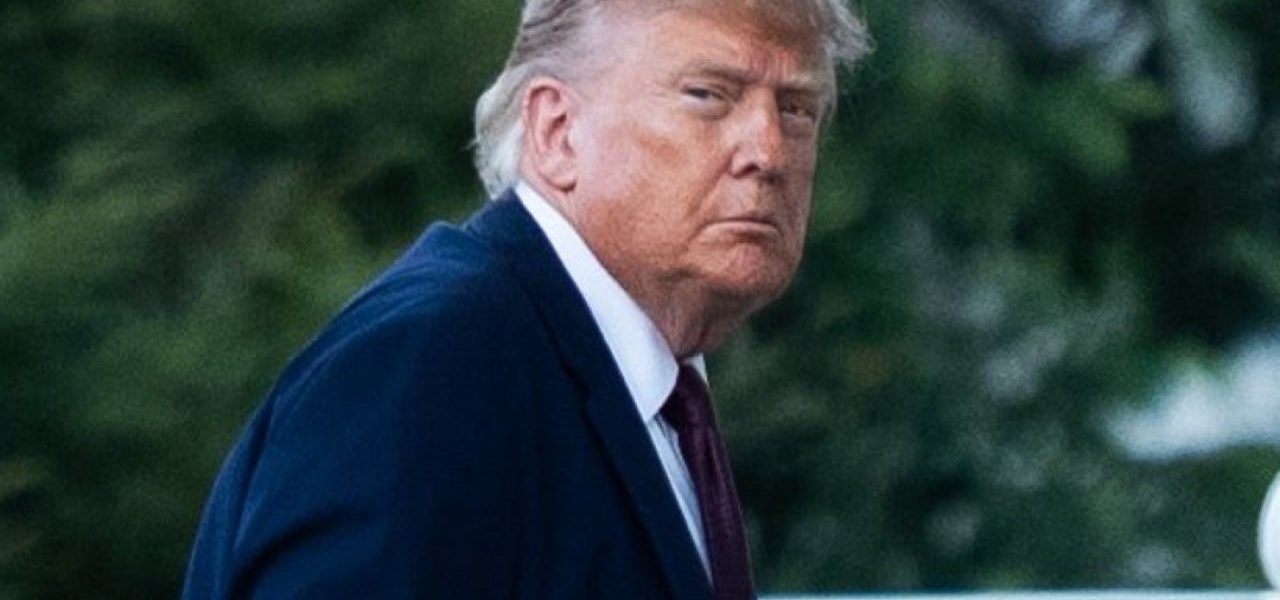
POLICY WIRE — In a characteristic move of political leverage, President Donald Trump abruptly cancelled a scheduled signing of a bipartisan affordable housing bill on Wednesday. The decision, announced by Trump via social media, was a direct attempt to compel fellow Republicans to advance a stalled package of US national voting restrictions.
The former president, rarely one to shy from a public challenge, stated his terms unequivocally. “Today’s Housing News Conference and Signing is hereby cancelled until such time as we pass the desperately needed SAVE AMERICA ACT, which I consider to be a National Emergency,” Trump wrote in a social media post, signaling a high-stakes legislative gamble.
This maneuver underscores a deep and ongoing struggle within the Republican Party, highlighting the persistent influence — and potential limitations — of the former president’s will. The decision to halt progress on a bipartisan measure, which presumably had garnered support across the political aisle, has already served to exacerbate internal party divisions and expose the delicate balance of power between different factions.
The housing bill itself, though specifics were not detailed in the original reporting, represented a rare point of agreement in a frequently gridlocked Congress. Affordable housing is an issue that often transcends partisan lines, with initiatives typically enjoying broad public and political support due to their direct impact on constituents’ daily lives. Trump’s decision to hold such a bill hostage for an entirely unrelated legislative agenda points to a strategy aimed at maximizing pressure.
At the heart of the standoff is the “SAVE AMERICA ACT,” described as a package of national voting restrictions. While the full scope of this proposed legislation was not outlined, similar initiatives championed by Republicans in recent years have generally sought to tighten voter registration rules, reduce mail-in voting access, and impose stricter voter ID requirements. Proponents argue such measures are vital for election integrity, often echoing Trump’s long-standing concerns regarding the security of the 2020 election results. Opponents, however, frequently contend these measures are designed to suppress voter turnout, particularly among demographics that tend to vote Democratic.
The intensity of Trump’s demand—declaring the SAVE AMERICA ACT a “National Emergency”—raises the political stakes considerably. This framing seeks to elevate the voting restrictions to an issue of paramount national importance, demanding immediate and unwavering action from his party. It also signals his continued belief that the state of election laws is critical to the nation’s future, a recurring theme in his post-presidency discourse. His insistence on this point demonstrates his continued engagement in shaping Republican legislative priorities.
However, the wire reports indicated that this aggressive tactic has aggravated party fissures and shown the limits of his power. This is a telling observation. While Trump retains considerable sway over a segment of the Republican base and many elected officials, this action suggests a growing pushback or, at minimum, a complex internal calculus among Republicans who may prioritize legislative achievements or broader party unity over strict adherence to Trump’s immediate demands. A bipartisan bill cancellation is not without its costs, potentially alienating allies and creating a perception of inflexibility.
📄 POLICY WIRE WHITEPAPER PUBLISHED: PAKISTAN'S NATIONAL SECURITY POLICY PRIORITIES
👉 READ BY CLICKING HEREThe challenge for Republican leaders is now multifaceted. They must weigh the pressure from the former president against the practicalities of governing, the potential for political backlash over an abandoned housing initiative, and their own strategic interests. Moving forward with a contentious voting reform bill under such duress could deepen divides, while resisting Trump’s directive could risk his disfavor and alienate his loyal supporters.
What This Means
This incident is more than a simple legislative spat; it’s a window into the ongoing evolution of the Republican Party and the enduring, yet contested, influence of Donald Trump. His decision to link an uncontroversial housing bill to a highly partisan voting reform package illustrates a political philosophy that views all legislative progress as potential leverage for ideological battles.
For the ‘SAVE AMERICA ACT,’ this gambit could provide the impetus its proponents need, or it could highlight the difficulties in uniting the Republican caucus around an issue that may face significant Democratic opposition. If Trump’s pressure fails to deliver the desired legislative outcome, it would signal a more definitive curtailment of his power over the party’s agenda. Conversely, if Republicans swiftly pass the act, it would re-affirm his significant, perhaps even paramount, role in shaping the party’s priorities.
The short-term consequences are clear: a potentially beneficial housing bill is on hold. The long-term implications are less certain. Does this tactic represent a new frontier of political hardball, or a strategic overreach that risks alienating swing voters and fracturing a party already grappling with its identity? The outcome will undoubtedly offer further insight into the Republican Party’s internal dynamics as it navigates a post-presidency landscape still profoundly shaped by its former leader. (Reporting based on wire reports)