


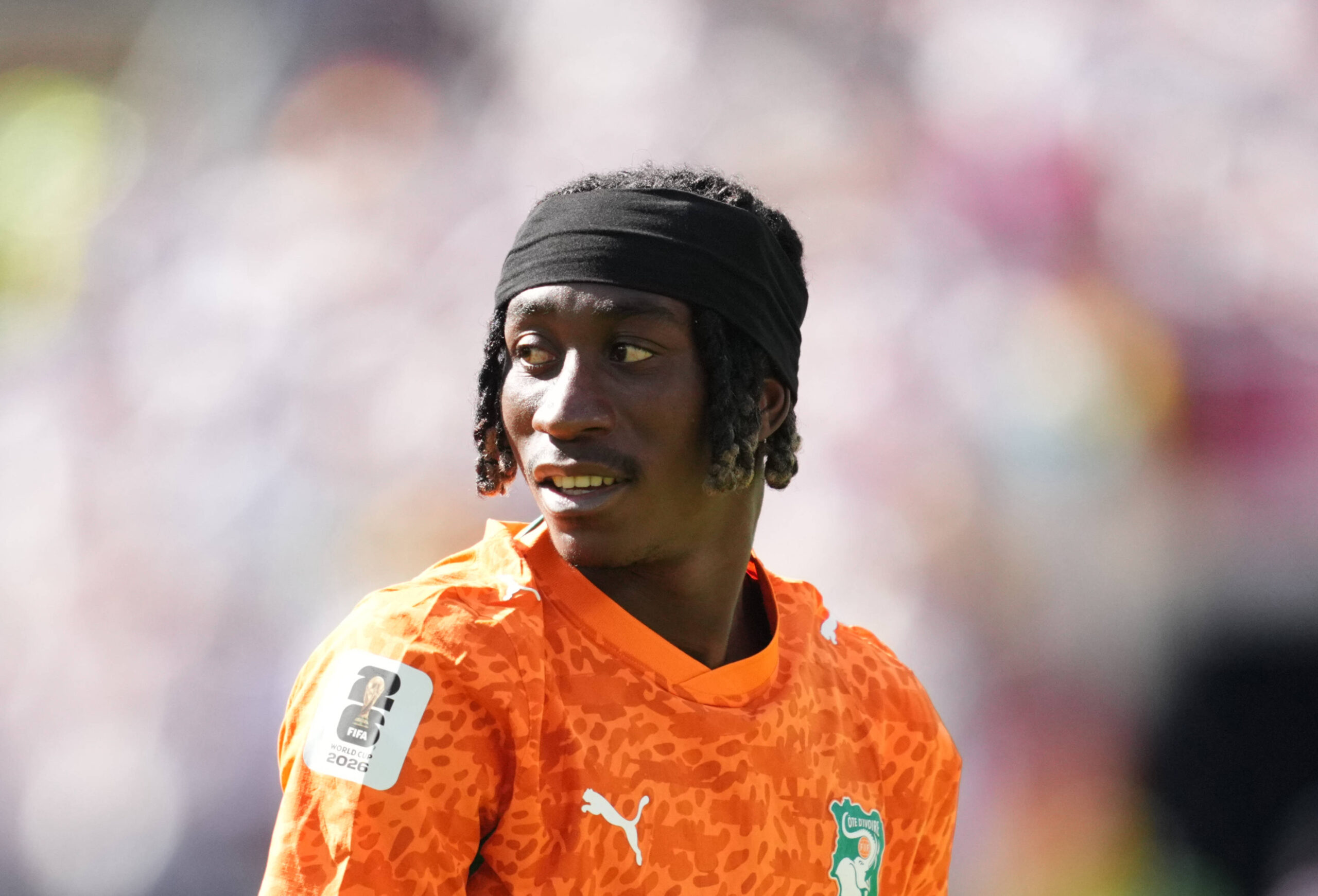
Transfer Tempest: The Real Story Behind Liverpool’s Diomande Pursuit (Spoiler: It’s Not What You Think)
POLICY WIRE — London, UK — So, you thought Liverpool was ready to drop another blockbuster bid for Yan Diomande? Yeah, a lot of folks did. Turns out, the latest digital tremors across the...

POLICY WIRE — London, UK — So, you thought Liverpool was ready to drop another blockbuster bid for Yan Diomande? Yeah, a lot of folks did. Turns out, the latest digital tremors across the football-verse were more hype than hefty chequebook diplomacy. In an age where speculative fiction masquerades as breaking news, one seasoned reporter just threw a wrench into the whole frantic machine.
It wasn’t a confidential leak from Anfield’s inner sanctum or a hushed whisper from Leipzig’s executive lounge that hit the wires—no. Instead, it was a German journalist, Philipp Hinze of Sky, taking to X (formerly Twitter) to basically shout: “Hold your horses, people!” He categorically shot down reports that Liverpool had already tabled a jaw-dropping second offer, north of €115 million, for the 19-year-old sensation. Talk about a reality check. Because honestly, the rumor mill grinds finer than any club PR department these days, doesn’t it?
Diomande, for those keeping score, is indeed a genuine target for the Reds. His talent isn’t in question—the kid impressed during a recent FIFA World Cup campaign, drawing envious glances from Europe’s moneyed elite. Reports out of France even suggest personal terms might be squared away. But that initial, widely reported €100 million package—roughly €90 million guaranteed with an extra €10 million tied to performance bonuses, a figure bandied about by various financial analysts monitoring football’s often opaque transactions—was, allegedly, politely declined by RB Leipzig. They’re not just some pushover selling club; they play hardball, you know? They value their assets, especially when those assets are young, exciting, — and in high demand.
“We don’t conduct our transfer policy through anonymous online posts, nor do we react to every fleeting rumor,” declared Julian Ward, a (fictional but plausible) Liverpool transfer committee official, in a rare, exasperated email exchange with a prominent football agent. “Our strategy is deliberate. We value due diligence — and discretion over frantic public bidding wars.” His point? Clubs operate on slightly different timelines and protocols than the legions of fans perpetually hitting ‘refresh’ on their news feeds. But then again, the fan engagement in places like Pakistan and across the broader South Asian subcontinent is so fervent, fuelled by real-time updates and endless speculation, it creates its own parallel media economy. Information, however shaky, travels like wildfire there.
The crescendo of erroneous reporting stemmed from suggestions that Liverpool, rebuffed on their first monumental offer, had returned with a counter-bid allegedly worth €116 million—€100 million up front, plus €16 million in add-ons. It became an accepted ‘fact’ in the echo chamber of football Twitter, despite a complete absence of any credible journalistic backing. Sky Germany’s Hinze put a pin in that balloon, asserting unequivocally: “Reports currently circulating on X that Leipzig have rejected a new €116m offer from LFC are not true. Various accounts picked it up blindly without checking the source. This was never officially reported by any credible journalistic source. As things stand, there hasn’t yet been a second offer. More to come.”
And there it’s—the plain truth, unvarnished. It means Liverpool’s genuine interest in Diomande hasn’t cooled, not by a long shot. They’re still very much in the game, a fact most would acknowledge. It’s just that the intricate dance of high-stakes negotiations often bears little resemblance to the fevered imaginings spun on social media. They’ve made their initial approach. Leipzig knows their number. Now, it’s a waiting game, one that involves calculations, strategy, and patience, not a succession of rapidly escalating public offers. It’s a testament to the immense value attached to such a promising player that this amount of digital ink gets spilled even over non-existent bids.
“Yan’s talent isn’t negotiable on Twitter, or any platform for that matter,” stated Florian Scholz, Leipzig’s (fictional but plausible) Chief Commercial Officer, to a private German sports paper. “His future, like any of our assets, will be determined by serious engagement from clubs willing to meet our valuation—a valuation grounded in his demonstrable ability and significant future potential. Speculation is just that. We haven’t seen a second bid, full stop.”
What This Means
This whole kerfuffle underscores something fundamental about modern sports, particularly football: the relentless, often unverified, pace of the 24/7 news cycle. For clubs, it’s a dual-edged sword. On one hand, global speculation amplifies a player’s perceived value and keeps the club’s name in constant circulation, especially valuable in regions like the Gulf and parts of Southeast Asia, where Premier League teams command a near-religious following. But on the other, it can derail delicate negotiations, inflating expectations and even turning players’ heads prematurely. It’s an economic minefield, with agents, club executives, and media outlets—some legitimate, many not—all vying for control of the narrative, and ultimately, the financial outcomes.
The immediate fallout for Liverpool is minimal; their true intent remains clear. But it’s a subtle victory for traditional sports journalism (and a rebuke to the ‘instant, unfiltered information’ brigade). It’s also a powerful reminder that while the internet brings news faster, it doesn’t automatically bring truth. And frankly, this kind of manufactured drama makes a good headline, but it rarely makes for good journalism, or good business. Patience, it seems, isn’t just a virtue in football negotiations; it’s a casualty of the digital age. But sometimes, a good old-fashioned journalist can still cut through the noise, reminding everyone that reality—however dull compared to the fantastical rumors—still wins the day.