

Philanthropy’s New Oligarchy: One Fortune Dictates Global Generosity
POLICY WIRE — Washington D.C. — They say money talks, but today, it doesn’t just talk; it bellows—often from a single, impossibly wealthy throat. America’s philanthropic landscape, once a...

POLICY WIRE — Washington D.C. — They say money talks, but today, it doesn’t just talk; it bellows—often from a single, impossibly wealthy throat. America’s philanthropic landscape, once a broad mosaic of community trusts and long-standing endowments, now sees an alarming concentration of power in a handful of individuals. It’s a fundamental reshaping, a subtle but undeniable move towards a philanthropic oligarchy that wields more influence over aid and development than many sovereign nations.
It wasn’t always this way. Traditional charity, for all its complexities, involved a multitude of actors. Neighborhood groups, faith-based organizations, regional foundations—they all had their piece. But the sheer scale of modern fortunes, those birthed from tech booms and global market dominance, is changing the calculus. We’re watching the very fabric of giving transform, and it raises uncomfortable questions about who gets to decide what global problems are worth solving, and how. [QUOTE_PLACEHOLDER]
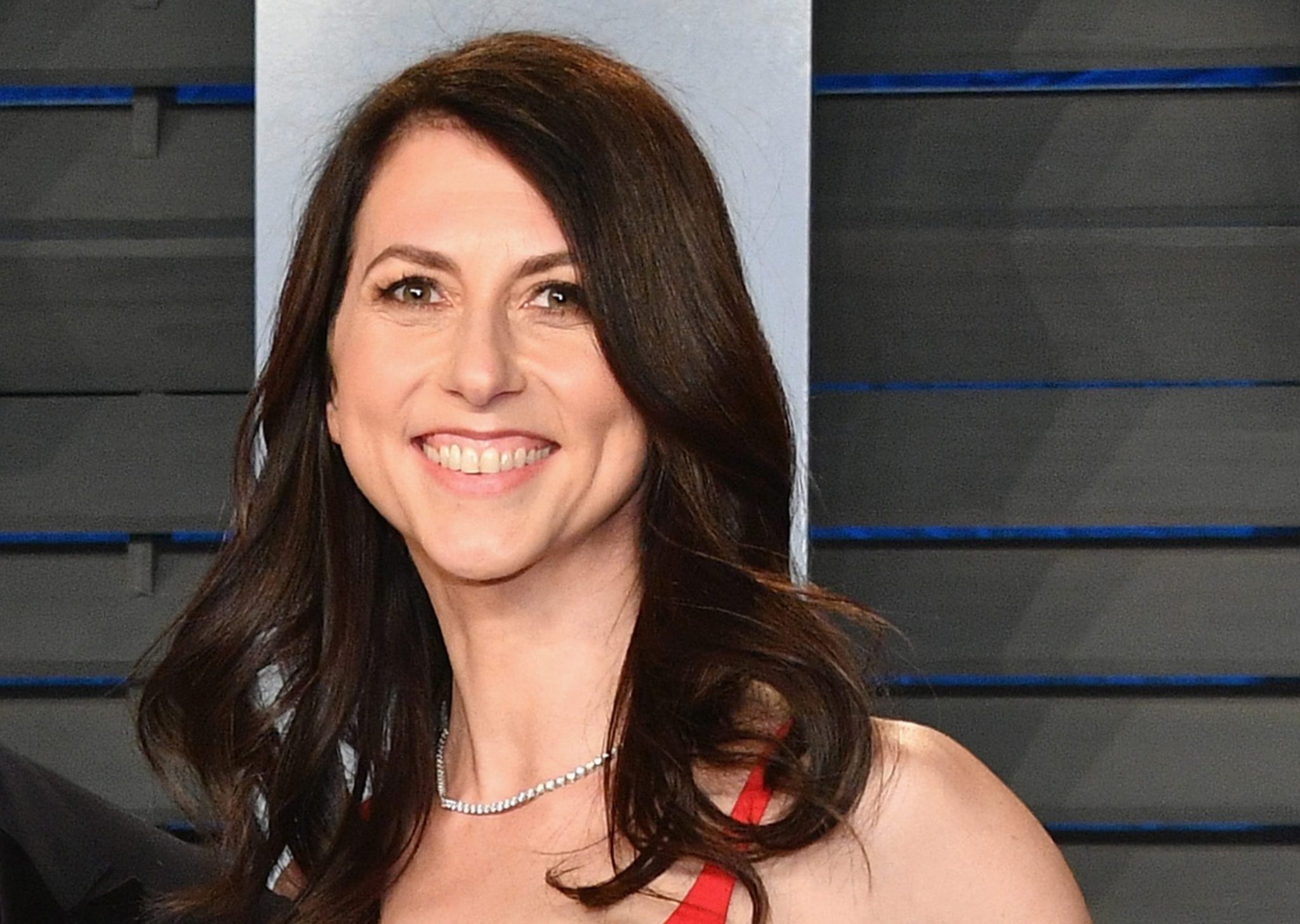
The numbers themselves are pretty stark, wouldn’t you say? Consider this: a lone individual can now warp the entire spectrum of high-end charitable giving. In an astonishing demonstration of concentrated financial sway, we’re told that MacKenzie Scott alone accounted for one-third of America’s $19.2 billion in megagifts last year. That’s not just a big check; that’s an economic force, rerouting entire rivers of capital in directions largely of her choosing. No congressional hearings. No stakeholder committees. Just a few strokes of a pen (or taps on a keyboard, more likely).
And it’s a phenomenon that extends far beyond US borders. These mega-donors don’t restrict their largesse to domestic causes. Their global reach means their priorities seep into communities from rural Appalachia to remote villages in Pakistan. Picture development aid, traditionally negotiated between governments or distributed through established multilateral organizations. Now, it’s often competing with, or sometimes overshadowed by, a single donor’s specific vision for social change. It’s not necessarily a bad vision, but it’s certainly a singular one. We’ve got to ask if this privateering of philanthropy might bypass the needs assessments of local populations, or if it might unintentionally undermine the already fragile state capacity in developing nations.
The impact in places like South Asia, with its intricate web of societal challenges and geopolitical sensitivities, is particularly acute. Initiatives funded by these colossal gifts often focus on issues deemed important by Western frameworks: climate resilience projects (a legitimate concern, absolutely), or sometimes women’s empowerment initiatives that, while well-intentioned, can sometimes run headlong into deeply entrenched cultural norms or government regulations if not handled with immense care. One might think of how some of these mega-donations could reshape the public health infrastructure in a place like Lahore or Karachi, directing resources in ways that might sidestep local governmental health priorities. It’s an unspoken soft power, reshaping development agendas with dollars rather than diplomacy. It isn’t always harmonious, mind you.
Philanthropy’s evolution isn’t static, not ever. A study published last year in the Chronicle of Philanthropy, for example, showed a measurable trend: the top 50 charitable gifts in America increasingly represent a larger percentage of total giving year over year, rising from 10% in 2000 to nearly 35% by 2023. This isn’t just about charity; it’s about control. Who holds the reins, — and what course do they plot?
But there’s a quiet apprehension lurking behind the headlines celebrating these enormous gifts. Do these mega-donors truly represent a democratic will? Do they answer to anyone? Because the stakes are incredibly high, influencing everything from education reform to international diplomacy. It’s messy. It’s complicated. And it isn’t going to get simpler anytime soon.
What This Means
The rise of hyper-individualized, mega-donor philanthropy presents a nuanced political and economic dilemma, both domestically and internationally. Politically, it signals a quiet but profound decentralization of power. Traditionally, states, through taxes — and aid agencies, decided much of the allocation of resources for public good. Now, individuals effectively run their own quasi-governmental agencies, capable of deploying billions with little oversight beyond their personal principles. This can be more agile, sure. But it also risks bypassing democratic processes — and national priorities in countries receiving the aid. It shifts influence away from elected officials and toward an unelected, hyper-wealthy elite. Think about it: an institutionally established foundation with a board and mission statement? Fine. One person with a private jet and an almost limitless bank account deciding which causes matter? That’s something else.
Economically, this concentration could have distorting effects. While it certainly pumps cash into critical areas, it also introduces a significant amount of volatility. The whims or changing priorities of one individual can impact a massive chunk of funding for specific sectors or regions, leaving organizations reliant on such grants in precarious positions. This can lead to uneven development, where certain ‘trendy’ causes receive disproportionate funding while less visible, but equally vital, issues struggle. For nations like Pakistan, navigating foreign policy and development means engaging with a new, powerful class of non-state actors who hold unprecedented financial leverage. And that’s not just a matter of charity. It’s a complex foreign policy challenge, forcing governments to reconsider their engagement strategies with these influential, yet often opaque, philanthropic entities. They aren’t NGOs. They aren’t states. They’re something new—and policymakers are still trying to catch up to their sprawling, quiet power.