
Tariff Truce on the Horizon? India-US Tensions Simmer Amid Trade Talks
POLICY WIRE — New Delhi, India — Forget the usual diplomatic pleasantries for a moment. This isn’t about handshakes and smiles—it’s about cold, hard tariffs and who blinks first. While...

POLICY WIRE — New Delhi, India — Forget the usual diplomatic pleasantries for a moment. This isn’t about handshakes and smiles—it’s about cold, hard tariffs and who blinks first. While the global spotlight often fixates on grand geopolitical shifts, sometimes the real grind happens behind closed doors, hammering out the minutiae of trade imbalances. That’s precisely what’s playing out in India this week, albeit with all the subtlety of a bull in a china shop, as it seems Washington and Delhi might just be on the cusp of an imperfect peace.
It’s an interesting dance, isn’t it? The air here’s thick with the implications of US Trade Representative Jamieson Greer’s two-day visit to India this week. But don’t get it twisted—this isn’t some fresh courtship. We’re talking about an attempt to clear the air, to perhaps even smooth over a period that’s been, let’s just say, a bit rocky. This latest push, many veterans on the beat suspect, [QUOTE_PLACEHOLDER]— a big deal for two partners often described as strategic but sometimes behave like squabbling siblings over economic policy.
Because, for the past year or so, it’s been nothing short of a headache. The bilateral relationship has certainly been [QUOTE_PLACEHOLDER] It hasn’t been pretty, with reciprocal tariffs flying faster than a Delhi auto-rickshaw through rush hour traffic. [QUOTE_PLACEHOLDER] which is fancy speak for trying to figure out which country keeps which tax on what product without causing another meltdown. But there’s a much bigger game afoot here: [QUOTE_PLACEHOLDER] It’s an admission, really, that things have veered off track and both capitals recognize the need to nudge the relationship back toward something more productive.
However, it’s never that simple, is it? Especially not when agriculture enters the chat. India’s agricultural sector isn’t just an industry; it’s a political fortress, untouchable — and utterly sensitive. This is exactly where the US finds its most stubborn obstacle, as [QUOTE_PLACEHOLDER] Imagine trying to negotiate agricultural access with a country whose farming livelihood is tied directly to the ballots cast by millions. It’s not just an economic calculation; it’s a social — and political minefield. Any perceived compromise here can — and often does — spark massive domestic discontent, a fact no ruling party, least of all the one currently in power in Delhi, can afford to ignore.
And let’s not pretend this trade ballet exists in a vacuum. Just look at the broader regional dynamic. While India and the U.S. wrestle over steel and spices, neighboring nations—particularly Pakistan—are keenly observing. The implications for regional economic stability are never far from view, particularly when these major players negotiate. Washington’s engagement in South Asia, from counter-terrorism efforts to broader human rights concerns, always casts a long shadow over bilateral trade discussions. India, too, maintains its watchful eye, balancing its burgeoning global aspirations with deeply entrenched domestic interests.
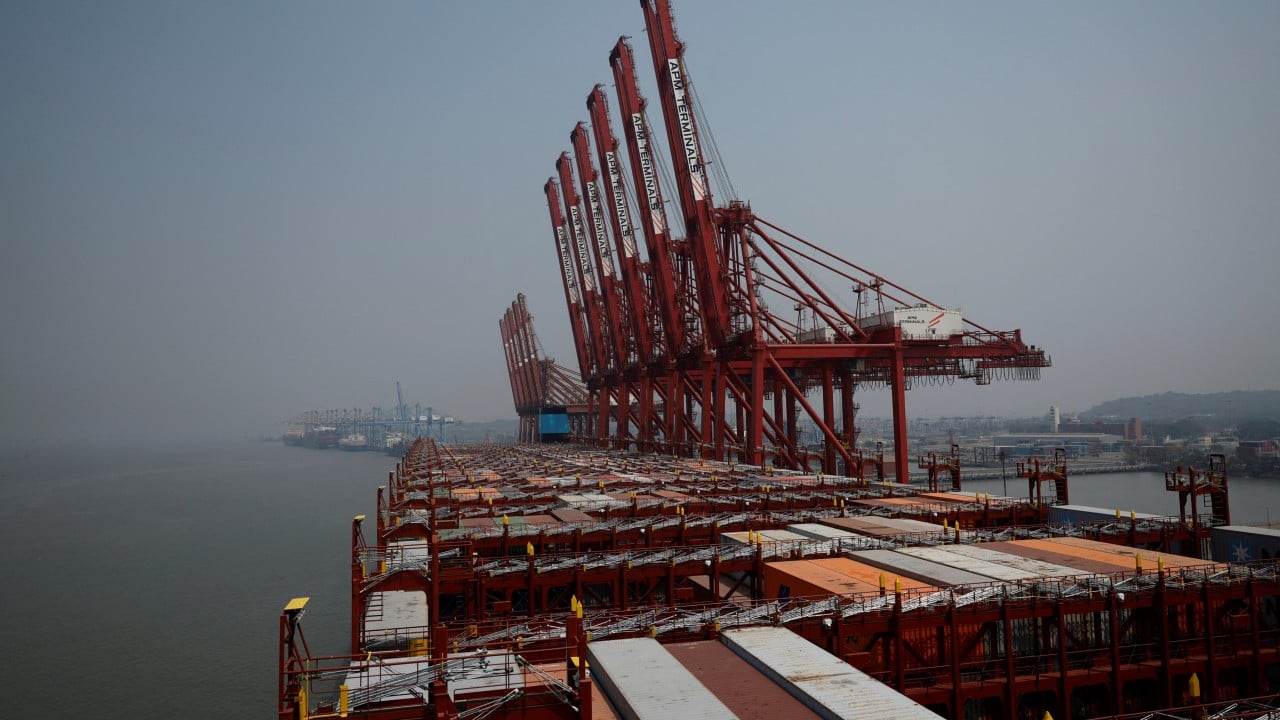
But the numbers don’t lie. Despite the rhetoric, the trade figures have only continued to grow, illustrating an unavoidable interdependency. Last year, two-way trade between the U.S. and India hit a robust $120 billion, according to data released by the U.S. Department of Commerce. That’s a significant leap, isn’t it? Meaning, for all the diplomatic skirmishes, neither side can genuinely afford to pull the plug. The stakes are just too high— economically and strategically.
It’s about balancing conflicting priorities. For the U.S., market access for its agricultural produce — and intellectual property protection are top asks. For India, it’s about preserving a certain autonomy in policy, securing visas for its IT professionals, and ensuring equitable treatment without ceding too much on crucial sectors like farming. The visit, in short, isn’t about friendship, it’s about pragmatic adjustments and making the best of a sometimes awkward but absolutely necessary partnership. Think of it as patching up a ship while still navigating stormy seas.
What This Means
This round of discussions, regardless of immediate breakthrough, carries significant weight. Politically, a partial truce or a tangible path forward on tariffs offers both governments a victory to present domestically. For President Biden’s administration, demonstrating progress with a key Indo-Pacific ally, especially as tensions simmer elsewhere, reinforces its diplomatic agenda. And for Prime Minister Modi’s government, showing an ability to negotiate with a global power while safeguarding national interests plays well with his base.
Economically, reducing tariffs means less friction for businesses. Less friction usually translates to increased investment and more streamlined supply chains, eventually benefiting consumers on both sides. The continued emphasis on India’s [QUOTE_PLACEHOLDER] though, tells us that any agreement will likely be incremental rather than revolutionary. We’re not seeing a grand, all-encompassing free trade agreement just yet, but more a chipping away at specific irritants. And for broader South Asia, an even slightly more stable economic relationship between its two giants offers a calmer backdrop for regional trade and security considerations. It’s not all about trade; it’s about optics and influence. These aren’t just tariffs; they’re chess pieces on a much larger board.