


Gulf of Oman Strike Exposes Cracks in Quad’s Critical Mineral Ambitions Against China
POLICY WIRE — New Delhi, India — The fallout from a recent US strike on an oil tanker in the Gulf of Oman extends far beyond the immediate, tragic consequences....

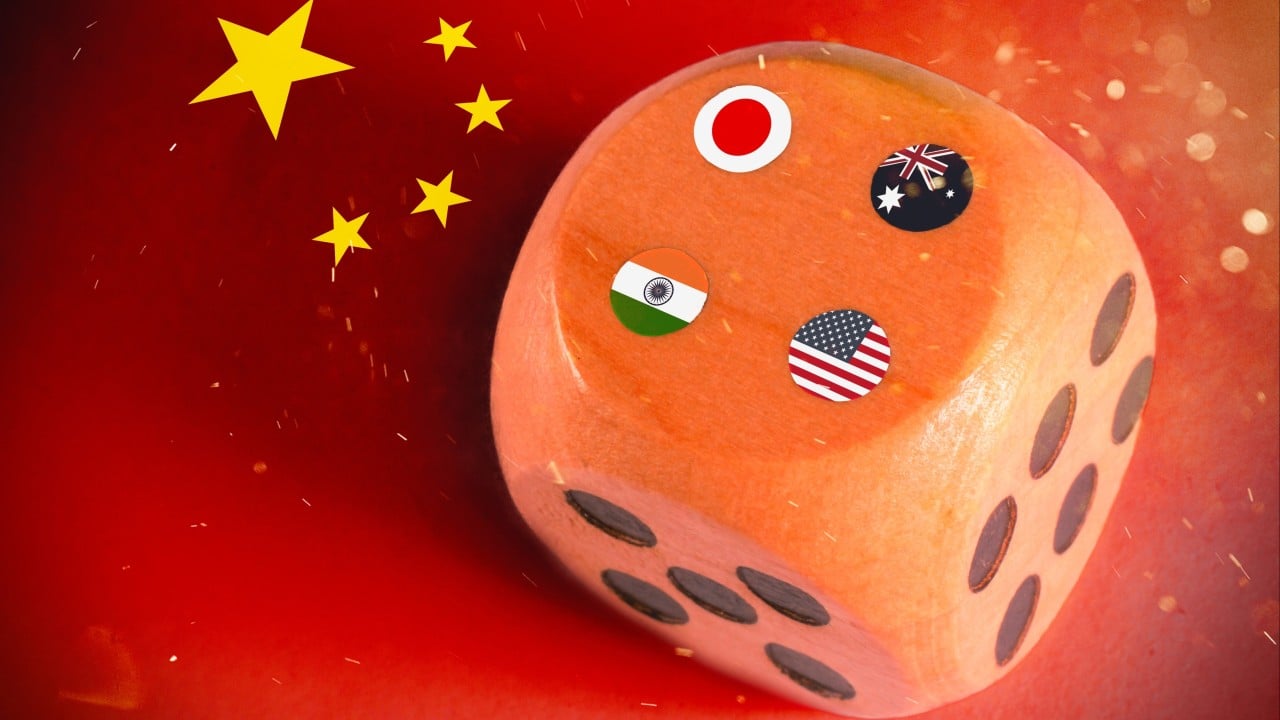
POLICY WIRE — New Delhi, India — The fallout from a recent US strike on an oil tanker in the Gulf of Oman extends far beyond the immediate, tragic consequences. This incident, which claimed the lives of three Indian sailors, has profoundly undermined relations between the United States and India. More broadly, it has cast a significant shadow of doubt over the intrinsic unity and efficacy of the Quad – an informal yet strategically pivotal bloc comprising the United States, Japan, Australia, and India. The alliance’s ambitious, long-term agenda, centered on dismantling China’s near-monopoly on critical minerals, now appears to face formidable new challenges.
According to recent wire reports, the US action, occurring earlier this month, has injected fresh volatility into a region already characterized by intricate geopolitical maneuvering. The immediate impact on Indian personnel has reverberated across diplomatic channels, leading to a palpable strain in New Delhi’s engagement with Washington. For an alliance like the Quad, whose effectiveness relies heavily on mutual trust and coordinated policy, such an event can be particularly destabilizing. The core objective of the Quad, beyond broad security cooperation, has increasingly focused on economic resilience and strategic resource independence.
Specifically, the grouping has articulated a clear intent to address what many nations view as an overreliance on China for critical minerals – essential raw materials indispensable for advanced technologies ranging from electric vehicles to defense systems. Beijing’s dominant position in both the mining and processing of these minerals has long been a point of strategic vulnerability for other global powers. The Quad’s strategy has been to diversify supply chains, invest in alternative sources, and foster collaborative frameworks to ensure a more balanced and secure global critical minerals landscape.
However, the burgeoning tensions between Washington and New Delhi, exacerbated by the tanker incident, risk fracturing this carefully constructed strategic consensus. Persistent fissures between the United States and India could inevitably decelerate the Quad’s momentum, particularly concerning these vital economic and resource security initiatives. The group’s ability to present a united front in its efforts to lessen China’s grip could be significantly compromised if internal friction continues to grow. An alliance built on the premise of collective action against perceived geopolitical and economic challenges requires a robust, unfettered commitment from all its members.
The incident highlights the complex interplay of maritime security, national interests, — and alliance dynamics. Any military action, especially one involving collateral damage to a partner nation’s citizens, naturally triggers intense diplomatic scrutiny and public outcry. For India, a nation with a burgeoning economy and significant maritime interests, the loss of life under these circumstances is a serious matter with broad domestic and international ramifications. The need for robust communication and transparent processes within the Quad is now more evident than ever to prevent such incidents from becoming deeper wedges in the alliance’s foundational principles.
The broader implications touch upon the Quad’s very raison d’être. While formed as an informal strategic dialogue, its growing importance stems from a shared desire among member states to address challenges in the Indo-Pacific, including assertive Chinese regional influence. If a key member like India feels its core national interests, or those of its citizens, are not adequately considered or protected, it inevitably weakens the collective resolve. This isn’t merely about abstract geopolitical alignment; it’s about the tangible commitment required to operationalize complex economic and security strategies, like establishing parallel critical mineral supply chains.
Even as the immediate incident is navigated, the long-term strategic objective remains. Diversifying critical mineral sources is a monumental undertaking, requiring vast investments, technological coordination, and enduring political will. The mere prospect of renewed friction can deter potential investors and delay key infrastructural developments needed for alternative supply routes and processing facilities. Beijing, aware of these dynamics, will undoubtedly be watching closely for any signs of wavering commitment or disunity within the Quad, which could inadvertently solidify its existing advantages.
What This Means
The US strike in the Gulf of Oman, and its direct impact on India, represents a tangible test of the Quad’s resilience and diplomatic dexterity. While the stated goal of loosening China’s critical mineral monopoly is clear and broadly supported among member states, the execution of this strategy demands unparalleled cohesion. Any significant downturn in US-India relations could become a critical vulnerability, slowing down collaborative projects and dampening the collective enthusiasm required for such a gargantuan undertaking. Historically, even the most robust alliances have foundered on internal disagreements, especially when national sensitivities are triggered. For the Quad, the current challenge is to demonstrate that its members can navigate complex, unforeseen incidents without losing sight of their overarching strategic goals. The question remains: can the Quad harness a ‘counter-unifying force’ to overcome these persistent fissures, or will the growing mistrust erode the momentum necessary to fundamentally alter the global critical mineral landscape?