
Indian Crude Tankers Traverse Hormuz Amid Unresolved Geopolitical Tensions
POLICY WIRE — Dubai, UAE — In a region perennially on edge, three supertankers with ties to India have made their passage through the volatile Gulf of Oman, rea...

POLICY WIRE — Dubai, UAE — In a region perennially on edge, three supertankers with ties to India have made their passage through the volatile Gulf of Oman, reappearing after a period that saw them navigating the waters leading to the Strait of Hormuz. Their reappearance on Sunday signals both the routine necessity of global energy trade and the persistent undercurrents of geopolitical tension that define the vital waterway. (Reporting based on wire reports)
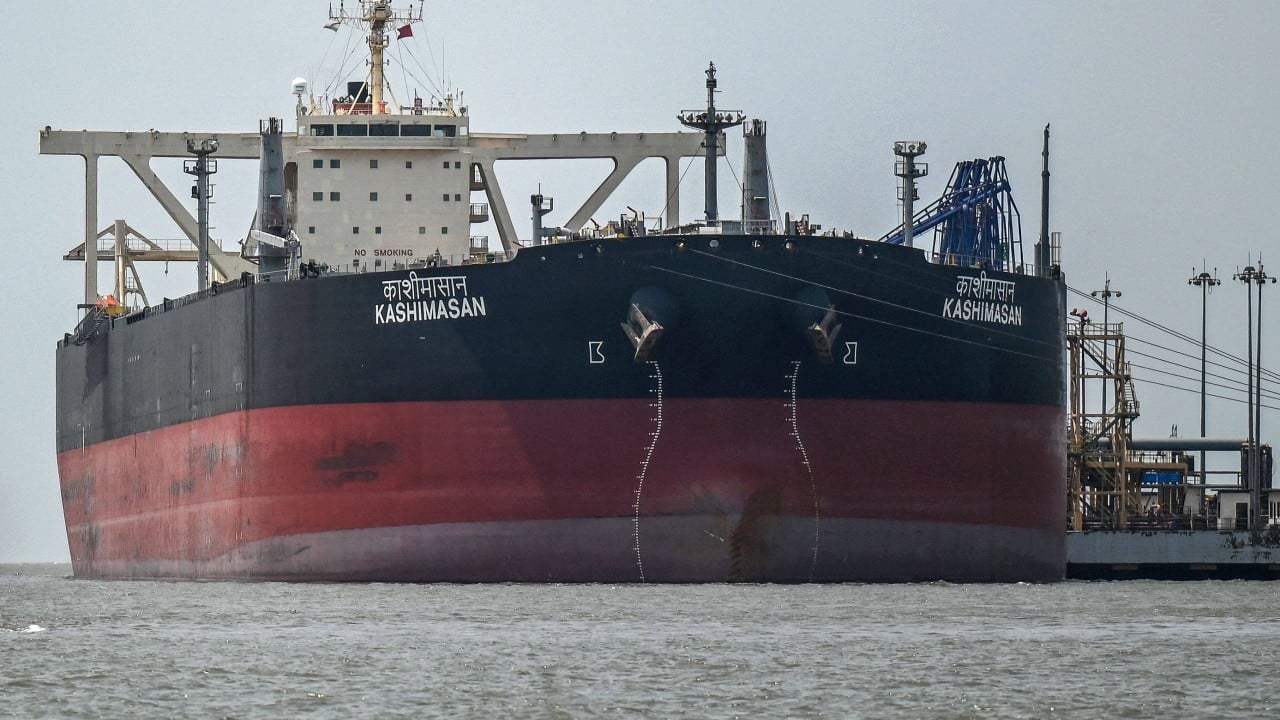
The vessels, identified as the Desh Vibhor, Desh Vaibhav, and Sanmar Herald, were observed in the Gulf of Oman and the Arabian Sea. Their current positions became clear just days after they were last reported signalling their intent to cross the Strait of Hormuz late on Friday. Such movements are typically standard fare for the world’s energy supply chain; however, the ongoing diplomatic frictions and differing stances concerning maritime navigation in the area lend heightened significance to each transit.
Indeed, reports accompanying the tankers’ movements point to “conflicting narratives over the status of transits” in the region, even as “increased reports of traffic moving both ways across the northern and southern routes of the Strait of Hormuz” emerge. This persistent ambiguity surrounding passage rights — and perceived threats keeps global stakeholders vigilant.
The Strait of Hormuz, a narrow maritime choke point between the Persian Gulf and the Gulf of Oman, is perhaps the single most strategically important passageway for global oil supply. Approximately one-fifth of the world’s total petroleum liquids consumption, and roughly one-third of the world’s liquefied natural gas (LNG), transits this strait daily. Its geopolitical significance is almost impossible to overstate, directly impacting global energy prices and the economies reliant on steady energy flows.
For nations like India, a rapidly growing economy with substantial energy needs, safe and unimpeded access through the Strait is paramount. India is a major importer of crude oil, with a significant portion of its imports originating from the Middle East, requiring passage through this very bottleneck. The three tankers in question, fully laden, likely carried vast quantities of crude essential for the subcontinent’s industrial and domestic consumption. Their successful transit, therefore, offers a momentary exhale in an otherwise tense operating environment.
The “conflicting narratives” alluded to in the original reporting typically stem from divergent interpretations of international maritime law, territorial claims, and differing security postures by regional actors and global powers. Without more specific detail in this particular report, it remains broadly understood that such ‘narratives’ involve various parties, including Iran, the United States, and their respective allies. These often manifest as disputes over the patrolling of waters, inspection rights, and the legitimacy of naval presence.
These frictions are not new. For decades, the region has been a focal point for international security concerns, with intermittent incidents involving commercial shipping, naval confrontations, and threats to block the strait. These historical tensions underscore why the movement of every tanker is scrutinized, and why the clarity surrounding transit status is so crucial for stability and global commerce.
What This Means
The successful transit of the Desh Vibhor, Desh Vaibhav, and Sanmar Herald offers a snapshot into the complex reality of maritime commerce in a contested zone. It reinforces that despite ongoing geopolitical differences, the critical flow of oil continues, albeit under a watchful international eye. For policymakers and energy markets alike, the continuous safe passage through the Strait of Hormuz is not merely a logistical matter but a barometer of regional stability.
The existence of “conflicting narratives” about transit status suggests a persistent diplomatic impasse or ongoing security disagreements that have yet to be fully resolved. This ambiguity creates inherent risks for all vessels traversing the strait, forcing shipping companies and their flag states to exercise extreme caution and rely on detailed intelligence to navigate. Any disruption, real or perceived, has immediate repercussions on oil futures — and the broader global economy.
Looking ahead, the movement of these tankers highlights the intricate dance between energy demands and geopolitical realities. As discussions continue regarding broader US-Iran relations — including previous attempts at dialogue and easing of certain restrictions, as noted in previous coverage, see US Lifts Decades-Old Sanctions, Authorizes Iranian Oil Sales Amid Peace Push — the direct impact on critical waterways like the Strait of Hormuz will remain a primary focus. The continuing regularity of supertanker transits, even in the face of underlying tensions, remains a critical if sometimes fragile, constant in the world’s energy landscape. For India, maintaining diverse sourcing and ensuring the security of its supply lines through these waters will continue to be a paramount strategic imperative.