


Lincoln Memorial Reflecting Pool Set for More Repairs Just Weeks After US$14.7 Million Renovation
POLICY WIRE — Washington, D.C. — The Lincoln Memorial Reflecting Pool, a venerable fixture on Washington’s National Mall, faces the ignominy of being drained on...

POLICY WIRE — Washington, D.C. — The Lincoln Memorial Reflecting Pool, a venerable fixture on Washington’s National Mall, faces the ignominy of being drained once more for repairs. This comes only weeks after the completion of a significant US$14.7 million renovation project, a development that raises questions about the longevity and quality of the recent works.
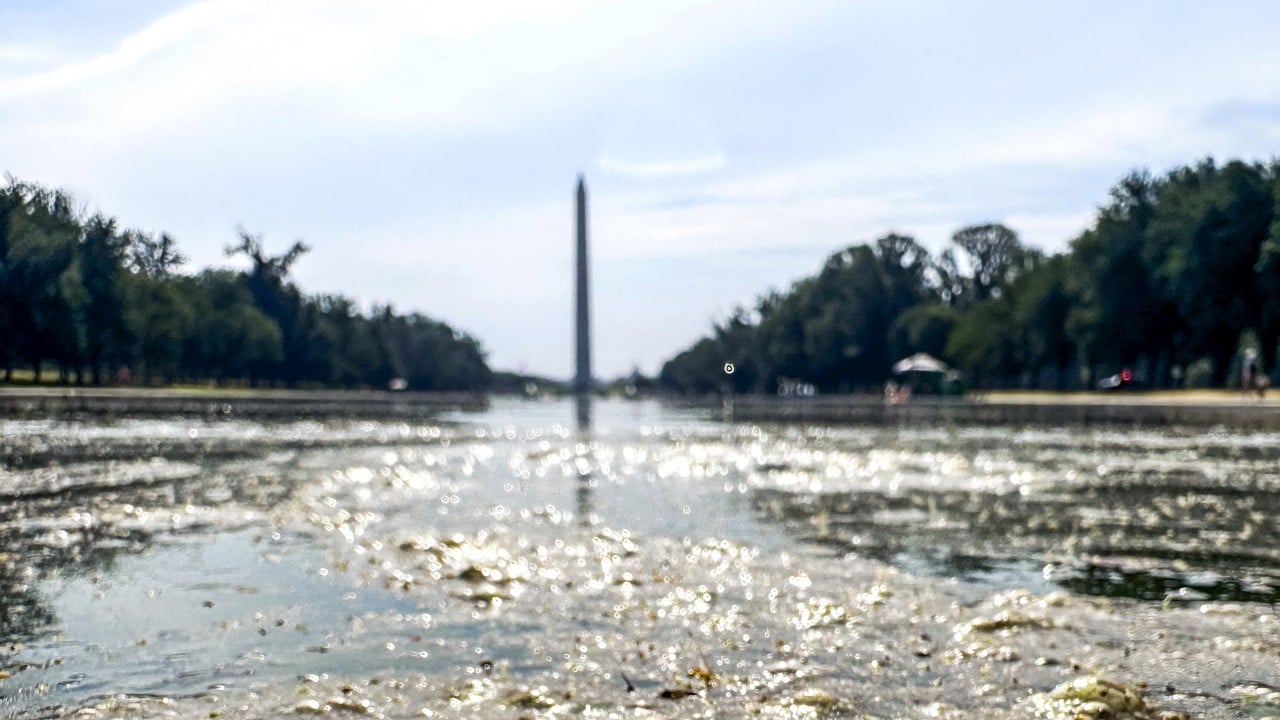
Problems including persistent algae growth and noticeable peeling paint have necessitated this unexpected second round of intervention. The issue is acute enough that the pool, a central part of the nation’s capital landscape and a site for numerous historical gatherings and events, will once again be out of commission for maintenance.
The DC Water authority formally issued a permit for the drainage of the substantial 609-meter rectangular pool earlier this week. In a development that provides some measure of recourse for taxpayers, the company responsible for the recent overhaul has indicated that it will undertake the necessary fixes as part of its existing warranty agreement. President Donald Trump, weighing in on the matter, had threatened prison time for anyone caught damaging the pool.
Such large-scale public works projects invariably attract public scrutiny, particularly when significant taxpayer funds are involved. A US$14.7 million renovation represents a substantial investment in the preservation of a national landmark. The swift recurrence of issues — peeling paint and algae growth manifesting within a short span — casts a spotlight on the efficacy of the renovation process and the materials employed.
The Reflecting Pool is more than just a body of water; it’s a symbolic landscape feature, integral to the experience of the National Mall. It stretches eastward from the steps of the Lincoln Memorial, providing a dramatic visual axis that culminates at the Washington Monument. Millions of visitors each year — from tourists to protestors exercising their First Amendment rights — interact with this space. Its condition, therefore, is not merely an aesthetic concern but one of civic pride — and functionality.
The underlying causes for such rapid deterioration after a comprehensive renovation can be manifold. They might range from environmental factors unique to an open-air, shallow body of water in an urban setting to potential issues with the application of coatings or the formulation of the paint itself. Construction warranties exist precisely for these scenarios, serving as a safeguard for public funds by ensuring that contractors are accountable for the quality and durability of their work for a specified period.
For the DC Water authority and the National Park Service, which oversees the National Mall, this situation presents a logistical challenge. Draining, repairing, and refilling such a large volume of water is neither a quick nor inexpensive process, even if the direct repair costs are covered by a warranty. The broader implications include the temporary closure of a significant public amenity and the perception of a misstep in a highly visible national project.
What This Means
The swift need for further repairs at the Lincoln Memorial Reflecting Pool underscores the inherent complexities and challenges of maintaining large-scale public infrastructure, even after significant capital investment. While the availability of a warranty ensures that the repair company will bear the direct financial cost of rectifying the peeling paint and algae growth, the incident highlights the broader issues around quality control, materials science, and environmental resilience in major renovation projects.
It also brings into focus the continuous operational costs and public impact associated with the upkeep of national landmarks. For public agencies responsible for these assets, each recurrence of an issue provides valuable, if unwelcome, data for future planning and procurement. The question remains how long this cycle of renovation and repair will continue to be a feature of the pool’s storied existence, and what long-term solutions, beyond cyclical maintenance, might be considered to ensure the longevity of this iconic American symbol.