
Quiet Diplomacy of Pakistan: The Rise of Islamabad as the Mediator Between Washington and Tehran
For many years, the clash between Washington and Tehran has been among the most constant and intricate dividing lines in world politics. Grounded in years of mutual distrust, ideology, security...

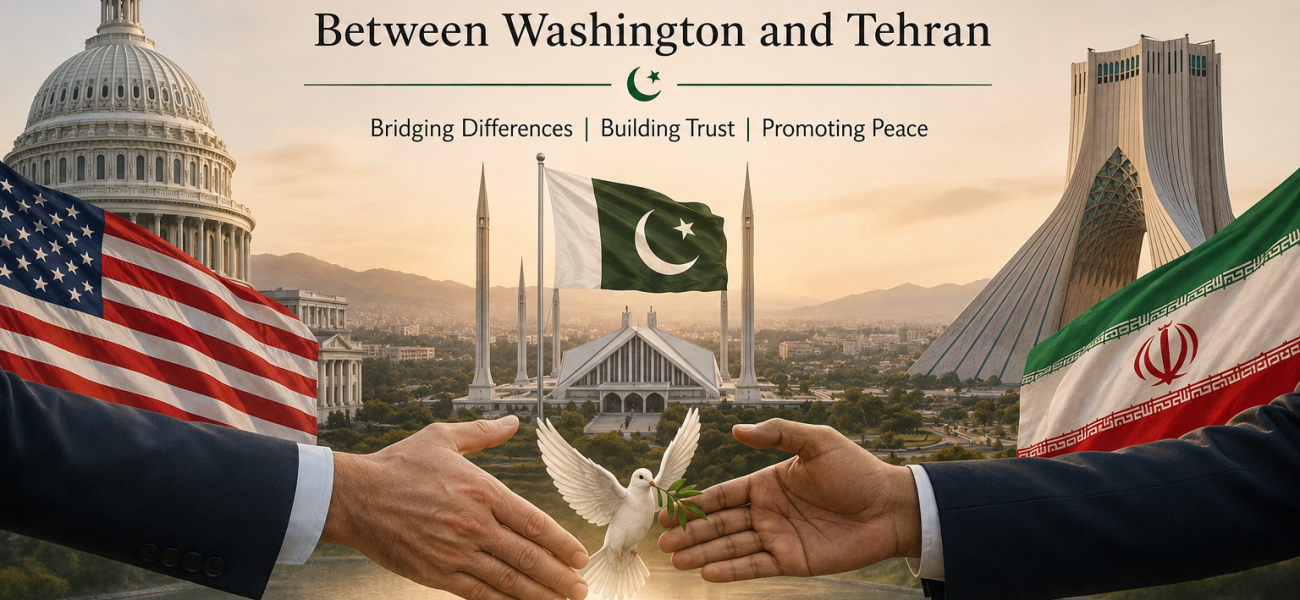
For many years, the clash between Washington and Tehran has been among the most constant and intricate dividing lines in world politics. Grounded in years of mutual distrust, ideology, security issues, disputes over nuclear programs, and conflicting interests in the region, the conflict between the US and Iran has always made the Middle East and the international community face unpredictable situations. In such a context, the role played by Pakistan in the dialogue between Washington and Tehran is not just an important diplomatic development, but also an important milestone for the role of Islamabad as a regional power.
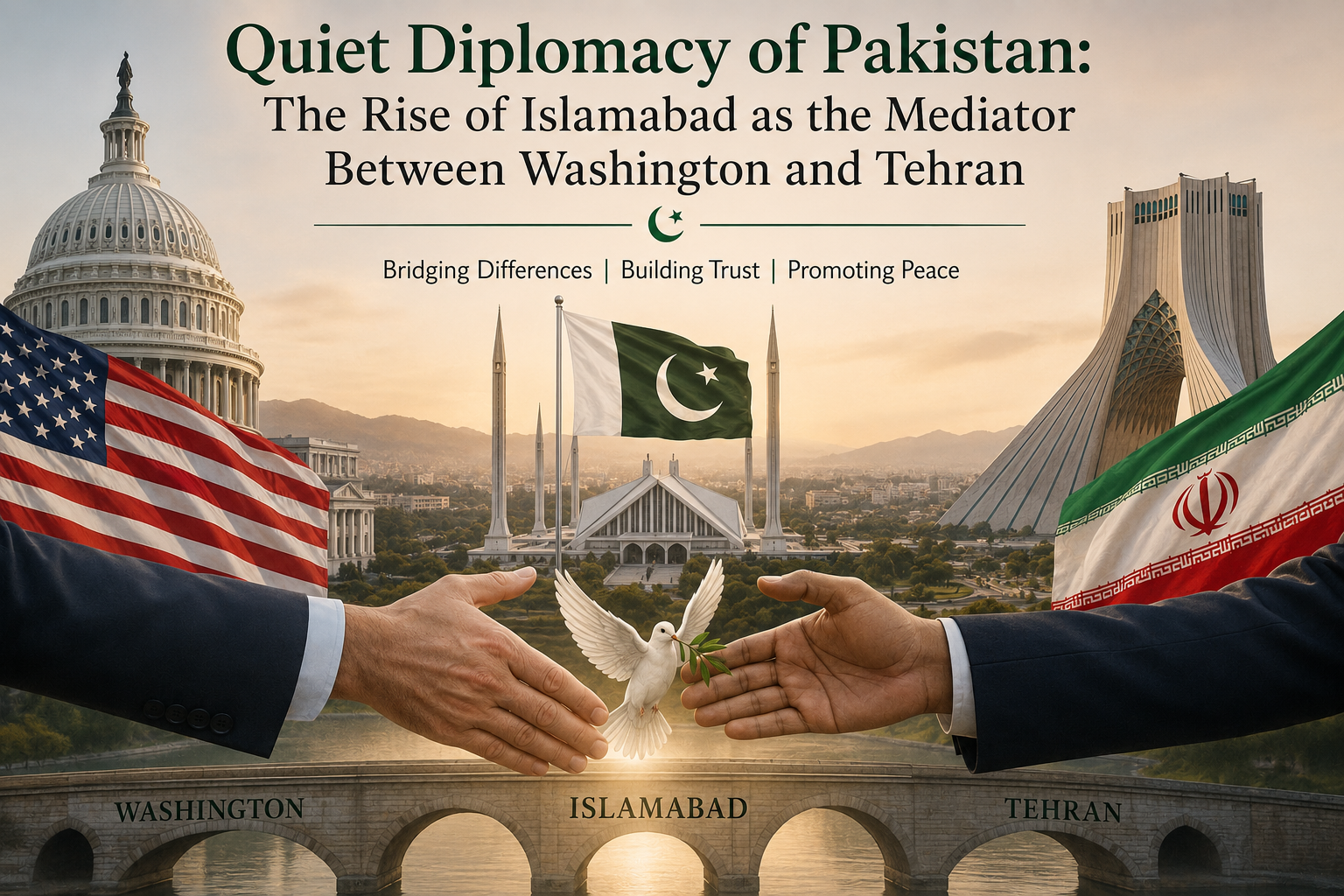
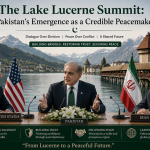
The first round of negotiations between the US and Iran in Switzerland with the mediation of Pakistan and Qatar demonstrates the increased role of middle powers in the settlement of problems that are difficult for major countries to solve. While Qatar is becoming an experienced mediator in many international crises, the role of Pakistan in this process is especially strategically significant because of Islamabad’s long-term diplomacy with both sides.
However, the case of Pakistan differs significantly from those described above. While most actors involved in a rivalry maintain diplomatic communications only with the country which stands on their side, Islamabad enjoys diplomatic relations with both countries. On the one hand, the relations with the United States remain strong, while on the other hand, Pakistan shares significant cultural, geographical and economic links with Iran.
Thus, the importance of Pakistan’s involvement in the rivalry can be seen better in the context of stability in the region. In the case when the situation between the two rivals escalates further, the consequences would go far beyond their bilateral relations. The Gulf region is still a key area for energy and trading routes. Therefore, any confrontation in the area might affect many other countries including Pakistan.
For Pakistan’s leadership in Islamabad, enabling the process of dialogue serves their strategic goal of ensuring regional peace and preventing the aggravation of conflicts. For the Pakistani government, it is quite clear that there is no other way to provide sustainable security in the region besides diplomacy and political solutions rather than confrontations and threats.
Moreover, there is an evident trend in today’s geopolitics of how such intermediary countries, which can mediate the confrontation of blocs, gain an important place on the international stage. Geographical relevance, diplomatic flexibility, and credibility of a country are now critical factors in international relations and in resolving conflicts. Involvement of Pakistan in the current diplomatic process proves that diplomatic credibility plays an important role in international politics.
Moreover, the involvement of Islamabad in such negotiations will increase the strategic importance of the city during a period when the entire region is going through significant changes in the field of geopolitics. It should be noted that the geographical location of Pakistan provides access from South Asia to Central Asia and the Middle East, and any diplomatic activity is important in order to ensure the region’s connectivity. Besides, a successful dialogue between the two powers can provide certain economic opportunities, including energy and trade ones.
Nevertheless, mediation is always a rather difficult matter, especially if there is a dispute that lasts for decades. Therefore, the success of future talks will depend on the desire of both countries to overcome existing discrepancies. They include issues of security, sanctions, nuclear questions and influence in the region. However, the Pakistani role here is not aimed at resolving the dispute immediately but at creating such an atmosphere of communications.
The significance of the event is that it demonstrates diplomacy despite the longstanding history of conflict between parties that have hostile relations towards each other. The participation of Pakistan reveals the power of diplomacy and illustrates how the region can be active participants in international peacemaking initiatives.
This event is an opportunity for Pakistan to demonstrate its maturity and relevance on the global stage. By acting as a facilitator and not siding with one of the parties involved, Pakistan will be able to prove that it is an active regional stakeholder that is interested in dialogue and peace-making. In times when international politics is dominated by rivalry and division, the diplomatic involvement of Pakistan in organizing talks between Washington and Tehran is a reminder that sometimes the most effective stance is not participating in a conflict but providing an opportunity for peace.
Author