

Interfaith Center Rises From Ash, Community Scrutinizes Slow Justice in Arson Case
POLICY WIRE — Albuquerque, USA — One could imagine the scent of scorched timber still clinging to the New Mexico air, long after the last ember cooled. But that particular brand of acrid resignation...

POLICY WIRE — Albuquerque, USA — One could imagine the scent of scorched timber still clinging to the New Mexico air, long after the last ember cooled. But that particular brand of acrid resignation isn’t what defines the Interfaith Bible Center today. Not quite. Instead, it’s the quiet, stubborn grind of beginning again—a ritual familiar to communities tested by unexpected fury. Three months past a devastating blaze, this Albuquerque spiritual anchor, damaged by what its leader contends was intentional destruction, is slowly piecing itself back together. It’s a testament to raw persistence, if not exactly to swift resolution.
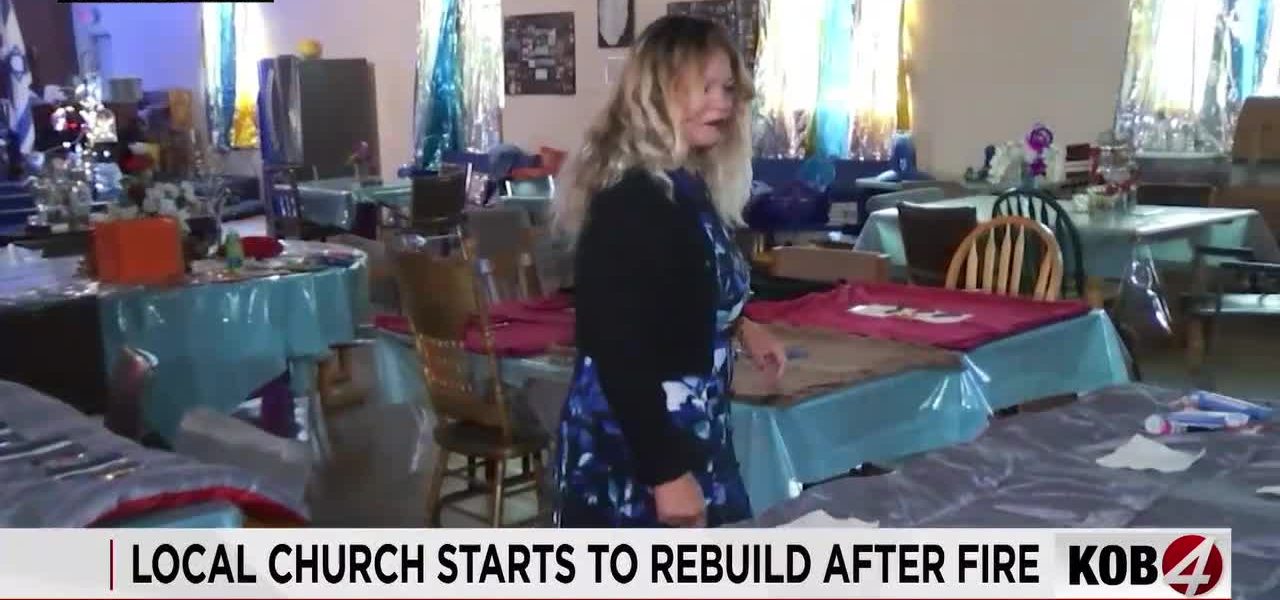
Pastor Joanne, a woman who navigates the bureaucratic maze with an evangelist’s determination, is steering this revival. She hasn’t waited for formal pronouncements from officialdom, instead planting flags of hope for her congregants. She stated unequivocally that the church could finally start rebuilding. It wasn’t just wood — and plaster that burned, of course. It was a space, a sanctuary. And its absence created a crater in the community infrastructure.
The fire hit hard back in April. Damage was extensive—what with the flames, smoke, and water. A lot of folks thought the entire operation would just… fold. But churches, much like certain stubborn weeds, often find a way to grow through concrete. They’ve kept serving hot meals, they’ve distributed clothes, — and their shelter program for people without housing? It’s still running strong, right across the street. Life, it turns out, goes on, even when parts of your physical foundation literally crumble.
But there’s a persistent question, hanging in the air like that imagined smoke. Was it accident or malice? For Pastor Joanne, the answer is disturbingly clear. She strongly believes arson caused the fire, articulating a sentiment many in the local community quietly echo. “We were all in shock. But, and it was arson, it was arson. Think there was multiple people that did it, and it just, it was really hard for all of us,” she shared, her words a chilling echo of the initial trauma. It’s not just a hunch; it’s an intuition born of living through it. And she’s not wrong to have questions.
Local media, specifically KOB 4, tried to get some concrete answers, reaching out to Albuquerque Fire Rescue. Their response was as tight-lipped — and unilluminating as often the case with ongoing investigations. The agency indicated the investigation remains open and active. Translation: they’re working on it. Maybe. Or they aren’t. Who’s to say for sure?
This saga in Albuquerque isn’t just about a church building; it’s a stark reminder of a broader vulnerability. Across the globe, places of worship—churches, mosques, temples—are soft targets, often bearing the brunt of societal tensions or outright extremism. In Pakistan, for example, minority faith institutions, particularly Christian churches and Hindu temples, have historically faced a chilling succession of attacks, frequently driven by sectarian animosity or accusations of blasphemy. The initial shock, the lingering fear, the painful process of rebuilding: these aren’t uniquely New Mexican experiences. They’re sadly universal. The precise motives might differ, but the impact of an intentional assault on a spiritual home is, fundamentally, the same, whether it’s in Lahore or the American Southwest. A recent report from the FBI, released in 2023, highlighted 181 incidents of arson against religious institutions in the U.S. during the previous year alone, pointing to a persistent, worrying trend.
📄 POLICY WIRE WHITEPAPER PUBLISHED: PAKISTAN'S NATIONAL SECURITY POLICY PRIORITIES
👉 READ BY CLICKING HEREAnd that’s why the delay in official closure grates. For Pastor Joanne and her congregants, certainty isn’t a luxury; it’s a form of restorative justice, an acknowledgment of the severity of the violation. Uncertainty prolongs the trauma, fueling speculation — and hindering genuine healing. People need to know their sacred spaces aren’t simply convenient outlets for anonymous ire.
What This Means
The suspected arson at the Interfaith Bible Center, coupled with the sluggish pace of official investigation, carries significant, though often unspoken, political and economic ramifications. Politically, it signals a potential erosion of trust between a vulnerable community and the institutions tasked with their protection. When a faith leader overtly points to arson, — and authorities remain mum for months, it doesn’t inspire confidence. It can foster feelings of neglect or, worse, indifference, chipping away at civic engagement and collective faith in justice mechanisms. It also feeds into larger narratives about public safety and the prevalence of hate-motivated crimes, compelling local leaders to reckon with how effectively they’re safeguarding their diverse citizenry.
Economically, the impact is less direct but no less potent. Rebuilding a substantial structure, even with insurance, represents a considerable financial drain—diverting resources that could otherwise be used for community outreach, social programs, or simply improving the daily lives of the marginalized individuals the church serves. Donations, grants, volunteer efforts—all essential for recovery—become responses to a crisis rather than proactive investments in community welfare. This unplanned expenditure forces a re-prioritization, often at the expense of other much-needed services. Beyond the immediate costs, there’s the subtle yet persistent economic impact of fear: if places of community gathering are perceived as targets, it can deter attendance, participation, and even residential choices, subtly stifling social and economic vibrancy in the surrounding neighborhood. It’s a localized, tragic tax on resilience itself, paid for in frustration — and redirected energy.