

Inferno’s Shadow: Pelada Fire Reignites Familiar Western Nightmare in Santa Fe
POLICY WIRE — Santa Fe, N.M. — It’s a distinct smell, isn’t it? That acrid tang of distant combustion carried on a breeze, a smell many out here have learned to recognize long before local news...

POLICY WIRE — Santa Fe, N.M. — It’s a distinct smell, isn’t it? That acrid tang of distant combustion carried on a breeze, a smell many out here have learned to recognize long before local news alerts flicker on our screens. This week, that familiar scent—that creeping unease—has once again draped itself across Santa Fe. It’s not just another dry spell; it’s a wildfire, and like too many before it, its genesis remains shrouded in a peculiar, unsettling silence.
On Tuesday evening, a new blaze, dubbed the Pelada Fire, decided to make its uninvited debut. It sprouted just east of El Gancho — and Old Santa Fe Trail, right there at the doorstep of the ancient city. Folks in the area, they’re not just watching the smoke plumes, no, they’re watching history repeat itself. Or, maybe, escalate. (Awaiting official quote)
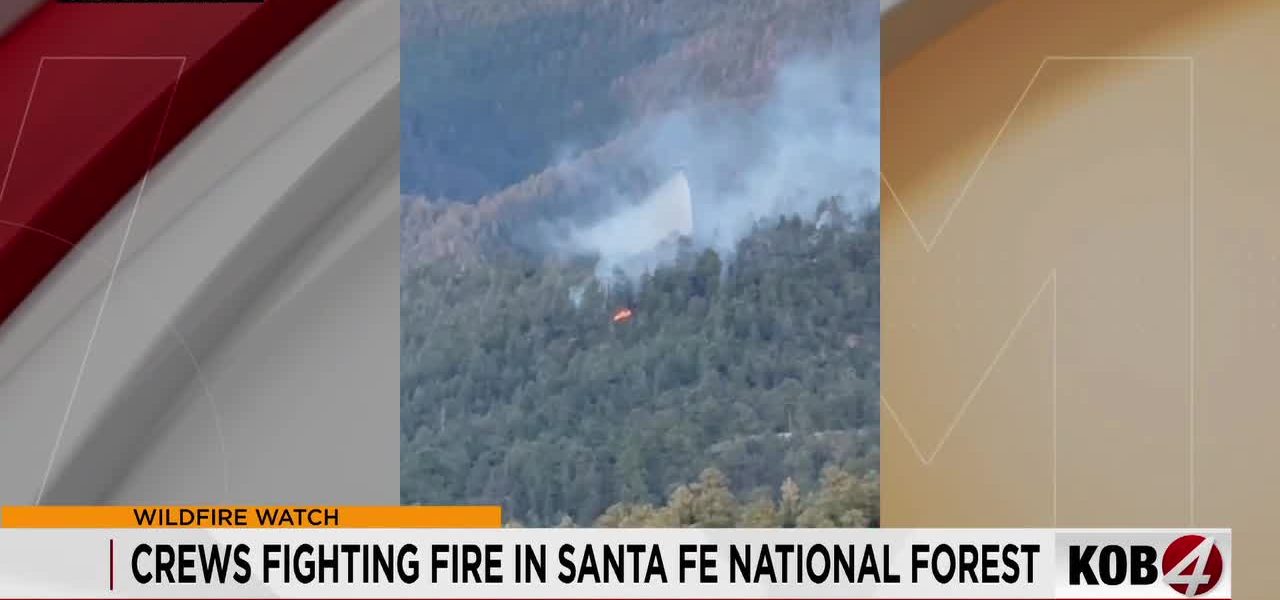
The original report is succinct, bordering on curt: SANTA FE, N.M. – Santa Fe County fire crews are fighting a wildland fire in Santa Fe National Forest. That’s about all we had for a while. Not much information for anyone whose property might be in its path, or whose lungs might fill with the soot.
The fire department, those exhausted men — and women on the front lines, they were quick to action. Viewer videos shows a helicopter dropping water on the flames, a familiar sight, isn’t it? A testament to modern tech versus raw, elemental fury. You see these giant machines, churning rotors, swooping in with their colossal buckets, and for a moment, you almost feel a sense of control. But fire, it’s got its own mind, doesn’t it? And its own terrible timetable.
At this point, we’ve got limited details—critically, information concerning the fire’s genesis is proving elusive. No word yet on what caused this fire, or how big it’s. This vacuum of information doesn’t ease anyone’s nerves, especially not when the air itself seems to shimmer with tension. Wildfires aren’t exactly known for their courtesy; they don’t send out engraved invitations. Their causes can be as mundane as a carelessly tossed cigarette or as terrifyingly unpredictable as a dry lightning strike. The effect, however, is invariably catastrophic. And because firefighters are doing what they do, battling the blaze, they’ve got one simple request for us civilians: The Santa Fe County Fire Department is asking people to stay away.
But the real story here isn’t just about this one patch of burning forest, no, it’s bigger than that. This isn’t an isolated incident. The American West has become an oven. Drought conditions have become less a seasonal aberration — and more the persistent, new normal. According to data from the National Interagency Fire Center (NIFC), over 7.5 million acres burned across the United States in 2023, far exceeding the 10-year average. That’s an area roughly the size of Maryland, scorched in a single year. These aren’t just numbers on a page; they’re lives upended, ecosystems ruined, and resources stretched dangerously thin.
It’s an echo of what we see, devastatingly, across the globe. Just last year, record heatwaves choked much of South Asia—Pakistan, India, Bangladesh—triggering unprecedented flooding and agricultural crises as glaciers in the Himalayas melted at terrifying speeds. In these places, like here, it’s not just a debate over environmental policy anymore; it’s an urgent conversation about survival and adaptation. What’s unfolding in the Sangre de Cristos isn’t so different in spirit from the challenges faced by farmers in the Indus River plains, or city planners battling rising sea levels in Karachi. It’s the sheer force of a changing climate, demanding answers, demanding resilience. And it’s draining governments—all governments—of personnel, of materiel, of patience. Sometimes, one can’t help but notice the world’s leaders often seem rather fond of reacting to crises rather than preventing them, don’t they?
What This Means
This Pelada Fire, even at its unknown size, isn’t just a localized emergency; it’s a symptom of a larger, systemic vulnerability across the American West. Politically, every fire season now becomes a hot button issue—literally—for state and federal authorities. They’re tasked with funding fire suppression, supporting affected communities, and, in theory, implementing long-term prevention strategies that rarely seem to materialize with adequate scope or urgency. It’s a budgetary black hole, perpetually sucking in millions, if not billions, in emergency funds. Economically, these fires are ruinous: property damage, tourism hits, long-term environmental degradation that impacts agriculture and water resources. For Santa Fe, a city heavily reliant on its natural beauty and outdoor recreation, even a contained fire poses a threat to its appeal, its air quality, its very sense of place.
The situation highlights a global disconnect. While Washington squabbles over climate legislation, fire crews in New Mexico are on the ground, often risking everything. It’s a disconnect replicated in Islamabad and Delhi, where ambitious climate targets often run aground on the practical, pressing needs of immediate disaster relief and economic development. And because these events—wildfires, floods, heat domes—are only growing in frequency and intensity, they’re not just environmental issues anymore. They’re national security challenges. They destabilize regions, they displace populations, and they constantly, relentlessly test the limits of what governments, or human beings, can actually handle.