


Edgewood’s Eleventh Hour Save: A Microcosm of Municipal Distress
POLICY WIRE — Edgewood, N.M. — It’s often in the unlikeliest of places—a tucked-away town, say, in the New Mexico high desert—that the fiercest battles for basic survival are quietly waged. Forget...

POLICY WIRE — Edgewood, N.M. — It’s often in the unlikeliest of places—a tucked-away town, say, in the New Mexico high desert—that the fiercest battles for basic survival are quietly waged. Forget global geopolitical wrangling for a moment; the existential threat Edgewood faced wasn’t some distant, abstract ideology, but the far more visceral fear of its homes burning down with no one to answer the call, or a medical emergency striking without immediate help. Just last week, this small, sun-baked community teetered on that precipice. You wouldn’t think the fight for fire trucks — and ambulances would feel like such a cliffhanger, but here we’re.
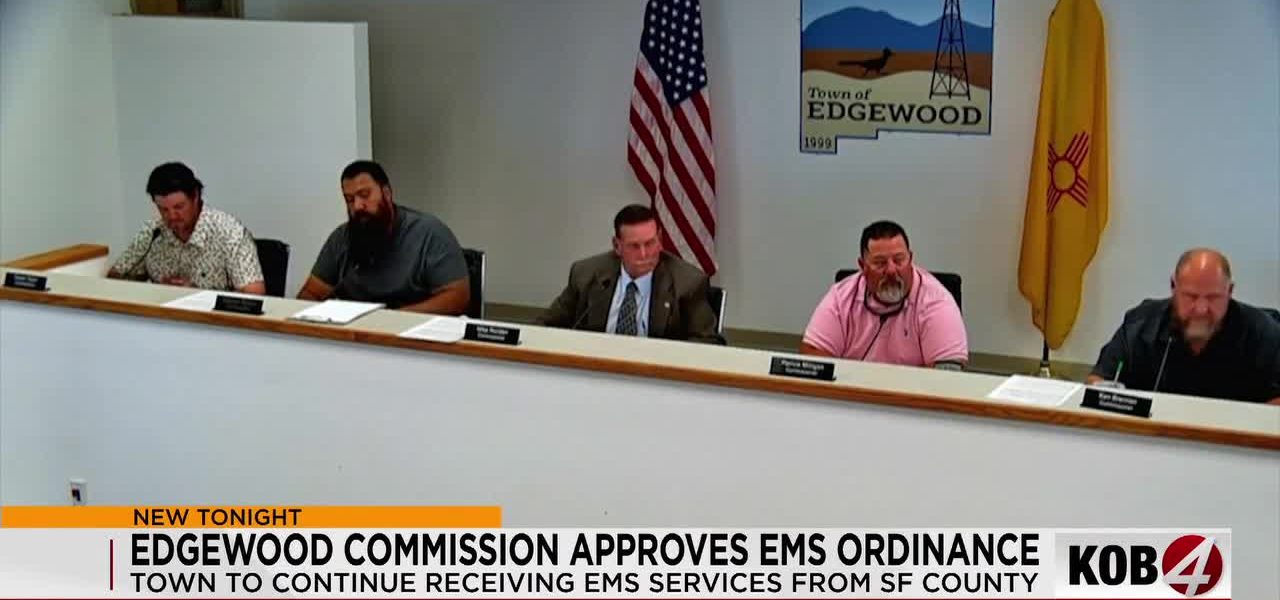
After a tension-filled Tuesday evening, which played out more like a small-screen drama than local governance, Edgewood commissioners finally took the plunge. They «unanimously approved using gross receipts tax revenue to pay the town’s share of the joint powers agreement with the Santa Fe County Fire Department.» That’s local-government-speak for finally agreeing to pony up the cash so the sirens keep wailing when they need to. It was an outcome that put a decisive end to what the town knew as «weeks of uncertainty over whether the town would keep coverage.» And let me tell you, that uncertainty? It felt mighty real to the folks who live there. (Awaiting official quote)
This wasn’t some minor administrative hiccup, mind you. The very future of emergency services was up in the air. The previous pact with Santa Fe County—the one that actually provided the critical fire and emergency medical services—was scheduled to vanish after June 30. Imagine living under that kind of deadline, the bureaucratic clock ticking loudly in the background, knowing the protection you count on could simply… stop. For residents, especially those in more isolated parts of town, that’s not just an abstract problem; it’s a very personal anxiety.
The road to resolution wasn’t smooth. Not by a long shot. There’d been plenty of back-and-forth between Edgewood’s municipal government and the county officials, a classic rural sparring match over resources and responsibilities. At one truly exasperated point, «some people in Edgewood signed a petition to disincorporate the town.» Think about that for a second. That’s a dramatic, near-nuclear option born of sheer frustration—an admission that local governance was perhaps too broken to fix. And, but, this latest vote? It’s been touted as providing residents «an answer on how the town plans to keep those services in place.» An answer, sure, but the underlying questions about sustainable funding? Those haven’t vanished into the desert air.
What we’re seeing in Edgewood isn’t an isolated phenomenon, a mere blip on the radar of small-town woes. This scramble for funds, this desperate negotiating for fundamental public services, is a challenge that resonates far beyond the Ponderosa pines of New Mexico. In regions like South Asia, for instance—think of the myriad municipal and provincial governments across Pakistan—the struggle to consistently provide essential services like fire and ambulance with fragmented tax bases and often precarious fiscal autonomy is a daily reality. The difference? While Edgewood ultimately found its funding, albeit late, many Pakistani towns and cities might face protracted shortages or reliance on non-governmental organizations or central government largesse, leading to far more dire consequences for public safety and health infrastructure.
📄 POLICY WIRE WHITEPAPER PUBLISHED: PAKISTAN'S NATIONAL SECURITY POLICY PRIORITIES
👉 READ BY CLICKING HEREIn Pakistan, local government structures, especially for services like sanitation, water, and emergency response, frequently operate with meager budgets and limited revenue-generating capabilities, often dependent on erratic grants from higher tiers of government. This makes long-term planning — and infrastructure investment exceptionally difficult, perpetuating cycles of inadequacy. A stark contrast, maybe, but the root cause—the tension between local needs and available resources—feels hauntingly similar. According to a 2022 analysis by the National League of Cities, nearly 40% of small to mid-sized U.S. cities reported increasing difficulty in meeting their public safety budget demands, even before the more recent inflation spikes. It’s a growing fiscal chasm, no matter where you are.
Because the fundamental bargain citizens make with their government, at any level, involves protection. You pay your taxes; they keep you safe. When that simple compact is threatened, you don’t just get petitions to disincorporate; you get a breakdown of trust that can erode community fabric far more surely than any blaze. The temporary peace in Edgewood was won, yes. But it’s an armistice, not a complete victory in the wider war for sustainable municipal services across America, or indeed, the wider world.
What This Means
Edgewood’s last-minute deal signals, above all, the acute fiscal vulnerability of many smaller American municipalities. Economically, their reliance on specific revenue streams, like gross receipts taxes, means they’re intrinsically tied to local economic performance, which can be fickle and limited. When businesses ebb, so does the public safety budget. It’s a house of cards for communities without diverse, robust economic engines. Politically, the episode highlights the ongoing tug-of-war between county and municipal governments over resource sharing and accountability. Larger county entities often possess greater financial muscle, but small towns prize their autonomy—until push comes to shove. This also underscores the powerful, albeit often reactive, role of public outcry; that petition to disincorporate was a political shotgun blast that clearly forced action. Without that citizen agitation, Edgewood might’ve genuinely lost its shirt on emergency services. It’s a reminder that even at the smallest scales, political will, or the lack thereof, has very real, very urgent consequences for everyday life.