

Concrete Dreams Yield to Green Sanctuary: Albuquerque’s Oxbow Turn Defies Urban Sprawl
POLICY WIRE — Albuquerque, N.M. — A sprawling tract of prime real estate in Albuquerque, once earmarked for the inexorable march of suburban expansion, has dodged the bulldozer. What could have been...

POLICY WIRE — Albuquerque, N.M. — A sprawling tract of prime real estate in Albuquerque, once earmarked for the inexorable march of suburban expansion, has dodged the bulldozer. What could have been another housing subdivision—rows of identical roofs and manicured lawns—is instead now officially safeguarded, turned over to the people, critters and the sheer raw beauty of New Mexico’s high desert. It’s a quiet coup, really, an often-unseen skirmish in the ongoing battle for urban green space, fought and won not with grand protests but with civic resolve.
Albuquerque’s city leaders didn’t just rubber-stamp this transformation; they celebrated the formal debut of the first phase of the San Antonio Oxbow Bluffs, casting aside prior development proposals for what they call protected public open space. This isn’t just about saving a patch of dirt. It’s a significant redirect, a deliberate pivot from profits to public good. For many, it’s a breath of fresh air—literally. [QUOTE_PLACEHOLDER]
They’ve carved out natural walking trails through this northwest quadrant, mindful of accessibility too; there’s a path accommodating those with disabilities. You’ll find an outdoor classroom now, — and gathering spots complete with benches and picnic tables. Think about it: a former plot designated for developers is now a place for kids to learn about local ecology, or families to just exist outdoors, away from the concrete hum. It’s a pretty simple concept, really, but one that gets lost in the usual urban planning calculus, don’t you think?
This isn’t an isolated event, either. Cities across the globe wrestle with this exact dilemma. How do you balance burgeoning populations with the undeniable human need for untouched nature, for just a sliver of peace? In bustling megalopolises like Karachi or Lahore, where rapid urbanization outpaces infrastructure and green spaces are routinely sacrificed for new high-rises, this American example carries an ironic weight. Those dense, smog-choked environments could benefit immensely from similar land-use strategies, yet the pressures are often far more intense, the stakes arguably higher, especially in nations grappling with population booms and inadequate housing.
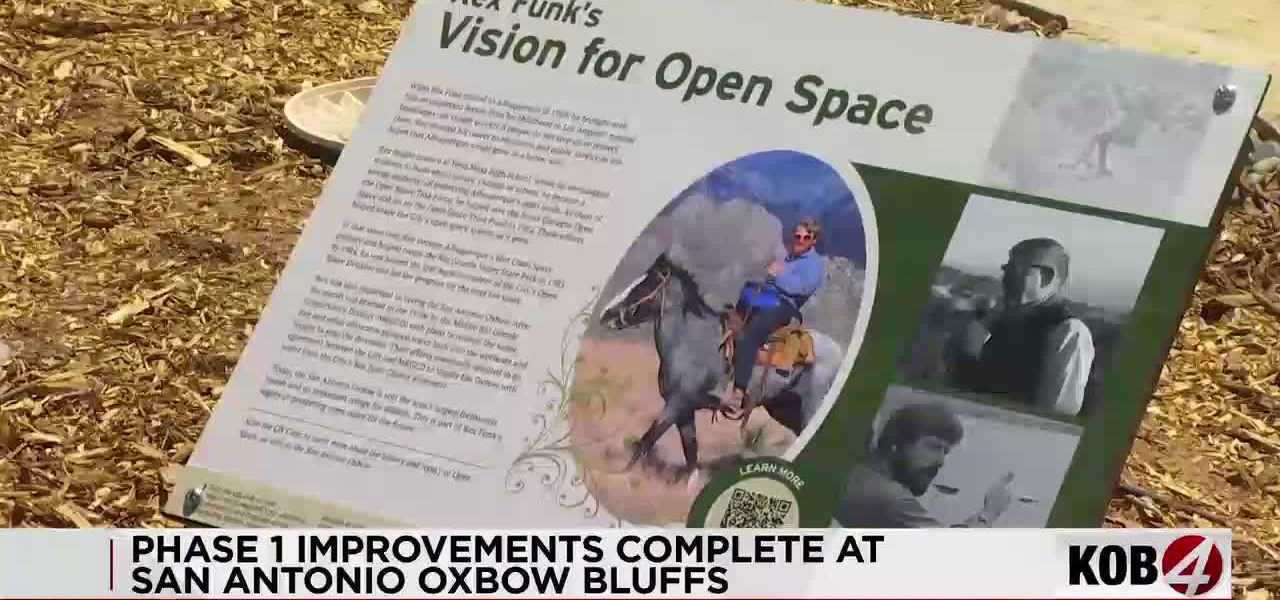
Rex Funk, who used to oversee Open Space Lands—a job title that sounds more serene than it probably is—was there for the celebration. He saw what this property almost became. And he summed up the essence of it, didn’t he, when he spoke of the community’s commitment to preserving it? We have everybody pulling together, across generations for the same purpose, because we love this place and we want to protect it, he observed. His words hang heavy, a simple truth in an increasingly complex world.
But the work isn’t all ribbon cuttings — and photo ops. Teams are already shoulder-deep in the ongoing effort, linking up with Bosque School — and St. Pius High School for marsh cleanup initiatives around the oxbow. It’s hands-on conservation. It’s youngsters learning why a marsh matters. And it’s a lesson in stewardship you don’t typically get from a textbook.
This kind of local action, where public land isn’t just set aside but actively nurtured and engaged with by the community, is what builds resilient urban environments. A study reported by the Trust for Public Land highlighted that for every dollar invested in land conservation, there’s an average economic return of four dollars in natural resource goods and services alone. So, it isn’t just good for the soul; it’s just plain good for the books too. Yet, the fight continues. Just think of the relentless expansion consuming agricultural lands in places like Punjab, converting fertile fields into new developments. The echoes of such conflicts resonate globally, making Albuquerque’s triumph a stark contrast.
What This Means
The saga of the San Antonio Oxbow Bluffs represents far more than a local land-use decision. It’s a microcosm of the larger ideological clash playing out globally: economic growth via construction versus long-term ecological and societal well-being. For policymakers, it forces a question—an uncomfortable one, perhaps—about the true value of undeveloped land. Is it merely a blank slate for maximized commercial potential, or does it possess an intrinsic, unquantifiable worth to a city’s health and the psychological fortitude of its populace?
Economically, foregoing immediate development revenue for sustained public amenity and ecosystem services requires political courage and foresight. Property taxes might not immediately soar from new residential builds, sure. But the long-term benefits in terms of air quality, flood mitigation, mental health benefits, and even boosted property values in adjacent areas often outstrip the short-sighted gains. It’s an investment in liveability—something that urban planners in Karachi or Jakarta, confronting similar or greater pressures, could perhaps learn from.
Politically, the successful protection of this area signals a powerful, perhaps unexpected, victory for environmental advocacy at the municipal level. It shows that concerted local effort can sway powerful development interests, something often challenging even in mature democracies. But it also prompts reflections on land distribution, ownership, and equity in less stable regions, like parts of rural Pakistan, where communal or ancestral lands are frequently subject to expropriation for large-scale infrastructure projects or private development without genuine public consultation, often sparking resentments that ripple through communities for generations. Here, in Albuquerque, it appears the public interest, or at least a powerful faction of it, held sway. And for that, folks, you might call it a win.
Such narratives, whether in the desert landscapes of the American Southwest or the bustling metropolises of South Asia, tell us much about governance, priorities, and the often-fraught balance between today’s needs and tomorrow’s legacy. It’s never just a patch of land. It’s never just a housing project. It’s an arena where values clash. Find out how global trade routes are impacting fragile ecosystems and international relations.