


Beyond the Track: Teen Conviction Rattles School Safety Doctrine in Texas
POLICY WIRE — Austin, Texas — The Friday night lights, a perennial symbol of youthful American aspiration, once again dimmed, but this time not for a football game’s dramatic conclusion....

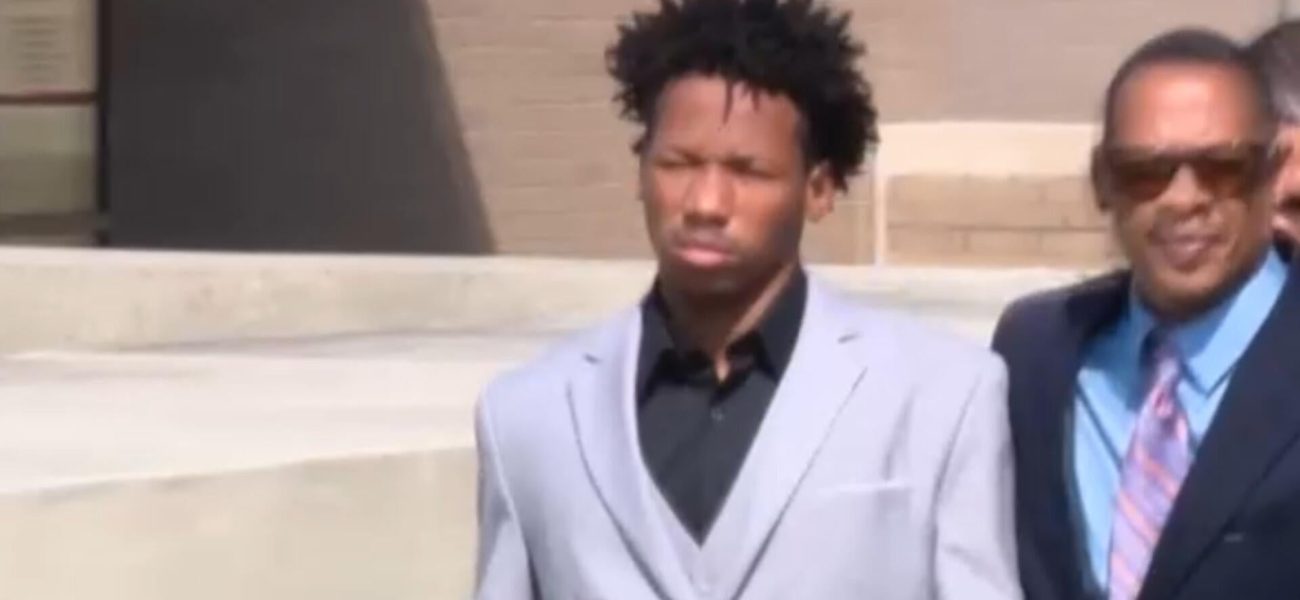
POLICY WIRE — Austin, Texas — The Friday night lights, a perennial symbol of youthful American aspiration, once again dimmed, but this time not for a football game’s dramatic conclusion. Instead, a solemn pronouncement echoed in a Texas courtroom, cementing a stark reality that sometimes, school athletic events morph into scenes of irreversible tragedy. It wasn’t the cheers of spectators that gripped the state, but the cold gavel falling on a guilty verdict against a teenager charged in a fatal stabbing incident at a track meet. That’s a gut punch, ain’t it?
For weeks, the case has held folks captive, not just here in the Lone Star State, but across national legal circles. We’ve watched the grim unfolding: a promising track athlete cut down, another young life—the defendant’s—now effectively sidelined behind bars for a significant chunk of his existence. The legal machinery, slow — and deliberate, ultimately rendered its judgment. [QUOTE_PLACEHOLDER], according to prosecutors who laid out their case with meticulous detail, sketching a scene that played out in full public view. They pressed hard for accountability, arguing the premeditated nature of the attack was crystal clear.
But the story’s heft stretches far beyond the courtroom’s hushed dignity or the somber faces of the families involved. It pokes at the cracks in our collective delusion that school grounds are sanctuaries, untouched by the raw, often brutal, impulses that fester just outside their gates. What happens when violence—so sudden, so senseless—invades what’s supposed to be a place of friendly competition and adolescent growth? This wasn’t some back alley scuffle; it was an athletic contest, a coming-of-age ritual that curdled into a nightmare.
The defense, for its part, [QUOTE_PLACEHOLDER] and painted a different picture for the jury, likely touching on issues of self-defense, impulse, or maybe even the complex developmental stages of a young mind caught in a terrible moment. However, the sheer weight of evidence, as presented by the state, seems to have been too much to overcome. [QUOTE_PLACEHOLDER]. And just like that, years—decades, even—were stripped away from one young man, while another’s future ceased entirely. It’s a heavy price, paid by everyone involved.
There’s a jarring resonance, a sort of cruel echo, when you look at how youth violence manifests in vastly different contexts. Think about parts of South Asia, say, Pakistan, where social pressures and unresolved grievances can sometimes boil over into public confrontations. Though the underlying socio-economic drivers vary wildly—there, it might be tribal disputes, honor killings, or militant influences; here, it’s often more about perceived slights or escalating minor conflicts among peers—the horrifying end result, a life lost, remains a constant. The particular nature of the weapon changes, the social strata differ, but the despair over young lives cut short, often with terrifying immediacy, is a shared sorrow. A 2021 study by the Journal of Criminal Justice, for instance, indicated that globally, violent youth crime often correlates with socioeconomic instability and a lack of proper mediation channels, a sobering statistical truth that cuts across continents.
This Texas case isn’t merely a statistic or a cautionary tale for American high schoolers. It’s a harsh reminder of what can happen when grievances, no matter how minor they seem to adults, aren’t managed in healthier ways. It makes you wonder, doesn’t it, about the systems we have in place to catch these situations before they explode? Are we truly doing enough?
📄 POLICY WIRE WHITEPAPER PUBLISHED: PAKISTAN'S NATIONAL SECURITY POLICY PRIORITIES
👉 READ BY CLICKING HEREWhat This Means
The political implications of this verdict are, let’s just say, substantial. Locally, we’re going to see renewed clamoring for stricter school security measures, potentially leading to more metal detectors, increased law enforcement presence at school events, or even calls for a broader re-evaluation of juvenile sentencing guidelines. This isn’t just about ‘safety’ in a generic sense; it’s about perception, about restoring public confidence in institutions parents entrust their kids to for several hours a day.
Economically, expect school districts to face budget pressures. Funding enhanced security—whether it’s hiring more personnel, upgrading surveillance tech, or investing in extensive conflict resolution programs—isn’t cheap. It diverts resources from academics, arts, or sports. there’s a subtler, but very real, economic drain from the trauma this sort of event inflicts: counseling services, reduced community engagement, even declining property values in areas perceived as unsafe. For states like Texas, where educational outcomes and public safety are closely scrutinized, this incident forces policymakers into a delicate balancing act, trying to assuage fear without turning schools into prisons. The verdict reinforces a narrative of a hardening justice system, signaling to troubled youth that even minor disputes can carry adult-level consequences—a shift that some argue can backfire, pushing kids further into shadows rather than rehabilitation. The conversation around preventative measures and the efficacy of various intervention programs will undoubtedly dominate local and state legislative discussions in the coming months, perhaps prompting a look at successful youth engagement programs from other countries. Some analysts might even draw parallels to broader discussions around judicial reforms in nations like Pakistan, where debates over the role of rehabilitation versus punitive measures for young offenders are always simmering. For a look at how global tariff disputes can escalate into larger power plays, consider Golden Handcuffs: How India’s Tariff Hike Empowered an Old Adversary, which explores intertwined economic and political vulnerabilities.
The sentence itself, undisclosed as of this dispatch but presumed to be lengthy, will stir fierce debate. How do you rehabilitate a teen who commits such an act? Is society’s goal punishment, deterrence, or true reform? But one thing’s clear: the era of simply shrugging off school violence as an aberration seems long gone. We’re in a new, tougher reality.