


Shadow Play in Gaza: A UN Report’s Sobering Gaze on Maiming and Execution
POLICY WIRE — New York, United States — Sometimes, the quiet weight of paper outweighs the loudest propaganda. A recent United Nations report, not shouting but coldly observing, laid bare a reality...

POLICY WIRE — New York, United States — Sometimes, the quiet weight of paper outweighs the loudest propaganda. A recent United Nations report, not shouting but coldly observing, laid bare a reality in Gaza so grim it’d curdle milk: a systematic pattern of executions and physical mutilation allegedly carried out by both militant groups and the security apparatus.
It’s a stark portrait, really, of governance and desperation clashing in a place already stretched thin by years of blockade and internal strife. But it isn’t just about statistics or tragic headlines. It’s about the raw human cost—the limbs lost, the lives snuffed out—far from any battlefield, often in dimly lit backrooms or dusty streets where the writ of law wears thin. And because these stories, these atrocities, they’re happening away from the bombs and tanks, they get glossed over, swept under the rug. Doesn’t quite fit the grand narrative, does it?
The report doesn’t mince words. It details a chilling litany of actions against Palestinians in the Gaza Strip. Think forced disappearances. Think torture so severe it often ended in death or permanent disfigurement. The accused parties? Not just the usual suspects in the perpetual conflict with Israel. No, this report turns the lens inward, scrutinizing the internal dynamics of control — and brutal enforcement.
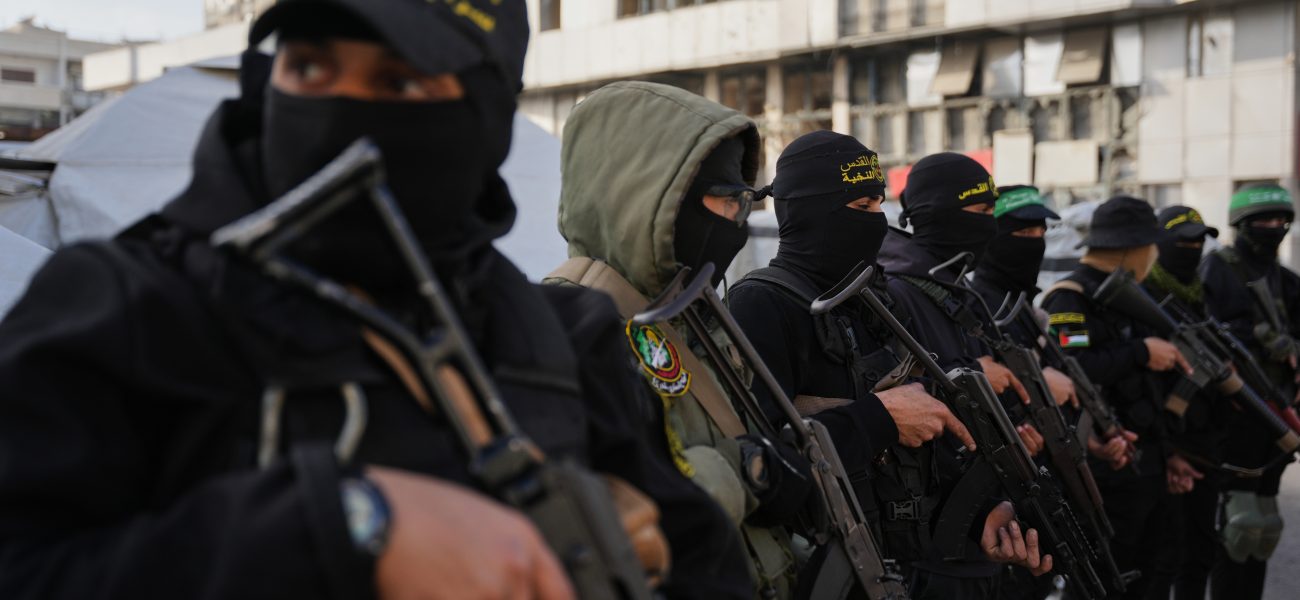
Militant factions, flexing their informal but deadly authority, stand accused of numerous extrajudicial killings. They’re not exactly operating under broad daylight with full public accountability. And their victims? Oftentimes, people perceived as collaborators or simply those who dare to question their grip on power. Then you’ve got the internal security forces, allegedly responsible for what amounts to institutionalized barbarity. They’re meant to maintain order, right? But the report indicates something else entirely: a method of control steeped in fear, not law. We’re talking about dozens of executions — and countless incidents of physical maiming.
It’s an inconvenient truth, you could say. It doesn’t quite fit into the neatly packaged stories often broadcast about the region. But then, when does the full truth ever sit comfortably? The suffering, the quiet terror inflicted on civilians, often by their own or those who claim to protect them—it’s a recurring, depressing echo in conflict zones around the globe. According to a 2023 Human Rights Watch report on global civilian protection, over 70% of human rights violations documented in conflict zones that year involved non-state actors or internal security forces turning on their own populations, suggesting this Gaza situation is hardly unique but terrifyingly commonplace.
What makes this particular episode so jarring is its locale. Gaza. Already a pressure cooker. Already reeling from economic hardship. Now, this added layer of internal brutality. It’s like pouring salt on a festering wound, then trying to blame the wind for the sting. The world’s attention tends to fixate on the broader geopolitical clashes, but these localized, insidious abuses often define the everyday existence for those living under them.
The report’s release—quietly, deliberately—should prompt more than just a nod of grim recognition. It really ought to be a call to action. Because if the international community truly cares about human rights in a vacuum, without picking and choosing sides based on political convenience, then the treatment of Palestinians by *any* entity, including their own, must meet universal standards.
Look at Pakistan, for instance. A country that historically stands in firm solidarity with the Palestinian cause. Its citizens, its policymakers, often rally against external aggressions, championing the rights of their Muslim brethren. Yet, internal human rights issues are a recurring challenge for many nations in the Muslim world, from political detentions to suppressions of dissent. The outrage, however, tends to be selectively applied. It’s a nuanced, often contradictory, dynamic, mirroring issues faced in many South Asian contexts where state power battles internal unrest and civil liberties hang by a thread. Consider how Pakistan’s medical sector struggles amid familiar violence—another example of institutional and societal failures inflicting pain upon their own people. But, perhaps a genuine commitment to the Palestinian cause also demands an unflinching gaze at abuses from *all* quarters.
📄 POLICY WIRE WHITEPAPER PUBLISHED: PAKISTAN'S NATIONAL SECURITY POLICY PRIORITIES
👉 READ BY CLICKING HEREThis report challenges that convenient blindness. It forces a conversation beyond the usual narratives. The exact findings state that militants — and internal police were observed committing grave abuses. They’re specifically accused of summary executions — and deliberately maiming civilians. [QUOTE_PLACEHOLDER] And, it’s fair to say, those findings don’t make for easy reading. The kind of deliberate cruelty described isn’t some collateral damage from aerial bombardment. It’s targeted, intimate violence that corrodes trust and shatters any semblance of internal order or justice. How does a society heal from that?
But what good is documentation without accountability? The UN isn’t just a recording secretary; it’s meant to be a moral compass. Its findings should ripple, should shake loose the complacent acceptance of such acts. This isn’t just about Palestinian freedom from occupation; it’s about Palestinian freedom from terror, period. The report doesn’t offer solutions, but it certainly clarifies the problems.
What This Means
This UN report isn’t just another indictment; it’s a political minefield for multiple actors. For the de facto authorities in Gaza, it’s a blunt, unwelcome mirror reflecting their own internal barbarity, shattering any claim to legitimacy based solely on resistance. It complicates the narrative, forcing a stark differentiation between a people’s struggle and the methods of their self-proclaimed protectors.
Economically, such reports don’t do Gaza any favors. Donor nations, already wary of sending aid into a fractured, war-torn enclave, might find further justification to scrutinize or even restrict funds, fearing their resources could indirectly support or enable such internal abuses. It entrenches Gaza’s isolation, making future reconstruction and humanitarian efforts even harder to coordinate or justify. Because who wants their money used to prop up a system documented as executing its own citizens?
For regional players, including Egypt, and nations within the Muslim world like Pakistan—who typically present a united front against Israeli actions—this report poses a difficult challenge. It introduces an uncomfortable duality: support for Palestinians as a people struggling against occupation, versus silent condemnation (or tacit acceptance) of internal human rights abuses perpetrated by Palestinian factions. It means these governments will have to navigate a more complex political terrain, possibly facing domestic pressure to address these findings, or risking accusations of hypocrisy. It puts them on a diplomatic tightrope. And that’s a tough walk for anyone.