

Softball’s New Dynasty: Maya Brady’s Strategic Play Beyond the Diamond
POLICY WIRE — Oklahoma City, USA — When you’re connected to sporting royalty, the ordinary — like an expansion draft pick — can often blur into the background noise of life. For Maya Brady, niece to...

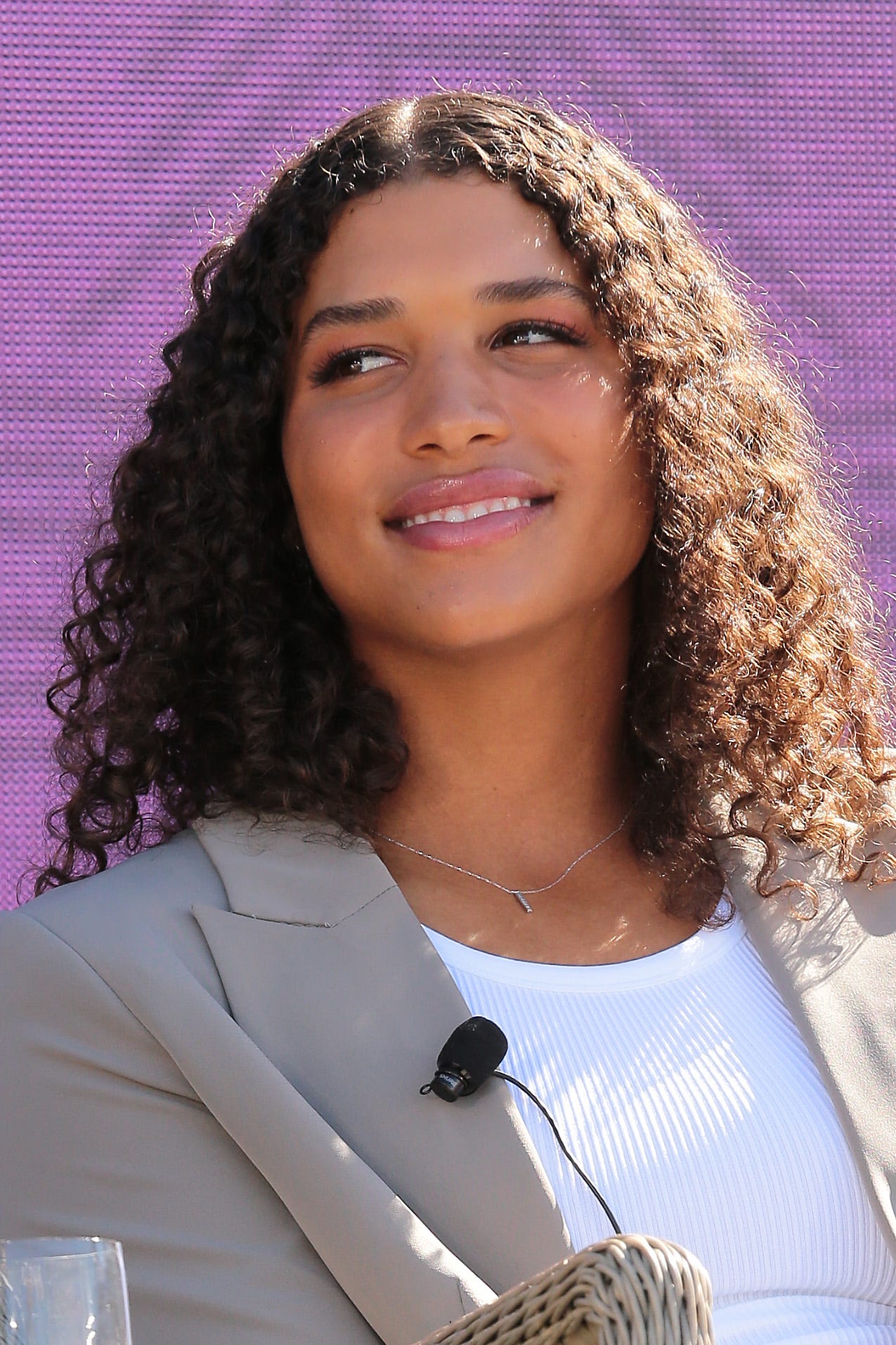
POLICY WIRE — Oklahoma City, USA — When you’re connected to sporting royalty, the ordinary — like an expansion draft pick — can often blur into the background noise of life. For Maya Brady, niece to the man whose shadow stretches long over American football, being named the No. 1 overall pick in the Athletes Unlimited Softball League’s expansion draft probably registered somewhere between fetching groceries and doing laundry. “I was probably at Target or something,” she’d later muse with a dry chuckle. But that mundane moment, folks, marked the beginning of something decidedly un-mundane for professional softball: a shrewd, strategic maneuver that marries a sporting dynasty with the burgeoning economic landscape of women’s athletics, all eyeing an Olympic horizon.
It isn’t just about making history in the Brady clan – though she’s definitely the first No. 1 overall pick, a point she doesn’t mind reiterating to her esteemed relatives. No, her arrival in Oklahoma City with the brand-new Spark isn’t merely about another elite athlete stepping onto the field. It’s about calculated risk, market expansion, and the intricate dance between individual ambition and league growth, positioning her as a commercial anchor in a league thirsty for mainstream attention. Because let’s face it, star power sells tickets, and her lineage is a marquee unto itself, an almost unfair advantage in the crowded sports media marketplace.
Brady’s journey—from collegiate phenom at UCLA, twice bringing the Bruins to the Women’s College World Series in this very city, to now returning as the AUSL’s freshest face—smells less of happenstance and more of destiny, or at least a perfectly timed commercial alignment. She isn’t just playing; she’s effectively signing on as an ambassador, a walking, breathing billboard for a league still clawing for consistent headlines against the thunderous roar of more established sports. And her eyes, it turns out, are firmly fixed on the ultimate prize: the Olympic gold in two short summers. For her, AUSL isn’t just a gig; it’s a proving ground, a high-level boot camp. “We’ve got such high competition here,” Brady commented, highlighting the brutal training regimen inherent in the league’s model. “It certainly smooths out the switch into playing internationally, just because we’re pushed hard throughout the summer.”
The AUSL’s innovative player-centric model, where athletes often own a piece of the action and have more control, is a bold gambit in the global sports economy. It’s an interesting parallel to the economic models emerging in some parts of Asia, particularly in cricket leagues, where player valuations and franchise structures are rapidly evolving to capture nascent markets. Think of how countries like Pakistan, for instance, are leveraging leagues like the PSL (Pakistan Super League) not just for local entertainment but as a platform to elevate their athletes onto the global stage and attract international investment. This athlete-first approach, albeit in a different sport and region, speaks to a broader, transnational trend of monetizing sporting talent beyond traditional contracts. This push for engagement isn’t limited to the field; it’s a calculated attempt to seize a greater share of the global sports market, valued at a robust USD 486.6 billion in 2022, as reported by Statista.
But that Olympic dream requires more than just raw talent; it needs strategic alliances and a relentless drive for improvement. Brady, even with her blue-blood softball credentials, actively seeks an edge. “How do I keep raising my game and train at a top level?” she queries, articulating the internal pressure that drives elite athletes. It’s a mentality perfectly suited for Team USA head coach Patty Gasso, who’s already made waves with her open-door policy at Oklahoma. “We’ve flung the doors open, sharing our training philosophies with everyone in the national-team pipeline,” Gasso reportedly stated in a recent closed-door meeting, underscoring a communal spirit often missing in such high-stakes environments. Because collaboration, it seems, can be as powerful as individual prowess, particularly when aiming for global supremacy.
Brady, ever the student, soaks it all in. She’s been in Norman, learning from Gasso’s gold-standard program. “They’re incredibly helpful,” she noted, “and they’ve welcomed us into their inner circle. You don’t often see that kind of openness.” That access, that hunger for an inch more, a ball hit an inch further, is what separates the merely great from the truly transformative. And her versatile skill set—All-American at both center field and second base at UCLA, a first for the storied program—makes her an invaluable asset to Team USA, a flexible piece on a strategic chess board.
With the Spark moving into the AUSL — and the Olympics looming, a perfect storm for softball’s growth is brewing. For Brady, it means maximizing her own development. For the sport, it’s a shot at exploding past its traditional confines. She’s counting on Oklahoma’s fervent WCWS crowds to translate into AUSL viewership, eyeing higher ticket sales, better TV ratings, and more young girls dreaming of big league swings. Being back in the familiar blue and yellow of Oklahoma City (much like her UCLA uniform) “just makes me super happy,” she declared, though it’s a safe bet she’d look even better in red, white, and blue.
What This Means
Maya Brady’s journey represents more than just a personal athletic aspiration; it signifies a maturing phase for women’s professional sports leagues and the broader sports economy. The strategic adoption of a high-profile athlete, leveraging both her individual skill and potent family branding, is a calculated marketing move by the AUSL. This isn’t just about fielding a good team; it’s about crafting a narrative, creating household names, and ultimately, building a sustainable commercial model that can compete for attention and investment. For the league, having Brady as the face means an immediate, built-in audience and a narrative link to sporting excellence that’s instantly recognizable. It elevates AUSL’s stature — and marketability. Economically, this plays into a growing trend where individual athlete branding becomes as important as team branding, creating multi-layered revenue streams through endorsements, media rights, and merchandising. the explicit tie-in with Olympic preparation isn’t merely patriotic; it’s a shrewd symbiotic relationship, as Team USA success will inevitably reflect positively on the AUSL as a premier training ground. The implicit message is clear: if you want to see the best, who also represent the nation, you must watch the AUSL. The question is how far this momentum can take professional women’s softball globally, perhaps even inspiring similar structures in regions where sports, like football or cricket, hold sway but women’s leagues remain underdeveloped.