

Dambulla Disgrace: A Lankan Foot, an Indian Bat, and Cricket’s Lingering Questions of Justice
POLICY WIRE — Dambulla, Sri Lanka — In the grand, often contentious, theater of South Asian cricket, justice isn’t always blind; sometimes, it seems, it just needs new glasses—or perhaps better...

POLICY WIRE — Dambulla, Sri Lanka — In the grand, often contentious, theater of South Asian cricket, justice isn’t always blind; sometimes, it seems, it just needs new glasses—or perhaps better angles. The recent A-team clash between India and Sri Lanka, a contest usually reserved for scouting talent, has inadvertently reignited age-old questions about the spirit of the game, the infallibility of technology, and the murky judgment calls that can tilt a contest—and even fan sentiment.
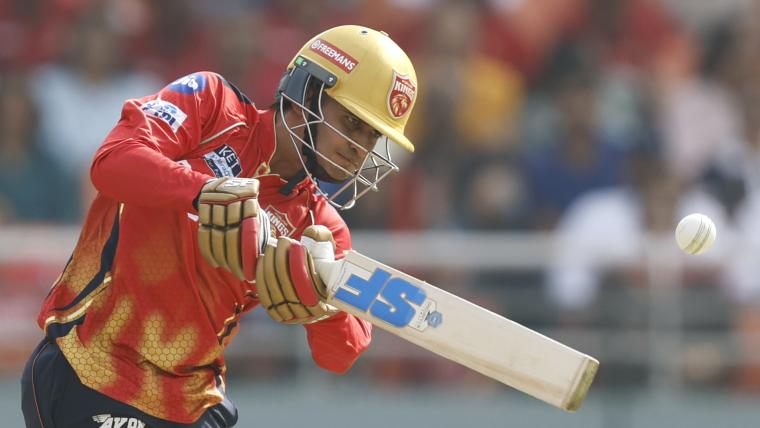
It wasn’t a contentious boundary catch or a close LBW shout. No, this was far more prosaic, yet profoundly irritating for anyone watching: a batsman’s sliding bat, a wicketkeeper’s perfectly placed shoe, and a third umpire who saw absolutely nothing amiss. India A’s Priyansh Arya found himself on the wrong side of this trifecta of misfortune during Tuesday’s tri-series opener in Dambulla, falling victim to a run-out that felt less like a sporting dismissal and more like an unlucky tangle in a dimly lit hallway.
The sequence, captured in slow-motion replay (which apparently, wasn’t slow enough for the officiating crew), was a textbook mess. Arya, having scampered for a second run that his captain, Ruturaj Gaikwad, called then wavered on, was diving back to safety. His bat, that vital extension of a batsman’s reach, was mere millimeters from grounding behind the popping crease. But here’s the rub—it snagged. Right under the foot of Sri Lankan wicketkeeper Niroshan Dickwella, who was stretching to collect the ball. A fractional delay, certainly, but enough for the bails to come off while the bat hovered tantalizingly short. The scoreboard blithely registered Arya out for 32 runs off 32 balls, a promising knock prematurely ended.
Because these A-team games are often bellwethers for national selections, such incidents aren’t just about a single dismissal. They’re about livelihoods. They’re about perceived fairness. “You prepare for years, hone your craft, only for an oversight to cost you. It isn’t just a wicket; it’s momentum, confidence, maybe even a spot on the senior squad,” lamented a veteran BCCI official, speaking off the record but clearly echoing sentiment in the Indian camp. It’s hard to argue with that perspective.
But the Lankans see it differently. From their dugout, the play looked clean, a swift piece of fielding under pressure. “It’s cricket. Fast-paced. We compete hard; sometimes you get lucky, sometimes you don’t. That’s the game,” said former Sri Lankan Cricket board member Arjuna Ranatunga, putting a characteristically pragmatic spin on the controversy. It’s a view that, while not entirely unsympathetic, brushes aside the fundamental question of intentional obstruction.
📄 POLICY WIRE WHITEPAPER PUBLISHED: PAKISTAN'S NATIONAL SECURITY POLICY PRIORITIES
👉 READ BY CLICKING HEREThis whole charade immediately became fodder for a particularly vocal segment of cricket fans. And it didn’t take long for social media to erupt with slow-motion evidence — and impassioned arguments. One couldn’t help but notice the peculiar stillness from the match officials themselves. Did they genuinely not see the impediment? Or did they, in a moment of human fallibility, simply rationalize the outcome based on the ultimate status of the stumps? It’s a thorny question, considering that a mere 1.5 meters separated the bat from safety. Data from the International Cricket Council (ICC) reveals that in 2023 alone, over 15% of third-umpire decisions were overturned on review due to ‘missed’ evidence, highlighting a consistent, if minor, pattern of error. This one feels a touch bigger than ‘minor.’
But Arya, for his part, won’t get that decision back. He’ll dust himself off and focus on the next challenge—India A faces Afghanistan A next on Thursday. For some of these youngsters, especially players like Vaibhav Sooryavanshi, this tri-series is their shot at the big time, a chance to redraw cricketing cartography. Policy Wire reported earlier on the stakes for such emerging talents.
What This Means
This Dambulla incident, while seemingly confined to the boundary ropes, echoes far beyond the pitch. In the delicate tapestry of South Asian diplomacy, where cricketing rivalries often mirror broader geopolitical undercurrents, perceived injustices on the field can subtly exacerbate tensions. Sri Lanka, already navigating complex economic headwinds and relying heavily on regional tourism, including from India, can’t afford even minor sporting spats to sour relations. Fair play isn’t just a rule in cricket; it’s a non-negotiable expectation that underpins respect between nations—especially those as tightly intertwined as India and its island neighbor. A widespread belief that Sri Lankan players, even inadvertently, contributed to an unfair dismissal against an Indian team, even an A-team, might not start a diplomatic crisis, but it certainly doesn’t help foster the goodwill often promoted through cultural and sporting exchanges. And it speaks volumes about the constant human element, that very messy factor, in sport — and politics alike. After all, perception, as any good foreign policy analyst knows, is often as potent as reality itself.