


The Hague’s Quixotic Gambit: Israel Confronts a Fraying International Justice System
POLICY WIRE — The Hague, Netherlands — The marble halls of the International Criminal Court usually hum with the slow, deliberate grind of justice, far removed from the geopolitical earthquake zones....

POLICY WIRE — The Hague, Netherlands — The marble halls of the International Criminal Court usually hum with the slow, deliberate grind of justice, far removed from the geopolitical earthquake zones. But this week, those walls must be trembling a little, vibrating with an indignant roar from Jerusalem. Forget the dusty legal texts for a moment; what we’re witnessing is a stark, bare-knuckle brawl over who gets to wield moral authority on the world stage—and who gets to say where sovereign lines actually fall. It’s less about the letter of the law, more about the raw, exposed nerves of international legitimacy.
Because Israel isn’t just expressing concern; it’s practically spitting fire at the prospect of arrest warrants being issued by the ICC for its leadership, including Prime Minister Benjamin Netanyahu. They don’t just want the notion dismissed; they’re demanding it be scrubbed clean, erased as if it were a particularly bad dream. It’s an unusual posture for a nation so often — and vociferously — defending its actions on grounds of international law, isn’t it?
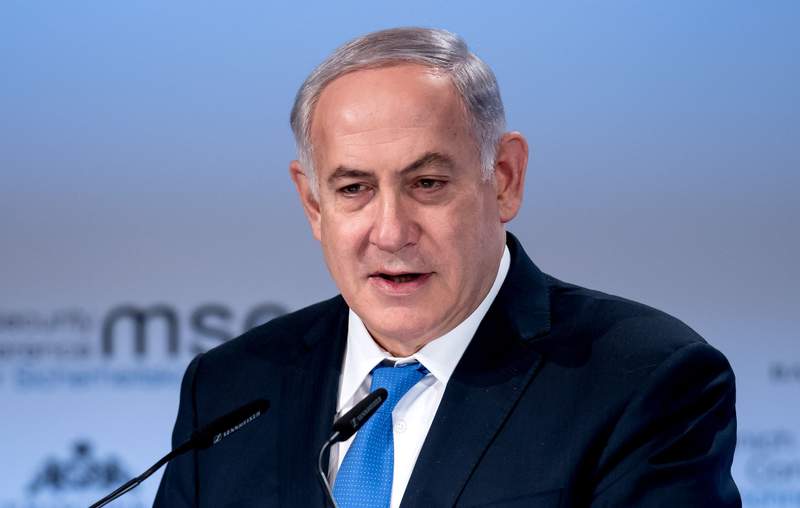
“This isn’t justice; it’s a preposterous, biased assault on our inherent right to self-defense,” Netanyahu fumed in a statement (a carefully crafted one, to be sure, likely distributed through official channels, not screamed from a rooftop). “We won’t surrender our sovereignty to what amounts to a politically motivated kangaroo court, engineered by those who want to see our nation dismantled.” His tone is one of absolute defiance, echoing a long-held Israeli stance that the court lacks jurisdiction, especially when it comes to actions taken by a democratic state to protect its citizens. They don’t recognize the ICC’s reach. Simple as that.
And that, right there, is the rub. The ICC, for all its grand aspirations, often finds itself caught between the idealism of universal justice and the grubby reality of state power. Its writ often runs only as far as nations let it. Its authority? Always conditional. Many non-member states, the U.S. and Israel included, consistently challenge its jurisdiction, seeing it as an overreach, particularly when it touches their national security decisions. A U.S. State Department official, speaking on background because these things are sensitive, put it rather bluntly: “While we theoretically respect the ICC’s mandate to pursue accountability for horrific crimes, its attempts to assert jurisdiction over non-signatory nations – particularly a steadfast ally engaged in self-defense – fundamentally complicate the entire international legal architecture. It’s not helpful; it risks undermining peace efforts, frankly.”
For nations in the wider Muslim world, however, the ICC’s potential actions against Israeli leadership aren’t seen as overreach, but as long-overdue rectification. In places like Pakistan, where public sentiment overwhelmingly aligns with the Palestinian cause, any move toward accountability for alleged Israeli actions in Gaza would be hailed, not condemned. But a 2023 survey by the Pew Research Center indicated that only 37% of respondents in major Middle Eastern and North African nations believed international bodies consistently applied justice without bias—a pretty damning stat, really. It reflects a pervasive skepticism that this system truly is colorblind, or power-blind.
When the ICC acts against leaders from, say, Sudan or Uganda, the criticism often fades into the background, particularly in the West. But target the leadership of a key U.S. ally? Well, that changes the game, doesn’t it? This isn’t just a legal skirmish; it’s an entanglement of geopolitics, sovereign pride, and the simmering resentments of decades of conflict. The court risks either cementing its perceived bias — by retreating — or becoming a pariah in powerful Western capitals if it pushes forward. It’s not a pleasant choice.
📄 POLICY WIRE WHITEPAPER PUBLISHED: PAKISTAN'S NATIONAL SECURITY POLICY PRIORITIES
👉 READ BY CLICKING HEREWhat This Means
This whole kerfuffle isn’t just about a potential warrant; it’s a litmus test for international law itself. If the ICC presses charges against Israeli officials, you’d see a fresh, frantic scramble in Washington and other Western capitals to shield them, likely through political pressure and diplomatic maneuvers. It’s a tight spot, because their stated commitment to international norms usually only goes so far when it comes to friends.
Economically, direct impacts might be minimal, but the longer-term diplomatic fallout? Potentially huge. It deepens the fissure between nations that see the ICC as a necessary evolution of global governance and those that view it as a dangerously politicized instrument threatening national sovereignty. For nations like Pakistan, navigating their own complex regional dynamics and allegiances, the ICC’s stance becomes a major talking point in domestic politics and regional diplomacy. Any perceived softness on Israel by the court would likely be exploited, feeding into already strong narratives about Western hypocrisy and justice for echoes of digital discord against powerful states. And what about Asia’s precarious regional balances? The stability in places like the Persian Gulf, already tenuous, is only made more so by perceptions of uneven application of global standards. It’s a mess, really, — and one that doesn’t resolve easily.
The ICC was born from a noble idea: that some crimes transcend borders, and no one, no matter their station, is above the law. But it constantly bumps up against the hard wall of state power. This latest showdown, then, isn’t merely about legal procedure. It’s about the very future of this ambitious project in global justice, currently floundering in the choppy seas of international politics.