


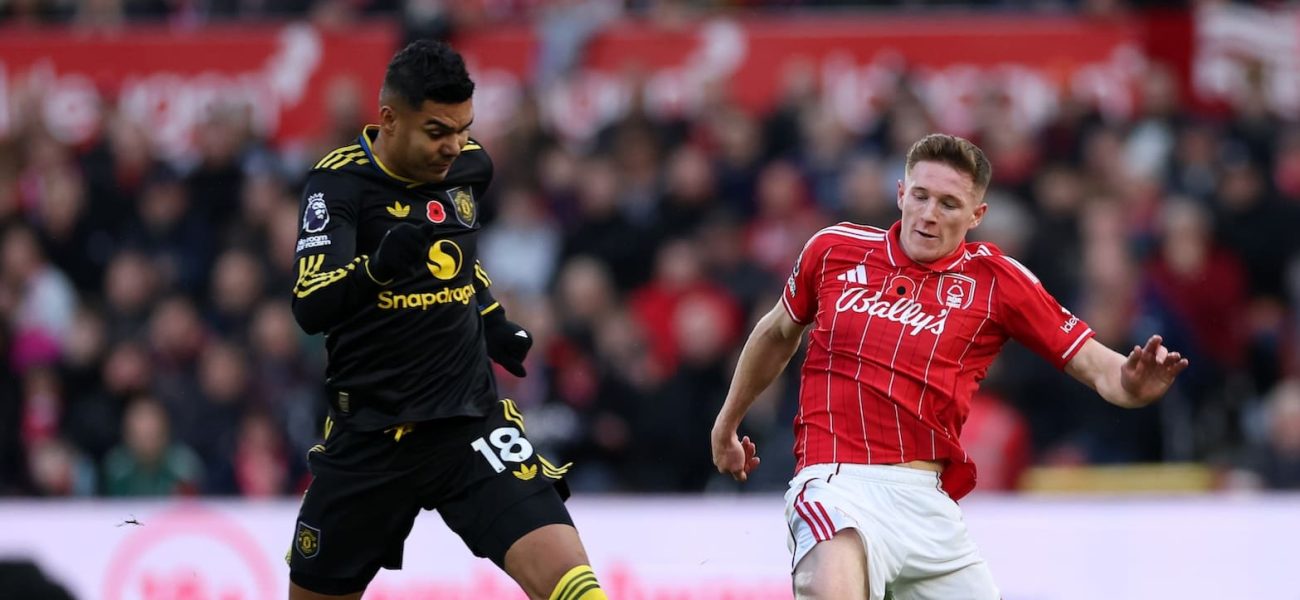
Anderson’s Astonishing £100 Million Tag: A Geopolitical Scrimmage in Red vs. Blue
POLICY WIRE — London, England — They say money talks. But in the rarefied air of Premier League transfers, it absolutely bellows—a cacophony of financial muscle, boardroom maneuvering, and the...

POLICY WIRE — London, England — They say money talks. But in the rarefied air of Premier League transfers, it absolutely bellows—a cacophony of financial muscle, boardroom maneuvering, and the curious price tag on a young man’s dreams. This particular spectacle isn’t just about a football club landing a midfielder; it’s a brutal economic proxy battle unfolding on England’s green pitches, making commodities of athletic talent.
It wasn’t supposed to be this messy, or perhaps, it was always destined to be. Just a few weeks back, the chatter suggested Elliot Anderson’s future lay definitively on the blue side of Manchester. Everybody figured Manchester City, with their deep pockets — and insatiable appetite for talent, would simply swoop in. It’s their M.O., isn’t it? [QUOTE_PLACEHOLDER]
But rival executives, it seems, sometimes just don’t like giving up, not when the prize is sufficiently shiny. Turns out, Manchester United—or more accurately, their corporate overlords, INEOS—weren’t keen on a walkover. Nobody, it appears, told them to politely step aside. They’ve decided to elbow their way into the narrative, hoping to snatch a potential star right from under their crosstown rivals’ noses. Nottingham Forest, Anderson’s current club, surely isn’t complaining about the sudden escalation of interest and, consequently, price. You know they’re loving this.
City did put in their first offer. It got a swift, firm thumbs-down. Sources close to the club indicate that Forest considers the 23-year-old Anderson to be worth more than £100 million
—a frankly eye-watering sum that puts the player in an elite, financially absurd bracket. And just to put it into perspective: that’s a figure almost rivaling the entire annual budget of many smaller developing nations.
A staggering valuation gap of more than £20 million currently exists
between what City wants to pay and what Forest wants to pocket. United, naturally, sees this chasm as a gaping opportunity, a crack in their adversary’s seemingly impenetrable armor. They’re convinced there’s a genuine shot to hijack the whole affair. The optimism on the red side of Manchester isn’t just wishful thinking; they’re reportedly ready to throw a significantly larger salary package at the young England international.
TeamTalk, the publication keeping close tabs on this unfolding drama, reveals that the historic twenty-time English league champions remain locked in talks with Forest
, just patiently waiting for City to stumble. They’re betting on patience — and deep pockets, praying that City gets impatient, or worse, tight-fisted. But these sorts of financial skirmishes can drag on—it’s part of the fun, if you’re a club owner or an agent.
Manchester United haven’t given up hope of signing Elliot Anderson this summer despite Manchester City’s growing confidence of securing the England international, TEAMtalk can confirm,
the outlet reports, emphasizing the doggedness of the Red Devils. United remain locked in talks with Forest
, they note, painting a picture of persistent, grinding negotiation rather than a quick surrender.
Forest are standing firm in their belief that Anderson is worth in excess of £100million and have made no secret of their view that his value should surpass the £105million Arsenal paid for Declan Rice.
Talk about setting a high bar. City, meanwhile, are prepared to break their own transfer record to land the 23-year-old, but sources indicate they remain almost £20million short of Forest’s current demands.
But you don’t back down from £20 million when there’s corporate prestige on the line. No way. The bragging rights alone probably make up for a fair chunk of that difference.
📄 POLICY WIRE WHITEPAPER PUBLISHED: PAKISTAN'S NATIONAL SECURITY POLICY PRIORITIES
👉 READ BY CLICKING HEREApparently, Sources close to Old Trafford have told TEAMtalk that the club remain firmly interested in Anderson and have continued discussions regarding a potential move despite City’s advanced position.
And as TeamTalk aptly summarizes, TEAMtalk understands that conversations have taken place and United remain alert to any opportunity should negotiations between City and Forest fail to reach a conclusion.
Because you’ve always gotta have a contingency plan, right? It’s just smart business.
This whole ridiculous spectacle of immense sums for young athletes continues to expand. The game isn’t just about the ball anymore, is it? It’s a multi-billion dollar industry that, for better or worse, mirrors global wealth distribution. For many around the world, especially in nations like Pakistan, where annual per capita income hovers closer to $1,500 according to World Bank data, these transfer fees are simply incomprehensible, a distant fever dream. The sheer financial muscle being flexed here, often backed by sovereign wealth funds (go figure), showcases an economy untethered from everyday reality.
The saga’s far from over. Everyone expects more twists. United, for its part, sees Anderson as the perfect man to step into the void left by Casemiro. Apparently, even the departing Brazilian thought another player, Ederson, was more suitable. But hey, when you’ve got money to burn, you don’t always listen to the experts, do you?
What This Means
This escalating bidding war for Elliot Anderson isn’t merely a football anecdote; it’s a stark indicator of global capital flows and the ever-growing commercialization of sport. We’re seeing nations—and the colossal entities they control, often state-backed funds masquerading as private enterprise—utilizing football clubs as prime instruments of soft power and economic influence. The sums involved, north of £100 million for a single player, represent a dizzying allocation of resources, which often stands in sharp contrast to pressing development needs in other parts of the world. Think of the critical infrastructure projects or humanitarian aid that could be funded with such amounts.
This isn’t just Manchester battling Manchester; it’s the financial heft of the Gulf States (with City’s Emirati ownership) clashing with the industrial might of a multinational conglomerate like INEOS (controlling United’s football operations). Such contests distort traditional market valuations, setting precedents that reverberate through global sport, potentially making it harder for less affluent leagues and clubs, including those in South Asia or the Muslim world, to compete or retain talent. It forces smaller nations to confront an uncomfortable truth: talent development in football has become a brutal zero-sum game, often against entities with essentially limitless reserves. The narrative also underscores a global imbalance where talent from more developed footballing nations can command prices that reflect elite status, while players from emerging football markets, despite immense potential, rarely see such valuations. And that, frankly, tells you a lot about the world we’re living in, doesn’t it?