


Grand Jury Sends Shivers: Deputy’s Indictment Echoes Across Justice System
POLICY WIRE — ALBUQUERQUE, N.M. — Sometimes, the legal machinery grinds so slowly you’d swear it was powered by a disgruntled squirrel on a caffeine crash. Other times, like in...

POLICY WIRE — ALBUQUERQUE, N.M. — Sometimes, the legal machinery grinds so slowly you’d swear it was powered by a disgruntled squirrel on a caffeine crash. Other times, like in Bernalillo County, New Mexico, it throws a gear and reminds everyone that, eventually, consequences might just catch up. Not with a bang, mind you, but with an indictment — quiet, yes, but potent.
It wasn’t the December brawl, nor the immediate fallout from an alleged altercation with a minor that grabbed headlines first. Instead, it was a grand jury’s methodical review, tucked away from the initial heat, that pushed things forward. Now, a deputy, Bryan Lassley by name, stares down charges — child abuse and felony aggravated battery — for an incident involving a young girl. That’s a rough rap sheet, even for an officer. [QUOTE_PLACEHOLDER]
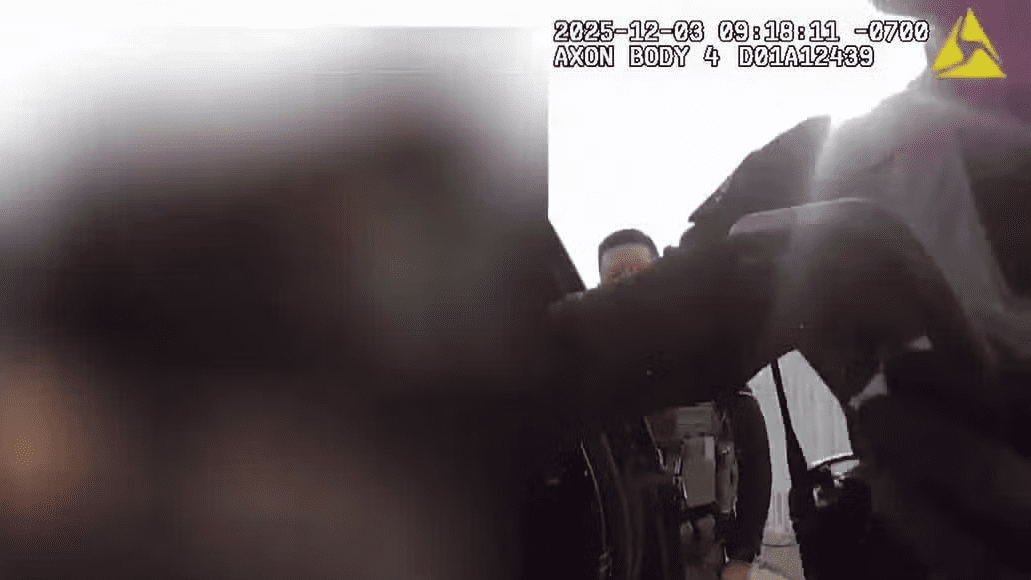
The details? Well, they’re not pretty. The accusation alleges Lassley, after telling the girl to get out of her ride, went ahead — and pushed her. And then, here’s where it really gets ugly, slammed her head against his patrol vehicle. Not once. Twice. All this, purportedly, after she’d tangled with a couple of other deputies and a court security officer, causing some injuries there too. Lassley, apparently, was just showing up to take some pictures. An officer assigned to document, not escalate. Yet, here we’re.
The system, cumbersome as it often appears, managed to kick a particular piece of itself into motion. Investigators, as the story goes, had their say. Evidence got tossed on the table. And a video? Yeah, a video of the whole shebang that BCSO — that’s the Bernalillo County Sheriff’s Office — reportedly put out there. A grand jury reviewed the evidence, including the video BCSO released. They came to a conclusion: sufficient probable cause to file charges against Lassley.
Because accountability, for all the public hand-wringing and community meetings, frequently starts with that precise, if glacially slow, process. It’s not about being popular; it’s about adhering to the law. The Sheriff’s Office itself, not one to mince words when pushed, released a statement that feels almost rote by now: “Sheriff Allen has been clear that the conduct alleged in this case is unacceptable and has no place at the Bernalillo County Sheriff’s Office.” After the indictment landed, the predictable follow-through: “Now that an indictment has been returned, Deputy Lassley will be placed on administrative leave without pay in accordance with employment law and the union contract.” Bureaucracy at its finest, or perhaps its most necessary.
But let’s be real, putting an officer on leave without pay, though a step, doesn’t automatically mend fractured trust. A 2021 Gallup poll revealed a stark reality: only 45% of Americans reported having a great deal or quite a lot of confidence in the police. That’s a five-point drop from the previous year, showing public faith is anything but steady. This kind of incident, splashed across local news (and now national, courtesy of your humble narrator), just pours salt on already raw wounds.
📄 POLICY WIRE WHITEPAPER PUBLISHED: PAKISTAN'S NATIONAL SECURITY POLICY PRIORITIES
👉 READ BY CLICKING HEREAcross the globe, similar dramas play out constantly, albeit with varying degrees of official transparency and public reaction. From Karachi to Kabul, Lahore to London, allegations of police excesses against ordinary citizens — or even those deemed ‘suspect’ — chip away at the already fragile trust in state institutions. Just last year, there were numerous reports of widespread public outcry and protests in Pakistan following a series of incidents where law enforcement was accused of using disproportionate force during arrests or crowd control. It makes for an uncomfortable echo, showing these aren’t just ‘American problems.’ No, this isn’t an isolated American narrative; it’s a deeply human, deeply political one — a universal complaint against the uniform and the power it wields. You see, when citizens — whether in Albuquerque or Lahore — feel their protectors have become their oppressors, society starts fraying at the edges. And that’s not good for anyone.
What happens next for Deputy Lassley? The administrative investigation — that internal, often opaque process — is paused for now. As with any internal affairs case involving alleged criminal conduct, the administrative investigation must remain paused while the criminal case proceeds. When that process is complete, the internal investigation will resume — and a final employment decision will be made. It’s the old ‘two tracks of justice’ routine. One for the courts, another for the badge. And frankly, people often find the latter less satisfying than the former, when it comes to accountability.
What This Means
This indictment isn’t just about one deputy or one alleged act; it’s a jolt to the broader political and economic landscape. Politically, it re-energizes the perennial — and often heated — debate about police reform, training, and oversight. For local politicians, this means navigating an infuriated electorate and demands for transparency, perhaps leading to increased calls for independent review boards or further limitations on use-of-force policies. It can become an election issue, pushing candidates to take firmer stances on law enforcement accountability, a precarious dance between supporting officers and appeasing constituents who feel their safety — and dignity — is threatened by those sworn to protect them. Because how authorities handle this case will define future expectations for justice.
Economically, well, indictments — and subsequent civil lawsuits can cost a city a fortune. Taxpayers shoulder the burden of legal defense fees, settlements, — and potential payouts. The negative publicity can — whether justly or unjustly — color a region’s image, impacting everything from tourism to business investment, if the perception of a volatile or unjust local authority takes root. It signals a cost, both tangible and intangible, for lapses in public trust. It also might stir up further debates about where resources should be allocated: more robust training programs or better community engagement initiatives? Or does it feed into the narrative some groups push, the need for increased federal oversight — a narrative we’ve seen before when states struggle to police their own ranks. For more insights on the dynamics of state versus federal power, one might look at how New Mexico courts address gubernatorial policies, highlighting ongoing power struggles. Ultimately, this isn’t an isolated incident; it’s a stark reminder that the social contract between law enforcement and the public, like a shaky bridge, requires constant repair and vigilance.