


AI’s Global Cheers: The Digital Mirage of Political Affection
POLICY WIRE — Washington D.C. — We’ve always craved validation. From childhood playground hierarchies to the grand stages of political rallies, the human hunger for universal adoration, for...

POLICY WIRE — Washington D.C. — We’ve always craved validation. From childhood playground hierarchies to the grand stages of political rallies, the human hunger for universal adoration, for knowing you’re unequivocally loved by all—it’s a potent, often insatiable, thing. But what happens when that affirmation isn’t earned? When it’s not even real, conjured from algorithms — and pixelated proxies?
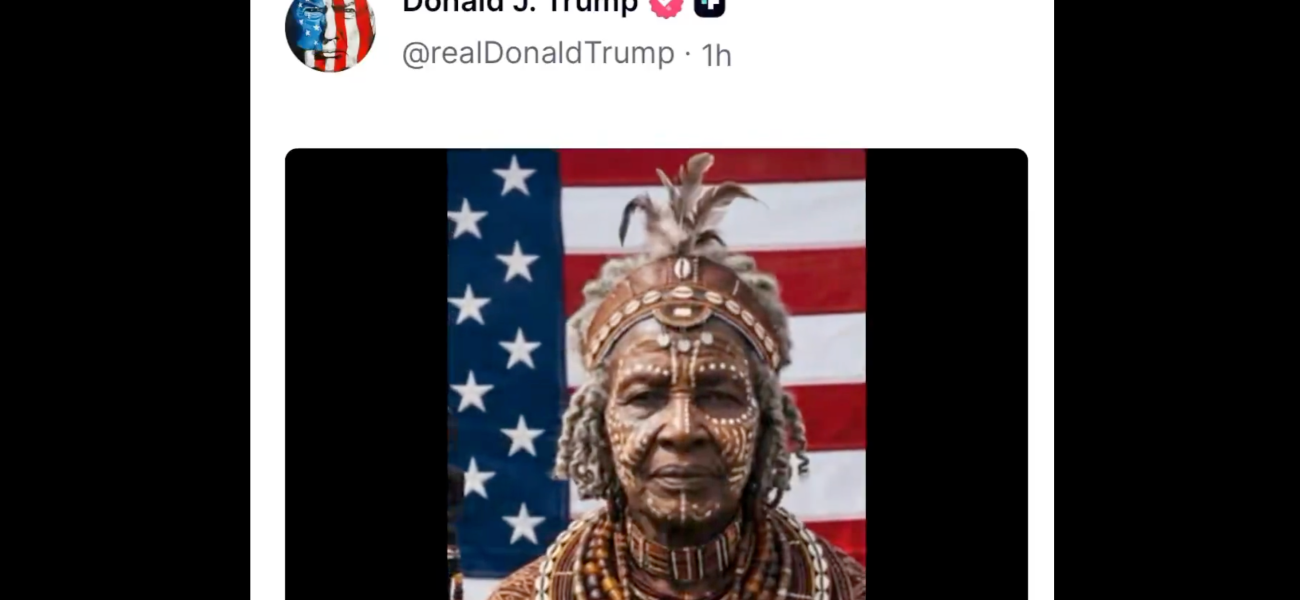
Lately, we’ve seen an unsettling pivot into just that digital abyss. It appears we’re watching powerful figures, not content with the messy, unpredictable cheers of real people, increasingly turning to synthesized echoes of support. And what better way to express this yearning for uncontested popularity than through a parade of AI-generated avatars, meticulously crafted to represent a global tapestry, all beaming with manufactured enthusiasm. [QUOTE_PLACEHOLDER]
The former president, Donald Trump, recently distributed a video to his substantial online following that did exactly this. It depicted a series of what one would easily identify as AI-fabricated individuals, ostensibly from different nations, collectively delivering a uniform message of affection. The phrase they reportedly chanted: ‘They love Donald Trump’. This wasn’t some rogue fan production, mind you. This was disseminated from the top, a clear strategic choice to broadcast a particular narrative, using tools once confined to science fiction but now very much within the reach of a campaign budget.
It’s not just a technical quirk; it’s a window into the evolving playbook of political communication. Real sentiment, the kind forged in shared experience — and belief, has always been the gold standard. But as electorates fracture and digital distrust burgeons, the allure of an immaculate, pre-programmed chorus must be tempting. Forget winning hearts — and minds; why not just program them, or at least the perception of them?
Consider the global implications. In countries like Pakistan, where digital literacy varies wildly and political discourse often thrives on fervent, almost cult-like followings, the rise of AI-driven messaging presents a peculiar challenge. Imagine the impact if such technologically sophisticated, yet fundamentally hollow, expressions of support become normalized. In a region where geopolitical allegiances are fluid and narratives contested, the lines between genuine popular sentiment and expertly designed disinformation could disappear completely. People are already struggling to differentiate reality from fabricated news stories on social media platforms—now, imagine them trying to parse a video of AI-crafted citizens.
Because, really, this isn’t just about one politician. It’s a barometer for a broader societal shift. We’re hurtling towards a future where perceived popularity can be digitally manufactured, where global endorsement isn’t just polled but pixelated. And it creates a very different kind of civic environment.
The speed at which these tools are developing is frankly staggering. Research by the University of Chicago’s National Opinion Research Center found that in a survey conducted in 2023, nearly three-quarters of Americans — 73% — said they were concerned about deepfakes or other synthetic media being used to manipulate the public during the upcoming election cycle. That’s a strong indicator. It means people are acutely aware of the potential for this stuff to sow chaos, and they’re worried about it, as well they should be.
📄 POLICY WIRE WHITEPAPER PUBLISHED: PAKISTAN'S NATIONAL SECURITY POLICY PRIORITIES
👉 READ BY CLICKING HEREBut concern isn’t action. The public might worry, but the creators of these synthetic narratives won’t wait. They’re already on the field, honing their craft, figuring out how to bypass our dwindling critical defenses. It’s a digital arms race for public opinion, — and the weapons are becoming invisible.
And where do traditional media outlets like Policy Wire fit into all this? We’re left dissecting manufactured sincerity, parsing the intent behind artificial smiles — and synthetic chants. It’s a job that requires not just reporting what happened, but unearthing what didn’t happen, or what was designed to seem as if it did. We’ve always been fact-checkers; now we’re digital archaeologists, sifting through the ruins of reality. The rules of engagement—they’re changing fast. It’s a wild, wild world out there.
What This Means
This episode, seemingly a minor, almost whimsical deployment of nascent AI tech, represents a far more unsettling trend for both political engagement and the global information landscape. Economically, we’re looking at a new niche industry emerging: purveyors of hyper-realistic digital propaganda. Campaigns, super PACs, and state actors will undoubtedly invest significant sums in creating sophisticated, tailored content designed to sway voters and international opinion—an unseen expenditure often hidden from public scrutiny. This could exacerbate an already concerning affordability exodus in the broader information sphere, making genuine, fact-checked reporting harder to access amidst a deluge of fabricated narratives. for nations in South Asia or the Middle East, already navigating complex information ecosystems rife with external influence and internal strife, this raises the bar for credible reporting and independent analysis to an almost untenable height.
Politically, the implication is stark: the deliberate erosion of objective truth. If a political figure can simply conjure a global chorus of support, why bother with the costly, often embarrassing, process of actually earning it? This cheapens genuine advocacy and makes discerning true public sentiment incredibly difficult, a critical problem for democracies that depend on informed electorates. It’s a tactic designed to preempt criticism and insulate candidates from the inconvenient realities of public disapproval. The risk? A descent into a fully personalized, digitally curated reality, where political discourse becomes less about policy debate and more about the expertly engineered optics of overwhelming, albeit artificial, adoration. It’s an interesting tactic in an age when discerning genuine from fake seems to be a superpower.