

Undav’s Unexpected Ascent: Stuttgart’s Comeback Kid Rewrites the Script
POLICY WIRE — Berlin, Germany — A curious phenomenon continues to captivate the collective imagination: the late bloomer, the unheralded individual who, against all expectations, carves out a...

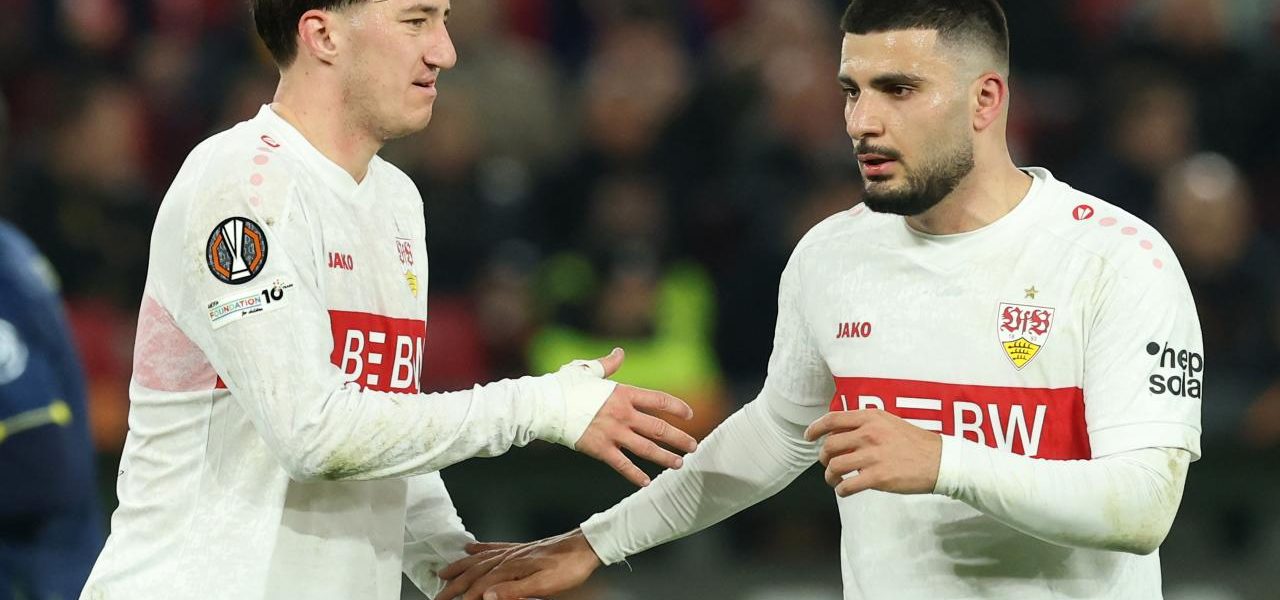
POLICY WIRE — Berlin, Germany — A curious phenomenon continues to captivate the collective imagination: the late bloomer, the unheralded individual who, against all expectations, carves out a narrative of singular brilliance. Such is the rather inconvenient truth for the well-oiled machinery of prediction, where Deniz Undav—a name you didn’t much hear just a year ago—has managed to snag the coveted Player of the Season crown for VfB Stuttgart. It wasn’t the preordained triumph of a megastar, but the gritty rise of someone proving their mettle when it counts.
It’s almost comedic, really. Just last season, according to the annual voting process by Bulinews’ team of writers, the now 29-year-old striker didn’t get any votes. His peer, Nick Woltemade, was top dog then. Funny, that. How quickly the shifting sands of fortune — and the hard currency of goals — can redefine a legacy, or start one. This isn’t just about Stuttgart finding themselves back in the Champions League, despite managing to win only one of their last five games—talk about coasting on past glories, eh? It’s about the sheer audacity of an individual breaking through the noise. [QUOTE_PLACEHOLDER]
Undav wasn’t exactly an overnight sensation this term. He had to miss four games due to a knee injury, which ain’t no picnic for any professional athlete. Starting slowly, it wasn’t until matchday 8 that he truly started pulling his weight, scoring the winner against Mainz. But then, as often happens when confidence takes hold, the floodgates opened. November became his personal highlight reel, as he scored six of Stuttgart’s eight goals. And who can forget his first-ever hat-trick at MHP Arena in the 3-3 draw with Borussia Dortmund, including that dramatic 91st-minute equalizer? All his goals in that standout performance came after the break. You gotta respect that kind of late-game heroics.
During the season’s back half, he managed to break his personal streak with goals in six successive Bundesliga fixtures. That’s consistency, pure and simple. His career-high 19 goals puts him in rather elite company, a stark reminder of his impactful presence on the pitch. To put it in perspective, that number was only bettered by Harry Kane (36) in Bundesliga, who many would consider a titan of the game. And here’s a kicker: if you exclude penalties, which is something he’s yet to take in Stuttgart, the gap between Kane and Undav will drop to only seven. It just shows you how efficiently this man operated. But it’s not all about the main act; Julian Nagelsmann’s World Cup squad also includes Angelo Stiller, the 25-year-old central midfielder who snagged the remaining two votes from Bulinews writers, playing every Bundesliga game save for four bench appearances. He’s the quiet architect behind the storm, keeping things ticking.
The tale of Undav isn’t just a German football story. It’s a reminder of the global nature of talent and opportunity, and how, in the competitive marketplaces of Europe, individual brilliance, regardless of origin, finds its reward. Fans from Istanbul to Karachi—where passion for European football burns with an almost religious intensity—devour these narratives. They see in these players not just athletes, but symbols of ambition. Beyond the glitz, this player’s ascendance is a micro-economic parable, a stark example of value generation in the sporting complex. His extension of his contract until 2029 before joining Germany’s squad for the World Cup is a practical, capitalistic maneuver—securing his market value at its zenith.
📄 POLICY WIRE WHITEPAPER PUBLISHED: PAKISTAN'S NATIONAL SECURITY POLICY PRIORITIES
👉 READ BY CLICKING HEREWhat This Means
The ascendancy of a player like Deniz Undav—a relative unknown transforming into a critical asset—carries potent implications beyond the pitch. Politically, in a nation wrestling with integration narratives, a German international with roots that resonate with diverse communities represents a powerful, if unspoken, statement about national identity. He embodies a modern Germany, multifold — and meritocratic, where individual contribution trumps previous obscurity. It’s a quieter form of diplomacy, perhaps, but a genuine one. And it’s not insignificant. When players like Undav excel, their stories reach far corners, influencing perceptions, shaping a softer form of international relations, particularly with populations from the broader Muslim world who track such successes.
Economically, Undav’s journey from being overlooked to commanding an extended contract is a textbook case study in the volatile world of professional sports economics. His improved performance translates directly into tangible commercial value for Stuttgart, both through potential transfer fees, should they ever consider it, and certainly in marketing and brand appeal. It’s not just about ticket sales for the Champions League now; it’s about jersey sales, global broadcast rights, and attracting further talent. That a player can boost a club’s fortunes so dramatically after a period of anonymity highlights the precarious but high-reward dynamics at play. Clubs are constantly betting on human potential, and sometimes, a relatively modest bet—like picking up a player who got zero votes a season prior—pays off with extravagant dividends. This isn’t an isolated incident; it’s a global pattern. The ability to spot such value, to nurture it, and then to monetize it, remains a constant challenge and an unceasing chase for every sports franchise, big or small. Stuttgart just won this particular lottery.